
Niki Martinov
Brand Manager · Image Consultant · Designer · Storyteller shaping brands that connect.
Niki Martinov’s Branding & Marketing Insights Blog
Blog
-

Industry Recap 2024: Key Marketing Shifts and Trends to Watch for in 2025
In 2024, marketing saw rapid evolution due to AI-generated content, brand reinventions, and a resurgence of ad-supported formats. Purpose-driven campaigns gained traction but required authenticity. Looking forward to 2025, trends include AR/VR integration, shoppable social content, and enhanced personalization through AI, necessitating a focus on data privacy and consumer trust.
-
5 Strategies to Make Customers Feel Special
In a competitive market, nurturing customer loyalty is crucial. Strategies to make customers feel like VIPs include personalization, exclusive offers, exceptional service, celebrating milestones, and valuing feedback. These actions create meaningful connections and foster a loyal customer base, ultimately encouraging repeat business and advocacy while maintaining a balance to avoid overwhelming customers.
-

How Purpose-Driven Marketing Influences Consumer Choices
Purpose-driven advertising has become vital as consumers expect brands to advocate for social and environmental causes. Successful examples include campaigns from Nike, Dove, and Patagonia, which create emotional connections and foster brand loyalty. However, authenticity is crucial, as insincerity can lead to backlash. When genuine, this strategy can enhance consumer trust and influence purchasing decisions.
-

Maximizing Black Friday: Strategies to Stand Out in a Competitive Market
Black Friday has transformed into an extended shopping event, blending online and in-store experiences. Brands must adopt innovative strategies like personalization, early teasers, and a seamless omnichannel approach to stand out. Highlighting sustainability and offering additional value beyond discounts can further attract consumers in this competitive landscape.
-
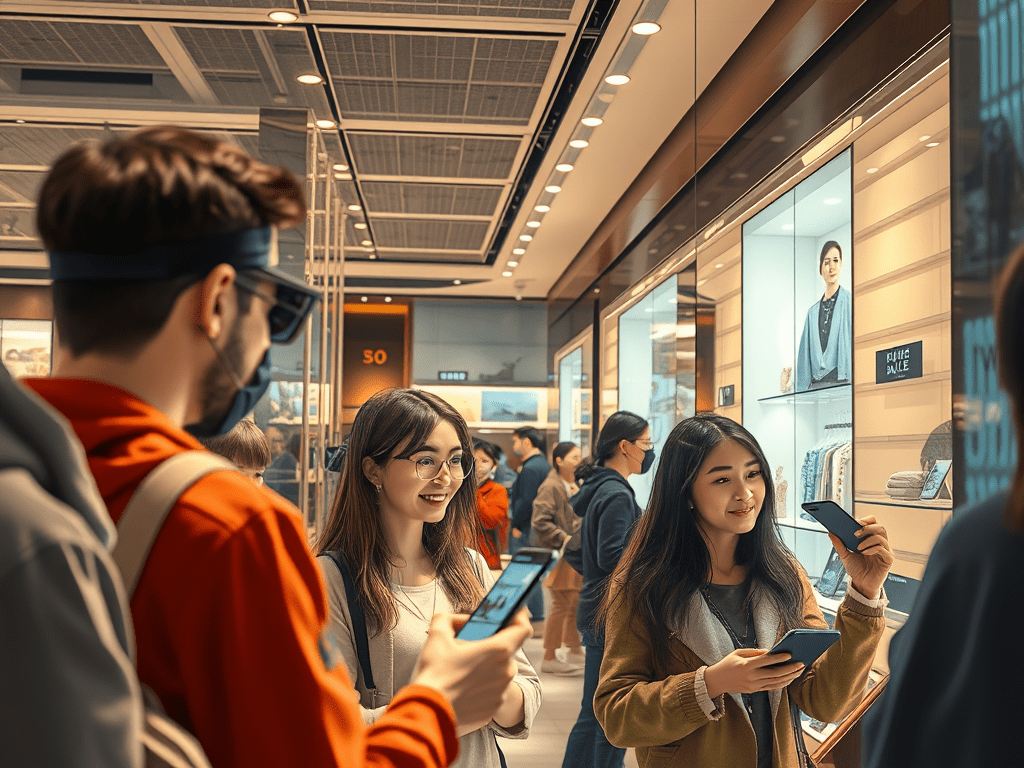
The Future of Customer Experience: Merging Digital and Physical Touchpoints
The evolution of customer experience is characterized by the fusion of digital and physical elements, termed “phygital.” Brands leveraging technologies like AI, AR, and mobile apps can create seamless, personalized interactions that meet consumer expectations. This hybrid approach fosters stronger loyalty and satisfaction, setting brands apart in a competitive market.
-
The Power of One: Why Personalized Marketing is the Future
Personalized marketing is increasingly vital as consumers demand tailored experiences, rejecting generic advertising. This approach, driven by data and technology, enhances customer engagement, boosts conversion rates, and fosters brand loyalty. Companies leveraging AI and CRM systems effectively can create meaningful connections, leading to a more consumer-centric marketing future while ensuring privacy.
-

Embracing Creative Risks: Standing Out in an Overcrowded Marketplace
Brands today face fierce competition in an oversaturated marketplace, necessitating unique strategies to capture consumer attention. Embracing creative risks fosters differentiation and emotional connections, enhancing brand loyalty. Successful examples like Nike and Wendy’s demonstrate that authentic and bold campaigns can lead to significant engagement and sales, provided they align with audience values.
-
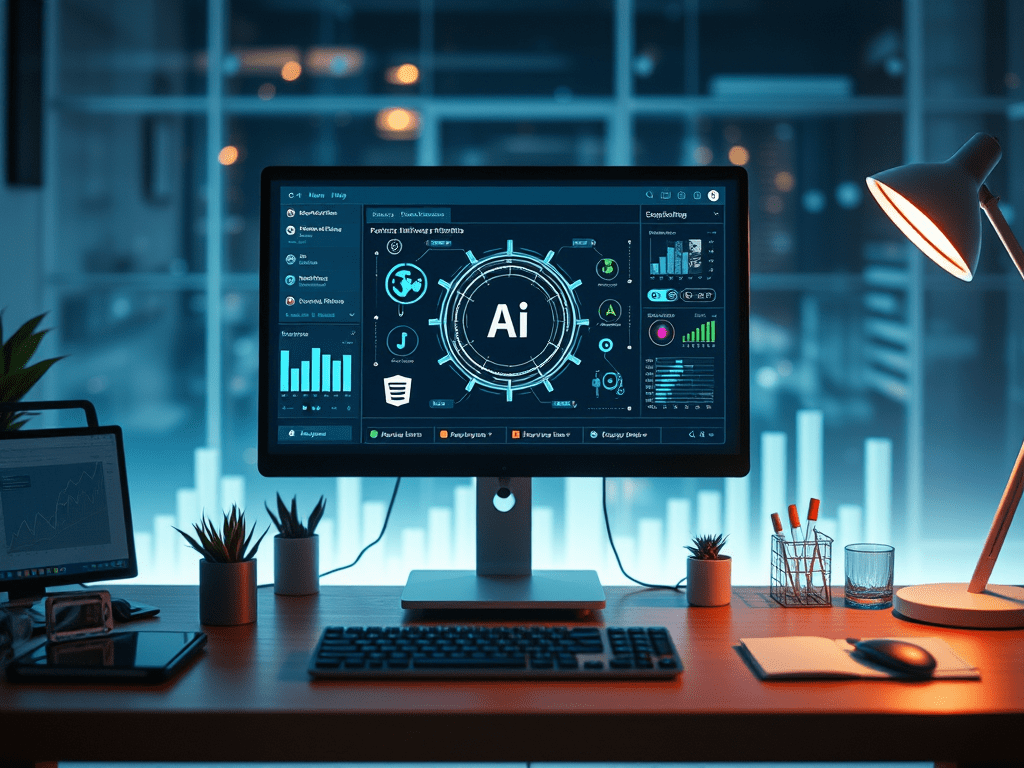
AI’s Impact on Influencer Marketing Ethics
Artificial Intelligence is reshaping influencer marketing by enhancing audience analysis, influencer selection, and campaign management while introducing ethical challenges. Issues like bias, transparency, and privacy must be addressed to ensure responsible AI use. When applied ethically, AI can foster inclusivity and creativity in influencer marketing, benefiting brands and consumers alike.
-

Spooky Marketing Campaigns: How Brands Use Halloween to Boost Engagement
Halloween serves as a vibrant opportunity for brands to engage with audiences through playful and memorable marketing campaigns. By incorporating seasonal themes, companies like KFC and Reese’s leverage limited-time offers and interactive experiences, while emphasizing brand connection and community engagement, ultimately boosting foot traffic, social media engagement, and sales during the festive season.
-
Authentic Personal Branding: The Power of Cultural Identity
In today’s globalized environment, personal branding emphasizes authenticity rooted in cultural identity. By embracing one’s background and experiences, individuals can curate a unique brand that resonates deeply with others. This connection fosters trust and loyalty, allowing for differentiation in a competitive landscape while challenging stereotypes and celebrating diversity.
-

Boost Customer Engagement with Cross-Channel Strategies
Cross-channel marketing integrates a company’s marketing efforts across multiple platforms, enhancing customer engagement and brand consistency. This strategy improves insights into customer behavior and enables real-time engagement, fostering stronger brand loyalty. By coordinating messages and understanding customer journeys, businesses can drive conversions, retain customers, and measure success through key performance indicators.
-
The Resurgence of Ads: How Ad-Supported Streaming is Shaping the Future of Advertising
Streaming services have shifted back to ad-supported models, driven by consumer demand for lower-cost options amidst subscription fatigue and economic pressures. This trend presents opportunities for advertisers to reach engaged audiences through targeted and innovative ads. Ultimately, it creates a balance, benefiting consumers and brands by enhancing affordability and engagement.
-
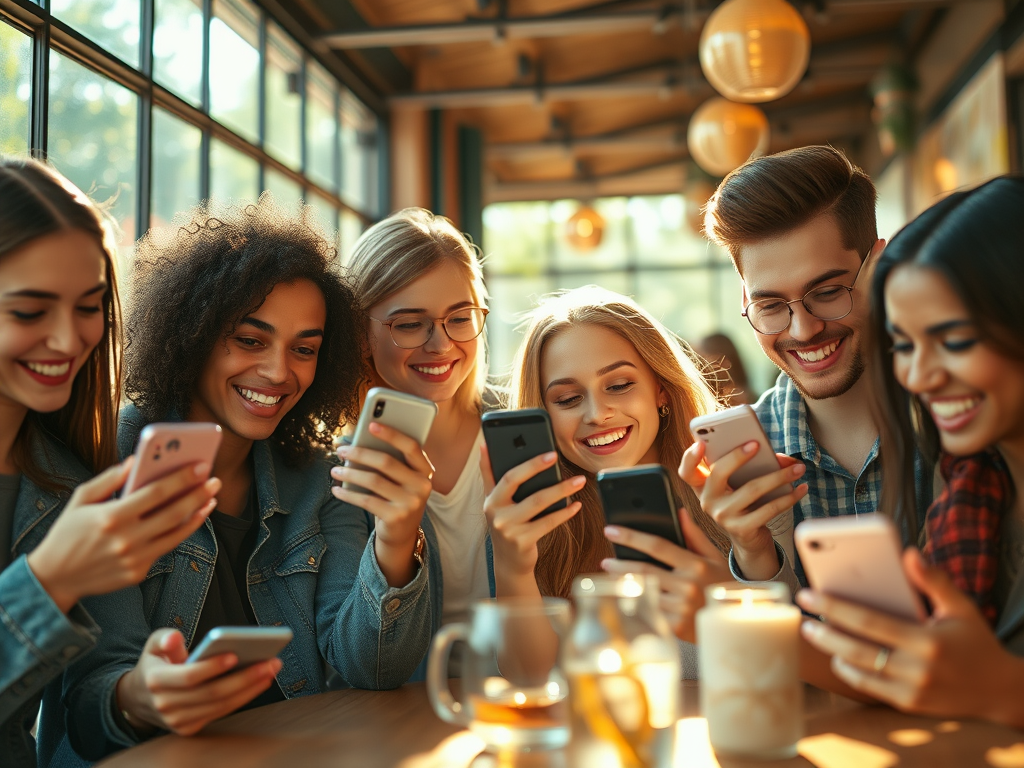
The Influence of Influencers: How Social Media is Shaping Consumer Buying Habits
Social media influencers have become vital in modern marketing, especially during holiday shopping. Research reveals that over half of consumers, particularly Gen Z, trust influencers for product recommendations. Brands increasingly prioritize micro-influencers for their authenticity and engagement. As traditional advertising wanes, influencer marketing is essential for connecting with younger audiences.
-
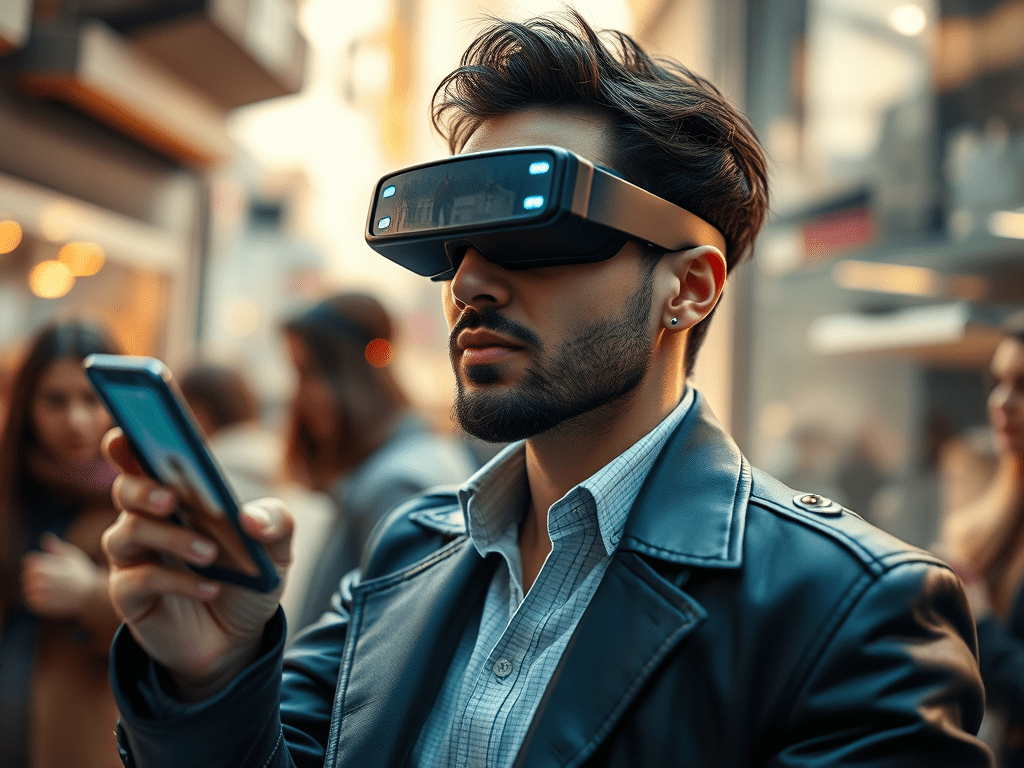
Future Trends: The Convergence of AI, AR, and Influencer Marketing
The marketing landscape is evolving due to AI, AR, and influencer marketing convergence. AI enhances audience targeting and engagement through personalized content, while AR provides immersive product experiences. This combination is reshaping influencer marketing, leading to the rise of virtual influencers and necessitating brands to integrate these technologies for effective consumer interaction.
Subscribe
Enter your email below to receive updates.
Disclaimer: The information provided on this blog is for general informational purposes only. All information on the site is provided in good faith, however we make no representation or warranty of any kind, express or implied, regarding the accuracy, adequacy, validity, reliability, availability or completeness of any information on the site. Under no circumstance shall we have any liability to you for any loss or damage of any kind incurred as a result of the use of the site or reliance on any information provided on the site. Your use of the site and your reliance on any information on the site is solely at your own risk. Always consult a professional for advice.
 Niki Martinov