
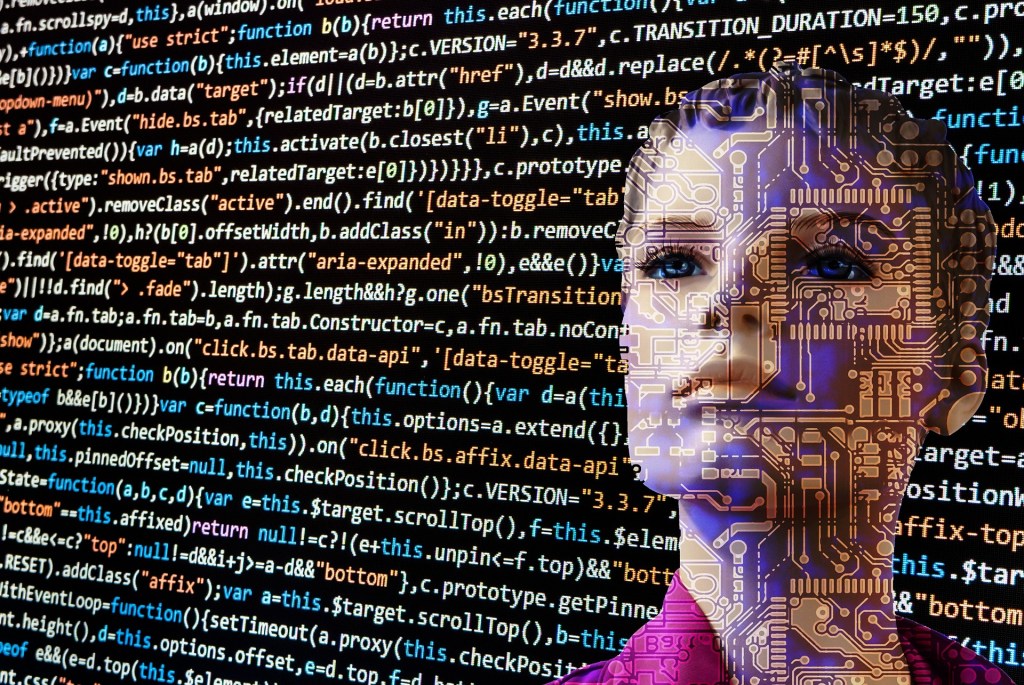
AI has had a significant impact on marketing by providing new and improved ways to reach customers and personalize their experiences. Machine learning, natural language processing (NLP), and computer vision are examples of AI technologies that have transformed the marketing landscape and the way businesses collect, analyze, and use data. AI-powered tools can automate routine tasks like data analysis and customer segmentation, giving marketers more time and resources to focus on more strategic initiatives. Furthermore, AI-powered personalization has enabled brands to create unique and relevant customer journeys, resulting in increased engagement and satisfaction. However, while AI has many benefits in marketing, it also raises ethical concerns about data privacy and the impact of automation on humans.
Artificial Intelligence (AI) has had a profound impact on various industries and the marketing industry is no exception. With the ever-increasing advancements in technology, AI has transformed the way companies approach and execute marketing strategies. Here’s a closer look at the impact of AI on marketing.
- Personalization at Scale: AI-powered technologies allow marketers to personalize their messaging and approach to individual customers on a massive scale. By leveraging big data, AI can help companies understand customer behavior and preferences, leading to better engagement and conversions.
- Automation of Routine Tasks: AI has made it possible to automate many routine marketing tasks, freeing up time for marketers to focus on higher-level tasks. For instance, AI chatbots can handle customer inquiries, freeing up customer service representatives to focus on more complex interactions.
- Predictive Analytics: AI enables marketers to leverage predictive analytics to make informed decisions about customer behavior and preferences. This helps companies to predict customer actions and tailor their marketing efforts accordingly.
- Optimization of Ad Campaigns: AI algorithms can analyze vast amounts of data in real-time and make real-time adjustments to ad campaigns, ensuring that companies get the best return on their marketing investment.
- Improved Customer Experience: AI has the potential to revolutionize the customer experience by enabling companies to provide personalized and relevant experiences. For example, AI-powered virtual assistants can help customers find what they’re looking for and answer their questions in real-time, leading to a better customer experience.
To summarize, AI is transforming the marketing industry and assisting businesses in better understanding and engaging with customers. AI is enabling companies to achieve greater success in their marketing efforts by automating routine tasks, improving the accuracy of predictive analytics, and providing personalized experiences.
 Niki Martinov