
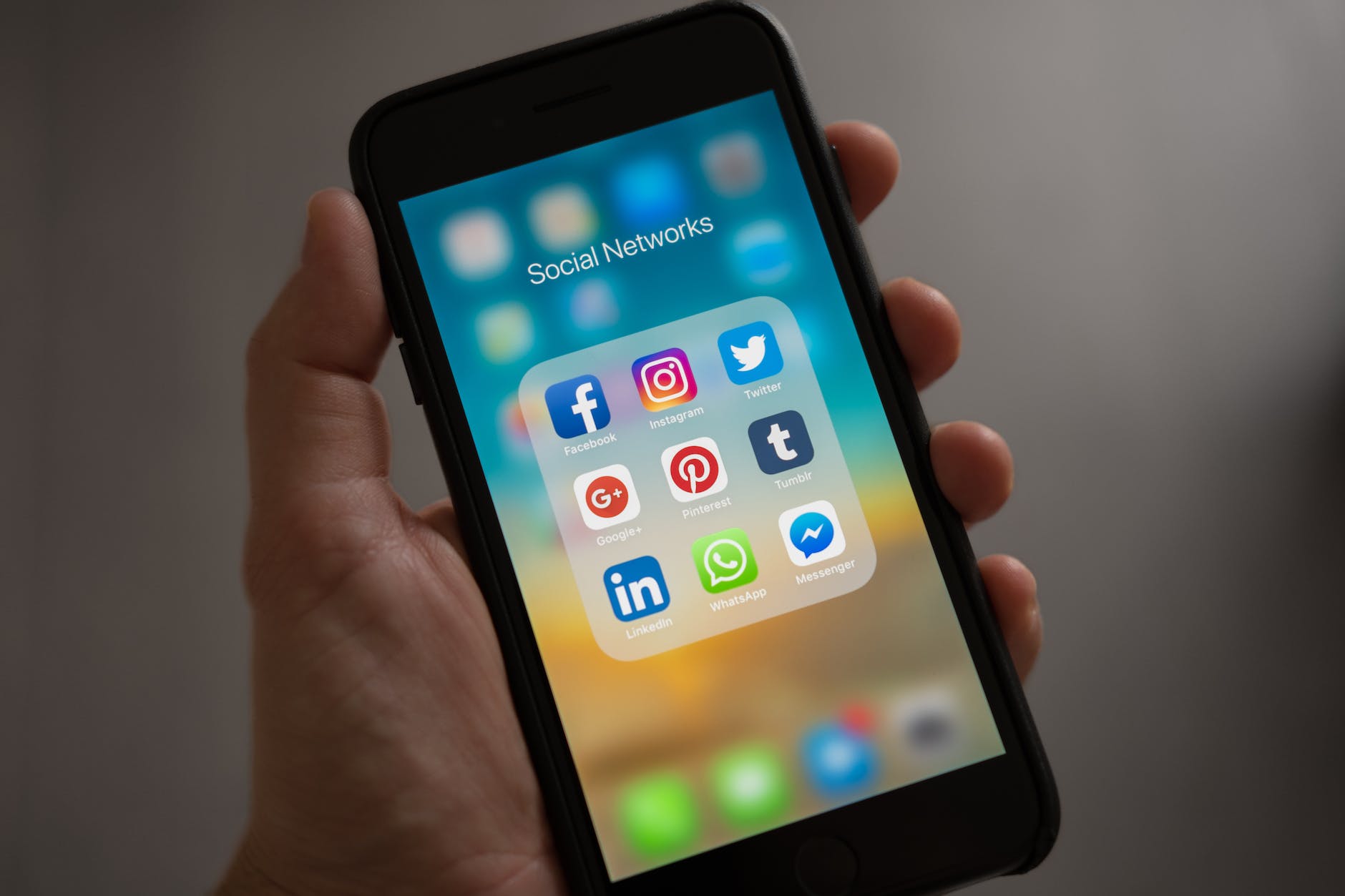
Welcome to the age of mobile apps, where swiping, tapping, and scrolling reign supreme. With smartphones practically glued to our hands, it’s no surprise that in-app advertising has skyrocketed, positioning itself as a gold mine for mobile marketers. But what’s the real scoop on in-app advertising? Let’s dive in!
Most of us do not go a day without engaging with a smartphone app. We’re addicted to checking up on news, tracking fitness, and idly browsing around social media. And, with our aggregate screen time hitting new heights, it’s clear that customers are spending their time on mobile apps.
In-app advertising has completely changed the game. Why? For starters, in-app advertising have greater engagement rates. Because users are already engaged with the app, they are more likely to interact with the advertisement. Marketers may also tailor advertising to certain demographics, behaviors, and even places using precise user data. Not to mention the diversity of ad styles available, ranging from banner and interstitial advertisements to video and native ads.
In-app advertising success isn’t a mystical unicorn; it’s a reality for many firms. Take, for example, Coca-Cola. They executed a campaign through the Waze navigation software, where they placed branded pins at retail locations where their items were sold. What were the outcomes? An improvement in their navigation to their sites of purchase!
However, successful in-app advertising is more than just posting an ad and crossing your fingers. It entails knowing your target demographic, choosing the best ad type, and designing captivating commercials. Don’t underestimate the power of data! Continuously refining your campaign depending on user interactions might make the difference between a sinking or soaring ad.
In-app advertising, like everything else in life, has its obstacles. There is a risk of irritating users and developing ‘ad fatigue.’ Privacy issues and tight data rules can sometimes be stumbling blocks. Then there’s ad fraud and viewability concerns. But don’t worry! These may be controlled with a balanced approach.
Looking ahead, in-app advertising is poised to become much more fascinating. The use of programmatic ad buying is increasing, making the process more efficient. AR and VR are also making waves in the advertising industry, generating immersive commercial experiences. And, as personalisation becomes more important, dynamic creative optimization is gaining traction.
In-app advertising is a potent weapon in the mobile marketer’s toolbox, to sum it up. The advantages outweigh the drawbacks, and with the appropriate strategy, it can really be a gold mine. Are you prepared to succeed with in-app advertising, then?
 Niki Martinov