
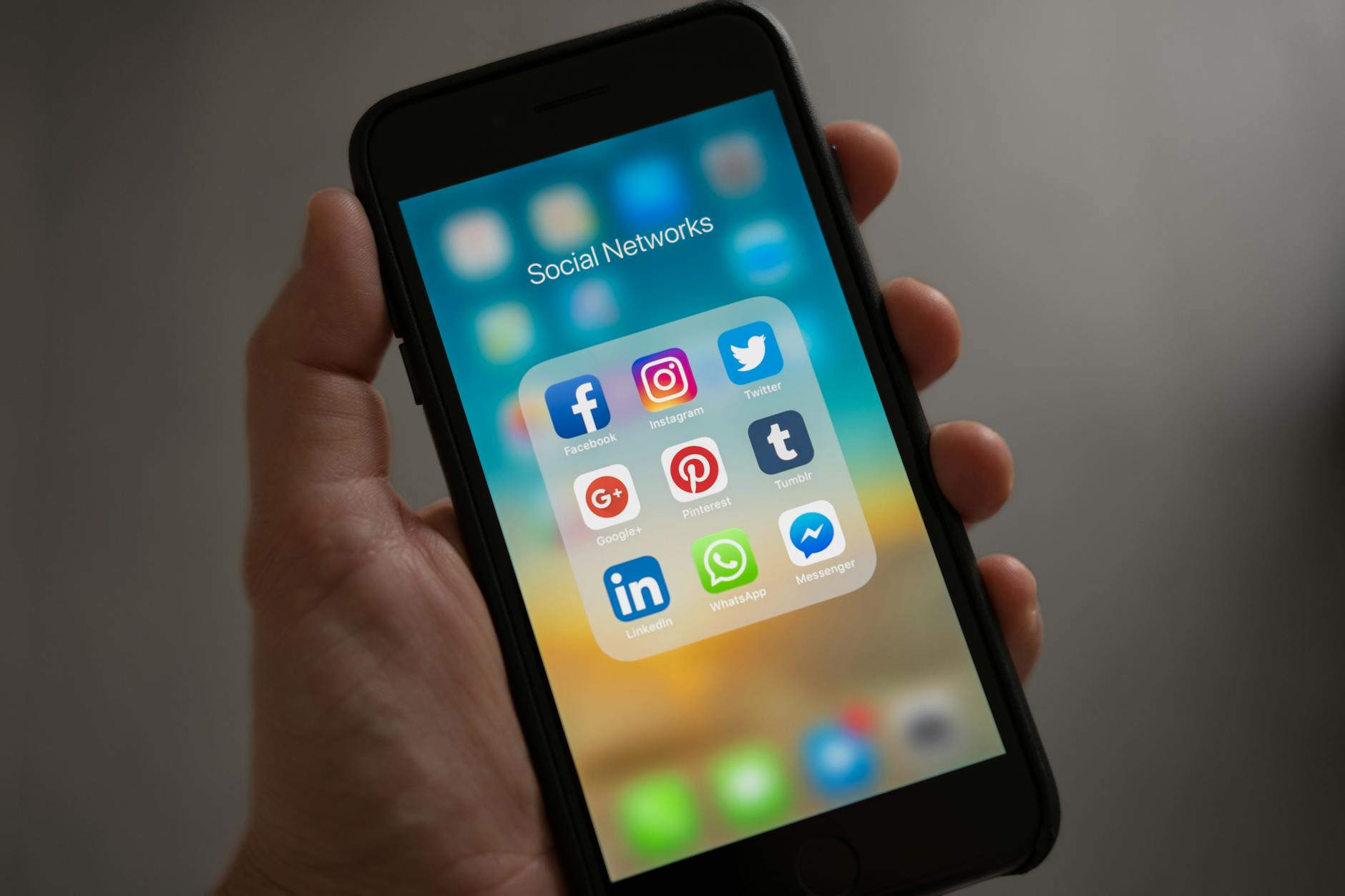
Understanding Multi-Platform Presence
In today’s digitally-driven landscape, having a strong personal brand is essential, especially if you’re an entrepreneur, freelancer, or creator seeking to stand out in your field. A multi-platform strategy ensures you reach the right audience, build a loyal following, and showcase the full range of your expertise across various channels. This guide explores how to craft a cohesive personal branding strategy that leverages multiple platforms effectively.
It’s not about being everywhere, but being present strategically. The goal is to create touchpoints where your ideal audience already spends their time. This could include a mix of social media platforms, your website, professional networking sites, or even niche forums related to your industry.
Key Steps for Creating Your Strategy:
- Define Your Core Brand: Before you choose platforms, get clear on:
- Your niche and areas of expertise
- Target audience – who do you serve and where do they gather online?
- Brand personality – how do you communicate (formal, playful, etc.)?
- Visual identity – fonts, colors, image style that represent you
- Choose the Right Platforms: Consider these factors:
- Audience demographics: Does the platform match your target audience’s age, interests, and online habits?
- Content styles: Is the platform suited to your strengths (writing, visual, video, etc.)?
- Your bandwidth: Prioritize 2-3 platforms you can consistently engage with in meaningful ways.
- Content Pillars: These are the 3-5 broad themes your content is built around. They should relate to your expertise and be of interest to your audience. Example: A freelance writer might choose pillars like: Copywriting Tips, Productivity Tools, The Freelancer Lifestyle.
- Consistency with a Twist: Your core message and visual brand elements should be recognizable across platforms. However, tailor content and tone to suit each platform’s norms. What goes viral on TikTok won’t have the same impact on LinkedIn.
- Cross-Promotion: Subtly guide your audience between your platforms. Mention your insightful Twitter threads during a longer-form YouTube video. Link relevant blog posts in your Instagram bio.
Platform-Specific Tips
- LinkedIn: Focus on networking, sharing industry insights, and establishing thought leadership.
- Instagram: Visuals matter most. Use Stories and Reels to offer behind-the-scenes glimpses that build connection.
- Twitter / X & Threads: Great for quick updates, contributing to conversations, and showcasing your humor (if it fits your brand).
- YouTube: If you’re comfortable on camera, this allows for in-depth tutorials or demonstrating your expertise in action.
- Don’t Forget Your Website: This is your owned hub, where you have full control over your narrative and can capture leads.
Analyze and Adapt
Regularly track analytics on each platform. What types of content get the most engagement? Which platforms drive traffic back to your website or lead to inquiries? Data helps you refine your strategy, identifying where to double your efforts and where to cut back.
Example: The Multi-Faceted Brand
Consider a freelance graphic designer. They have a polished website showcasing their portfolio, a LinkedIn presence highlighting testimonials and project highlights, and an Instagram showcasing their creative process with visually stunning posts. This multi-platform approach attracts clients with various needs and shows multiple sides of their expertise.
Remember: It’s an Ongoing Evolution
The specific relevant content for this request, if necessary, delimited with characters: Your personal brand will grow and evolve alongside your career. Revisit your strategy regularly, adapt to new platforms that emerge, and be open to experimentation. A strong multi-platform personal branding strategy positions you for long-term success and allows you to authentically connect with your ideal audience wherever they are online.
Building and nurturing a personal brand is an ongoing journey that demands continuous attention and intentional effort. As you journey through your career, your personal brand will naturally transform in response to your evolving experiences, skills, and achievements. It’s crucial to periodically reassess your branding strategy, ensuring it aligns with your current professional goals and the rapidly evolving digital landscape.
The emergence of new platforms and technological innovations presents both challenges and opportunities for personal branding. Staying abreast of these changes and adapting your approach accordingly can significantly enhance your visibility and influence. Embracing a multi-platform strategy not only broadens your reach but also enables you to engage authentically with diverse audiences across various online spaces. This adaptability is key to establishing a lasting and impactful presence in the digital realm.
Embracing the spirit of experimentation can be a powerful catalyst for growth within your personal brand. By being open to trying new methods, content formats, and communication styles, you can uncover fresh ways to connect with your audience and differentiate yourself from others in your field. This willingness to innovate and take calculated risks can set you apart as a dynamic and forward-thinking figure in your industry, fostering deeper connections with your ideal audience.
In essence, cultivating a resilient and dynamic personal brand requires regular reflection, flexibility, and a steadfast commitment to authenticity. By persistently refining your strategy and embracing the potential of emerging platforms, you position yourself for sustained success in a digitally interconnected world.
Let’s keep the conversation going! What are your biggest challenges with multi-platform branding? Share them in the comments!
 Niki Martinov
Leave a comment