
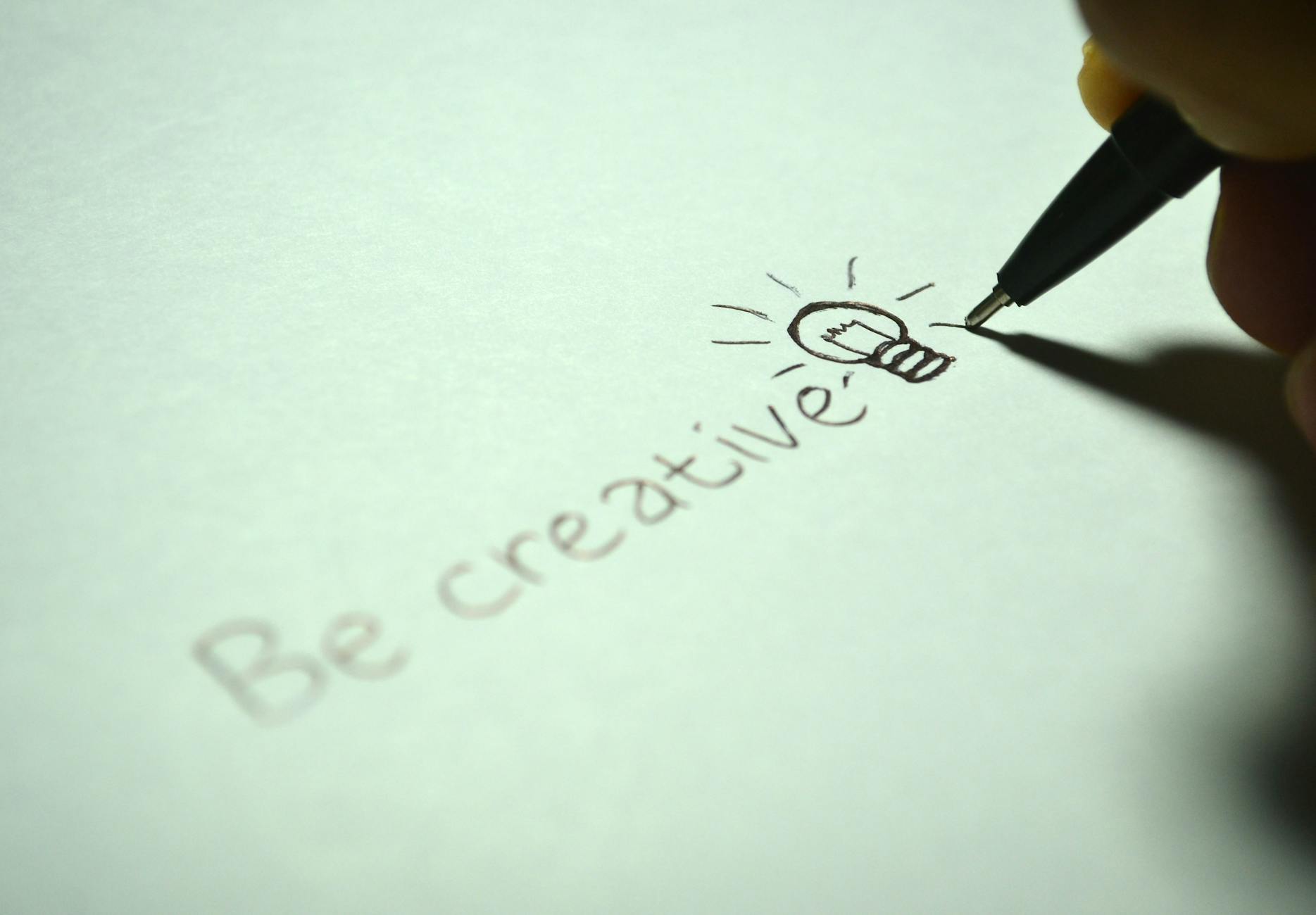
As artificial intelligence (AI) continues to make strides in various fields, its foray into the realm of creativity has sparked a compelling debate: Can machines replace human creatives? From generating art and music to writing stories and crafting marketing campaigns, AI’s capabilities are expanding into traditionally human-dominated domains. This development raises profound questions about the nature of creativity and the role of AI in creative industries.
Understanding Creative AI
Creative AI, also known as computational creativity, is an area of artificial intelligence research that focuses on the development of algorithms and systems capable of generating creative outputs. This field encompasses a wide range of applications, from music composition and visual art generation to poetry writing and creative ad content optimization. One of the most prominent examples of creative AI is OpenAI’s GPT-3, a language model that has gained widespread attention for its ability to produce human-like text across a variety of domains. GPT-3 has been used to create news articles, stories, and poetry, often blurring the line between machine-generated and human-generated content.
In the realm of visual art, AI-driven platforms like DALL-E have demonstrated remarkable capabilities in generating original artworks based on textual prompts. These systems showcase a level of creativity and understanding that challenges traditional notions of artistic creation, offering new possibilities for collaboration between humans and machines. As creative AI continues to advance, it opens up exciting opportunities for innovation in fields where creativity is paramount, offering new tools and perspectives for artists, writers, and marketers alike.
The Mechanisms Behind AI Creativity
At the heart of creative AI are algorithms designed to learn from vast datasets—collections of music, art, literature, or design elements—that they use to generate new creations. These AI systems use techniques such as pattern recognition, anomaly detection, and generative adversarial networks (GANs) where two AI models work in tandem; one creates and the other evaluates and guides the creation process. This iterative process allows AI to refine its outputs continually, leading to surprisingly sophisticated and unexpected creative works.
AI and Human Creativity: Collaboration or Competition?
The debate often centers around whether AI will replace human creatives. However, a more nuanced view considers how AI might augment human creativity. In many cases, AI acts as a tool that expands the creative possibilities available to human artists, writers, and designers. For instance, filmmakers use AI to generate realistic visual effects, and architects harness AI to explore complex designs that would be time-consuming and difficult to calculate manually.
However, the potential for AI to function autonomously in creative endeavors cannot be dismissed. In industries such as advertising, AI has begun to create content independently, from drafting promotional text to developing entire marketing campaigns based on target audience data. These developments suggest a future where AI could take on more standalone roles in creative processes.
The Unique Value of Human Creativity
Despite AI’s advancements, human creativity incorporates elements that are profoundly challenging for machines to replicate. Creativity is not just the generation of new ideas but also the emotional and cultural resonance that these ideas have with human audiences. Human creatives bring personal experiences, emotions, and subjective insights into their work—nuances that are deeply rooted in the human condition.
Furthermore, creativity often involves crossing boundaries between domains or thinking metaphorically—areas where human minds excel. While AI can mimic certain patterns of thought, the spontaneous and often irrational leaps that characterize much of human creativity are difficult to encode in algorithms.
Ethical and Practical Considerations
As AI becomes more prevalent in creative fields, several ethical and practical considerations emerge. Intellectual property rights, for instance, become complex when AI creates art or music. Determining ownership and copyright in AI-generated works is an ongoing legal challenge. Moreover, there is the risk of homogenization in creativity, as AI tools might end up creating echo chambers, continuously recycling and refining existing ideas rather than coming up with truly novel concepts.
Conclusion
While AI can certainly augment and perhaps in some cases replace certain functions traditionally performed by human creatives, it is unlikely to completely replace human creativity. AI lacks the depth of emotional and subjective experiences that shape human creative output. Instead, the future likely holds a new landscape where human and machine collaborate, each bringing their strengths to the table. Creative professionals who learn to harness AI’s capabilities while injecting their unique human perspectives will continue to lead the way, exploring new frontiers of what creativity can accomplish. As we navigate this evolving creative paradigm, the relationship between human ingenuity and artificial intelligence will undoubtedly redefine the boundaries of what is possible in art, literature, music, and beyond.
 Niki Martinov
Leave a comment