
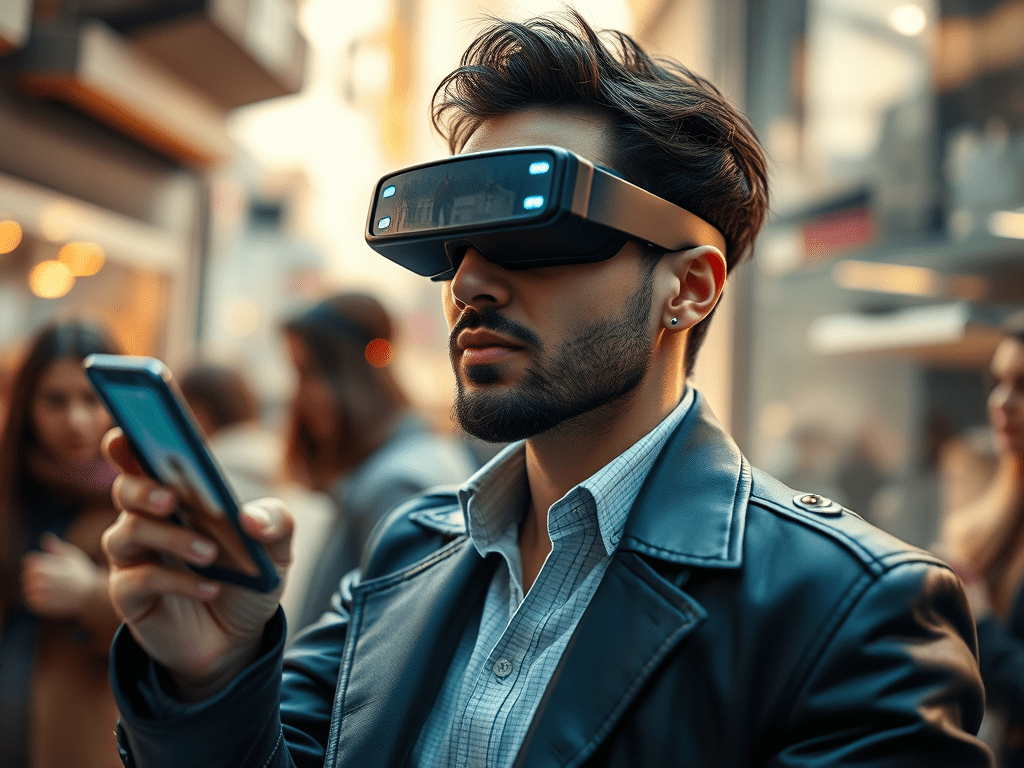
The marketing landscape is undergoing a profound transformation, propelled by rapid technological advancements and evolving consumer behaviors. Among the most significant developments is the convergence of Artificial Intelligence (AI), Augmented Reality (AR), and influencer marketing. These three elements are collectively shaping a future where marketing becomes increasingly personalized, immersive, and impactful, establishing new paradigms of audience interaction and brand loyalty. This analysis explores how these technologies are reshaping the influencer marketing ecosystem and the emerging trends poised to define the industry in the years ahead.
AI: Powering Data-Driven Personalization
Artificial Intelligence has made substantial inroads in the domain of influencer marketing by facilitating precise audience targeting and optimizing campaign effectiveness. Influencers are increasingly deploying AI-driven tools to dissect follower preferences, predict content resonance, and generate insights that enhance engagement. One of the most compelling advancements in AI is its ability to create hyper-personalized content, enabling brands and influencers to tailor messages to the distinct needs of niche audience segments.
Moreover, AI has revolutionized influencer selection processes. Brands are now leveraging AI-powered analytics platforms to identify influencers whose audience demographics align closely with their target markets, thereby ensuring partnerships that are both genuine and strategically sound. This data-centric approach minimizes the guesswork associated with influencer collaborations, optimizing resource allocation and maximizing the impact of marketing investments.
AR: Immersive Experiences that Drive Engagement
Augmented Reality has introduced a novel dimension to influencer-audience engagement, offering immersive experiences that elevate product interactions. With AR, influencers can provide followers with opportunities to virtually try on products such as makeup, fashion, or accessories, bridging the gap between imagination and experience. Rather than visualizing how a product might look or function, followers can now witness it in real time, using their devices with the aid of AR filters.
Platforms such as Instagram and Snapchat have already integrated AR features that allow users to interact with branded filters and virtual products. Influencers employing AR are thus able to create unique, engaging content that significantly amplifies interaction rates. Consider an influencer hosting a virtual meet-and-greet in an AR environment or offering followers an AR-assisted walkthrough of a branded event—such immersive experiences transform passive viewers into active participants, enhancing both brand engagement and loyalty.
The Convergence: A New Era of Influencer Marketing
The intersection of AI and AR within influencer marketing is set to redefine how audiences interact with content. AI-driven personalization, combined with AR-fueled immersion, fosters a marketing environment that is both highly interactive and uniquely tailored to individual preferences. Influencers, equipped with AI-derived insights, can harness AR to create experiences that resonate on a personal level, fundamentally transforming the way brands connect with their audiences.
For instance, an influencer promoting a skincare product could utilize AI to identify followers with an interest in skincare, subsequently employing AR to allow these followers to virtually try the product. This seamless integration of data analytics and experiential engagement eliminates barriers to purchase while creating a compelling narrative that resonates deeply with potential consumers.
The Rise of Virtual Influencers
A notable trend emerging from the convergence of AI and AR is the rise of virtual influencers—AI-generated personas that engage audiences in ways similar to human influencers. These digital characters, often augmented with AR capabilities, create a mixed-reality environment that fosters unprecedented levels of interaction. Increasingly, brands are leveraging virtual influencers for marketing campaigns due to their controllability, consistency, and immunity to reputational risks. Virtual influencers are available 24/7 to engage audiences, providing a reliable and scalable alternative to traditional influencer models.
Implications for Brands and Influencers
The integration of AI, AR, and influencer marketing equips brands with an unparalleled arsenal for driving engagement and cultivating deeper, more meaningful consumer connections. Influencers who adopt these technologies are poised to lead the evolution of the industry, crafting memorable and impactful experiences that go beyond traditional content delivery. The ability to provide hyper-personalized, immersive experiences will become the distinguishing factor for successful campaigns, separating them from those that fail to stand out amid the digital noise.
For brands, investing in these convergent technologies is crucial to staying ahead in the rapidly evolving influencer marketing landscape. The future will favor those who can seamlessly blend personalization, immersion, and authenticity, thereby setting a new benchmark for consumer engagement and redefining how audiences connect with brands in an increasingly digital world.
 Niki Martinov