
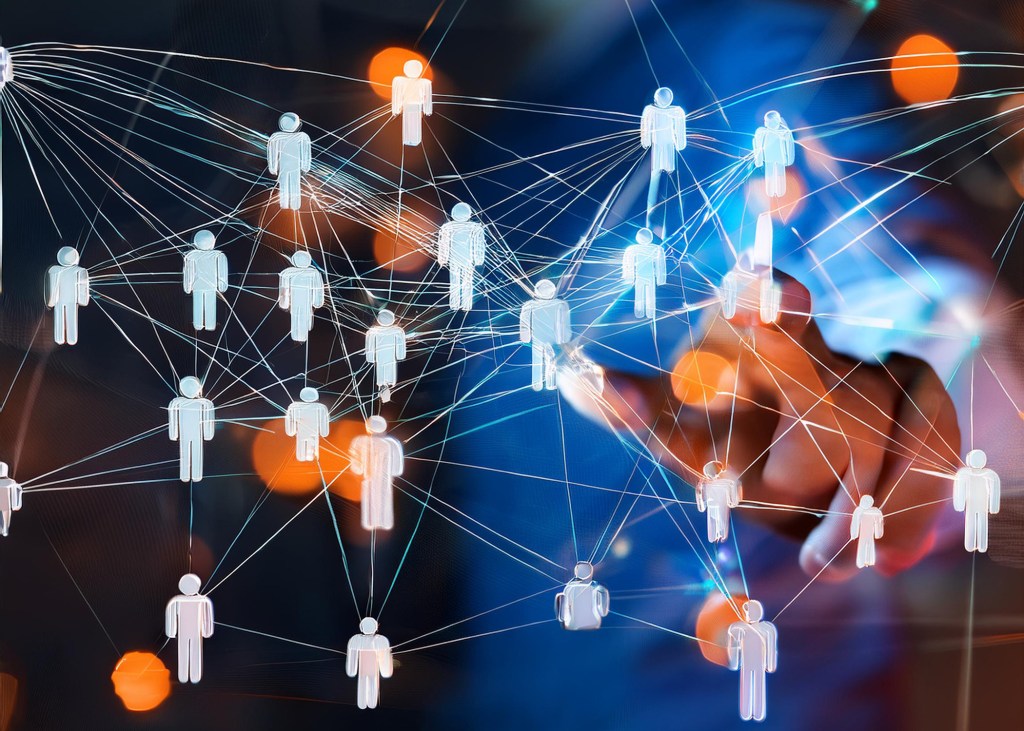
In a world where consumers are bombarded with generic ads, cookie-cutter emails, and impersonal messages, the need for personalized marketing has never been more evident. People crave experiences that feel tailored to their individual preferences, interests, and behaviors, as they seek authenticity in their interactions with brands. Enter personalized marketing—a powerful approach that focuses on treating customers not as faceless data points but as unique individuals with distinct needs and desires. This strategy relies on data analytics, allowing companies to create targeted campaigns that resonate on a personal level, thus fostering a sense of connection and loyalty among consumers. As technology especially AI continues to evolve, the tools available for implementing personalized marketing become increasingly sophisticated, enabling businesses to engage in deeper storytelling and provide recommendations that align closely with customer values. This trend is rapidly shaping the future of marketing, offering businesses the opportunity to forge stronger, more meaningful connections with their customers, ultimately leading to improved customer satisfaction and higher retention rates.
Why Personalized Marketing Matters
Consumers today are increasingly savvy and have higher expectations when it comes to interacting with brands. The days of mass marketing are quickly fading, replaced by personalized approaches that prioritize the individual. According to a survey conducted by Accenture, 91% of consumers are more likely to shop with brands that provide personalized recommendations and offers. Personalized marketing doesn’t just enhance the customer experience; it also drives engagement, conversions, and brand loyalty.
The key to personalized marketing lies in using data to understand customer behavior, preferences, and needs. Through this understanding, businesses can craft messages that speak directly to the consumer, delivering the right message to the right person at the right time. This approach moves away from the one-size-fits-all model, focusing instead on relevance, value, and genuine customer connections.
The Technology Behind Personalized Marketing
The evolution of personalized marketing has been largely driven by advancements in technology. Artificial intelligence (AI) and machine learning algorithms allow brands to collect and analyze vast amounts of data, providing insights into consumer behavior patterns. These technologies power recommendation engines that deliver individualized product suggestions, such as those used by Amazon and Netflix, which have set the gold standard for personalized experiences.
Customer Relationship Management (CRM) systems also play a crucial role in personalized marketing by storing and managing customer data, allowing businesses to segment audiences effectively. With these insights, marketers can create targeted campaigns that address specific segments, ensuring that each interaction feels relevant and meaningful.
Additionally, chatbots have become a popular tool for delivering personalized experiences in real time. AI-powered chatbots can recognize customer preferences and tailor their responses accordingly, making consumers feel heard and valued during every interaction.
The Benefits of Personalized Marketing
1. Increased Customer Engagement
Personalized marketing allows brands to deliver content that resonates with individual customers. By presenting offers, recommendations, and messages that align with a customer’s interests, brands can capture attention and keep consumers engaged. For example, Spotify’s “Wrapped” campaign provides each user with a customized summary of their listening habits, which not only encourages users to engage with the platform but also drives social sharing and word-of-mouth.
2. Improved Conversion Rates
Consumers are more likely to make a purchase when they receive relevant offers and recommendations. A study by HubSpot found that personalized calls-to-action convert 202% better than default calls-to-action. By understanding what motivates each customer, brands can create offers that directly address their needs, ultimately increasing the likelihood of conversion.
3. Stronger Brand Loyalty
Personalized marketing fosters a deeper connection between the consumer and the brand. When customers feel that a brand truly understands them, they are more likely to return and engage with that brand repeatedly. Nike’s NikePlus membership program, for instance, offers exclusive deals, early access to products, and customized workout recommendations—all tailored to the individual user’s preferences. This approach builds a sense of loyalty and appreciation among members, helping to strengthen the bond between the brand and its customers.
4. Enhanced Customer Experience
By providing personalized content and recommendations, brands can create a seamless and enjoyable customer experience. Whether it’s through personalized email campaigns, targeted ads, or tailored landing pages, personalization ensures that every interaction feels relevant and adds value. This kind of experience is what makes customers feel special, ultimately leading to higher satisfaction and brand advocacy.
Real-World Examples of Personalized Marketing
1. Amazon’s Personalized Product Recommendations
Amazon is one of the pioneers of personalized marketing, leveraging customer data to provide individualized product recommendations. By analyzing customers’ browsing and purchasing behavior, Amazon tailors its homepage for each user, showcasing products they are most likely to be interested in. This personalization has been a driving force behind Amazon’s massive e-commerce success, contributing significantly to customer satisfaction and sales.
2. Coca-Cola’s “Share a Coke” Campaign
Coca-Cola’s “Share a Coke” campaign is another iconic example of personalized marketing. The campaign involved printing popular names on Coke bottles, encouraging consumers to “share a Coke” with someone whose name was featured. This simple but powerful personalization effort resonated with people on an emotional level, leading to a surge in sales and an increase in brand engagement. It also encouraged customers to share photos of their personalized bottles on social media, further amplifying the campaign’s reach.
The Future of Personalized Marketing
As technology continues to advance, the future of personalized marketing looks incredibly promising. AI, machine learning, and big data will continue to play a significant role in enabling brands to understand their customers better and create hyper-personalized experiences. The integration of augmented reality (AR) and virtual reality (VR) could take personalization to the next level, allowing consumers to visualize products in their own environments or even create personalized versions of products in real time.
However, it’s important to note that with great power comes great responsibility. As personalized marketing becomes more sophisticated, brands must be cautious about respecting consumer privacy and data security. Transparency is key—customers need to feel confident that their data is being used ethically and responsibly. Brands that strike the right balance between personalization and privacy will be the ones that thrive in this new era.
Embracing Personalized Marketing as a Tool for Positive Change
I believe that personalized marketing can be a very positive tool for change if used properly—much like most other tools. By genuinely understanding customer needs and delivering value in a personalized manner, brands can build lasting relationships that benefit both the consumer and the business. When executed ethically, personalized marketing enhances the customer experience, drives loyalty, and fosters a more consumer-centric approach to marketing.
Conclusion: The Power of One
The power of one—the ability to treat each customer as an individual—is what sets personalized marketing apart from traditional mass marketing. In an era where consumers demand relevance, authenticity, and value, personalization is no longer just a nice-to-have; it’s a necessity. By leveraging technology, data, and creativity, brands can create personalized experiences that resonate deeply with their audience, driving engagement, conversions, and loyalty.
The future of marketing is personal, and those brands that embrace the power of one will not only stand out in a crowded marketplace but also build meaningful connections that stand the test of time.
 Niki Martinov