
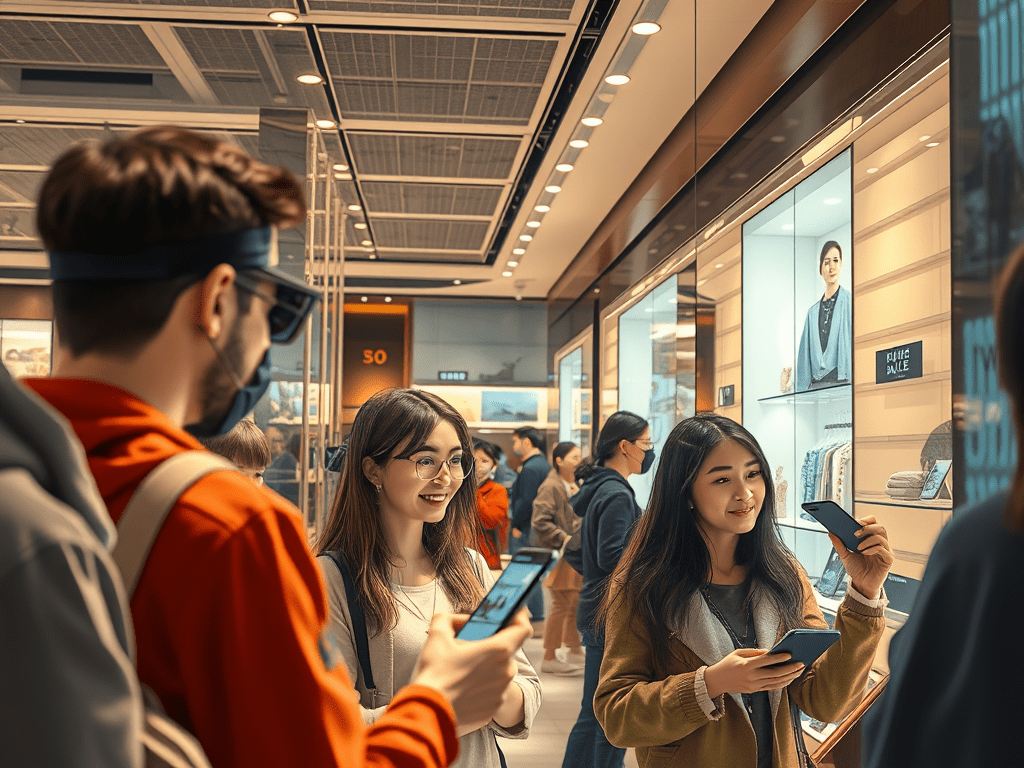
As technology continues to evolve at lightning speed, the line between the digital and physical worlds is blurring, giving rise to a new era of customer experience. The future of customer engagement lies in merging digital and physical touchpoints to create seamless, consistent, and memorable experiences that cater to customers’ expectations in a connected world. Brands that can effectively blend the convenience of digital interactions with the tangibility of physical engagement are poised to set themselves apart and build stronger connections with their audiences.
The Rise of the Phygital Experience
“Phygital” is a term that encapsulates the combination of physical and digital elements in a cohesive experience. With the rise of e-commerce, augmented reality (AR), artificial intelligence (AI), and smart technologies, brands are presented with countless opportunities to enhance customer experiences by blending these two worlds.
Customers today expect convenience and instant gratification, characteristics often associated with digital services. At the same time, they desire the human interaction and tangible nature of in-store shopping. The fusion of both experiences provides the best of both worlds, leading to increased satisfaction and loyalty.
A classic example is Amazon Go stores, which use digital solutions like sensors and mobile apps to streamline physical shopping, allowing customers to simply walk in, pick up items, and leave without going through a traditional checkout process. This concept merges the efficiency and data collection of digital shopping with the immediacy of a physical store visit, thus addressing customer pain points and enhancing convenience.
Redefining In-Store Experiences with Digital Solutions
Brands that have physical stores are beginning to leverage digital innovations to transform in-store experiences, making them more personalized and interactive. For instance, many retail brands are adopting AR solutions, which allow customers to visualize how a product might look before they buy it. Cosmetic brands like Sephora use AR mirrors in their stores, enabling customers to “try on” makeup without physically applying it, thus reducing hesitation and improving the customer journey.
Another example of digital integration into physical spaces is the adoption of QR codes. Since the pandemic, QR codes have made a resurgence in the form of touchless menus, payments, and additional product information. They provide a bridge between offline experiences and online engagement, letting customers get the information they need instantly without the friction of traditional methods.
Creating Personalized Experiences Through Data
A key component of merging physical and digital experiences is personalization. Collecting customer data through digital touchpoints allows brands to customize in-person interactions. With data from customer interactions, brands can anticipate customer needs and personalize both digital and physical experiences to drive engagement and loyalty.
For instance, Nike’s app seamlessly connects with in-store experiences. When customers walk into a Nike store, they can use the app to locate items, check product availability, or even reserve fitting rooms. This kind of data-driven personalization makes shopping easier and makes customers feel valued.
Moreover, loyalty programs play a significant role in integrating the physical and digital experience. Starbucks’ loyalty app exemplifies this integration. Customers can order ahead from the app, accumulate points, and receive personalized offers, which seamlessly connect to their in-store purchases. This results in an improved customer experience that caters to the customer’s preferences while rewarding their loyalty.
The Role of AI and Automation in Enhancing Customer Experience
AI and automation are driving the future of customer experiences. AI-powered chatbots and virtual assistants, for example, help brands provide instant responses to customer queries, bridging the gap between digital interactions and physical needs. Automation is also being used in physical stores in the form of smart kiosks and self-checkout machines, allowing customers to experience the same speed and convenience they associate with online shopping.
Retailers are also leveraging machine learning algorithms to predict customer behavior, allowing them to personalize the entire customer journey. AI tools can analyze customer data to predict preferences, recommend products, and provide tailored offers, making both digital and in-store interactions more relevant and engaging.
Challenges of Merging Digital and Physical Touchpoints
Despite the benefits, merging digital and physical touchpoints is not without its challenges. One of the key challenges is ensuring consistency across both experiences. Customers expect to interact with a brand seamlessly, whether they are online, in-store, or using a mobile app. This requires brands to ensure that data flows smoothly between their physical and digital systems to avoid customer frustration.
Additionally, privacy concerns are increasingly coming to the forefront. Brands must handle customer data with care, ensuring that they meet privacy regulations while delivering a personalized experience. Striking the right balance between leveraging data for personalization and maintaining trust is crucial.
Another challenge is the cost of implementing new technologies to merge the digital and physical realms. Upgrading infrastructure, training employees, and developing new processes require a significant investment that not all businesses can afford. Brands must evaluate their customer base, operational capabilities, and potential ROI before deciding to adopt these new technologies.
The Future Is Hybrid
The future of customer experience is all about the hybrid model—merging the best aspects of physical and digital touchpoints to provide customers with a connected, frictionless journey. Brands need to rethink how they interact with customers, making sure every touchpoint is an opportunity to create meaningful engagement.
Retail giants such as Walmart have embraced the hybrid model by allowing customers to shop online and pick up in-store. This model has proven particularly effective, offering convenience without sacrificing the tangible benefits of a physical presence. Digital interactions, such as order tracking, are complemented by physical services like curbside pickup, creating an end-to-end customer experience that is easy and efficient.
A Holistic Approach to Customer Experience
The future of customer experience lies in merging the physical and digital worlds in ways that create value for customers and foster long-term loyalty. By leveraging technologies like AI, AR, and mobile apps, brands can bridge the gap between digital and physical interactions, providing a seamless experience that aligns with evolving consumer expectations.
Brands that are able to innovate and adapt, creating phygital experiences that meet customer needs, will not only survive but thrive in an increasingly competitive marketplace. The challenge is to stay ahead of the curve and to continue blending these experiences in ways that resonate with the consumer—because in this connected age, the power lies in creating experiences that transcend the divide between online and offline worlds.
 Niki Martinov