
In today’s increasingly commercialized world, politics is no longer just about policy-making and governance—it has evolved into a branded experience. Politicians, movements, and ideologies are now adopting marketing tactics similar to those of major consumer brands. Political campaigns are selling not just ideas but lifestyles and emotions, much like Nike sells inspiration or Coca-Cola sells happiness. As political actors embrace these branding strategies, the line between consumer marketing and political messaging is blurring, impacting how we perceive leadership, loyalty, and truth.
Politics today is all about optics. Just like a successful brand, political figures must create a persona that resonates emotionally. Consider recent leaders who used slogans and symbols like “Make America Great Again” or “Yes We Can.” These phrases are more than political statements; they are brand messages that evoke emotions and invite identification with a collective idea—similar to Apple’s “Think Different” mantra.
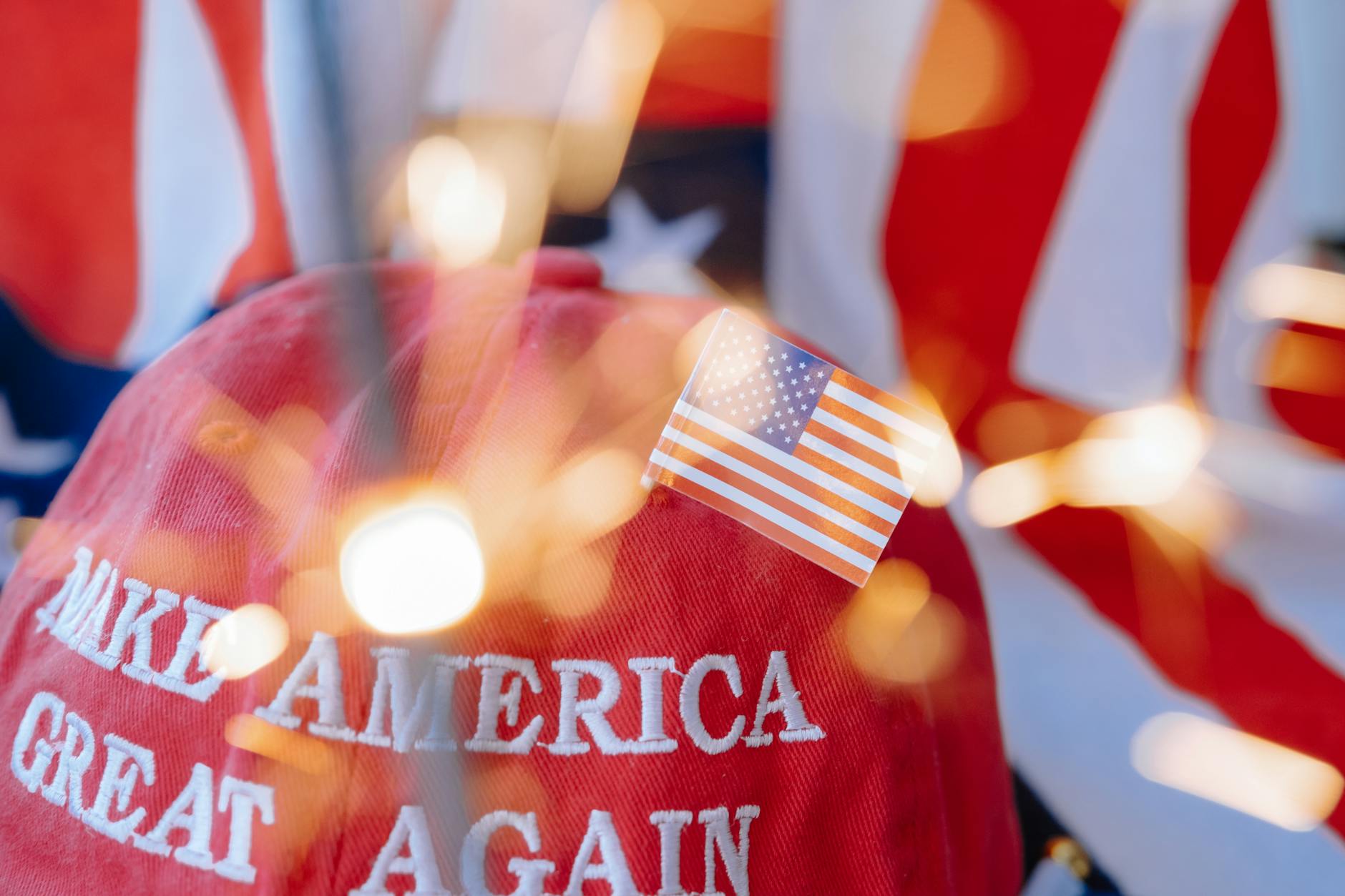
Donald Trump has embraced political branding to an extraordinary extent. His “Make America Great Again” (MAGA) slogan became one of the most recognizable political brands. The red MAGA hat turned a political statement into a cultural symbol—a badge of belonging that signaled alignment with Trump’s movement. The hat became iconic, as recognizable as any consumer brand logo, fostering loyalty among supporters. Trump’s rallies were also orchestrated like brand activations, designed to reinforce his image as a “strong leader fighting the establishment.” These events created a sense of belonging, much like the exclusivity cultivated by successful brands.
Political figures use marketing tools—from Instagram feeds to influencer-style rallies—to cultivate a sense of community that “gets it.” Social media has become the perfect platform for political branding. Politicians post curated images, interact directly with followers, and capitalize on trending hashtags to generate viral moments. This allows them to sell not just policies but also identity and emotion. Political merchandise, viral campaigns, and soundbite-ready slogans are now essential tools in their branding kit.
The goal of political branding is similar to that of commerce: loyalty. Just as Nike inspires athletes to embrace “Just Do It,” political branding encourages voters to feel loyalty beyond policy. By selling an idea or an identity, political brands make followers feel part of something bigger than themselves. Political rallies are now staged like concerts, with anthems and vivid imagery that reinforce brand identity. Trump’s campaign rallies, for instance, emphasized strength, nostalgia, and defiance, painting him as an anti-establishment figure.
On the other side, Alexandria Ocasio-Cortez (AOC) has cultivated a youthful, relatable brand, frequently engaging followers through social media. This kind of loyalty transcends policy and creates an emotional bond between leaders and supporters.
Political merchandise has also become a key part of branding. Like fans of sports teams or fashion brands, political supporters proudly display hats, shirts, and stickers. Trump’s MAGA hats became a symbol of his movement, spreading his brand, creating solidarity, and generating free advertising—similar to how exclusive brand merchandise fosters a sense of belonging.
In many ways, social media has become the new campaign trail. Politicians no longer rely solely on debates and TV appearances; instead, they use platforms to reach younger audiences, create viral moments, and share bite-sized versions of their policy ideas. Trump’s use of Twitter, for example, crafted his brand as unfiltered, direct, and controversial. It allowed him to bypass traditional media and connect with his audience in a personal way. Influencer marketing is also prevalent, with endorsements from celebrities and social media personalities functioning like brand collaborations.
The convergence of branding and politics is not without its downsides. The focus on crafting a perfect image can overshadow policy discussions. Instead of evaluating politicians on their stance on issues, voters may base decisions on the emotional and social appeal of their “brand.” This shift can prioritize charisma and spectacle over substance. Moreover, political branding can spread misinformation, sway public opinion, and make it harder for voters to discern genuine stances from marketing gimmicks.
However, when used properly, branding in politics can also be a force for positive change. It can help leaders connect with citizens, increase voter turnout, and rally support around important causes. Just like any marketing tool, the impact of political branding depends on its use and intent.
As politics evolves into a brand-like status, voters must be aware of how branding tactics are used to sway opinions. Political branding can create powerful movements and instill loyalty, but it can also distract from core issues. By understanding the similarities between politics and consumer marketing, voters can become more informed. Ultimately, branding can be a positive tool for connecting with voters—much like other tools that drive progress and productivity. As politics becomes more about branding, it’s crucial to look beyond the slogans and social media buzz to understand the substance beneath the surface.
 Niki Martinov