
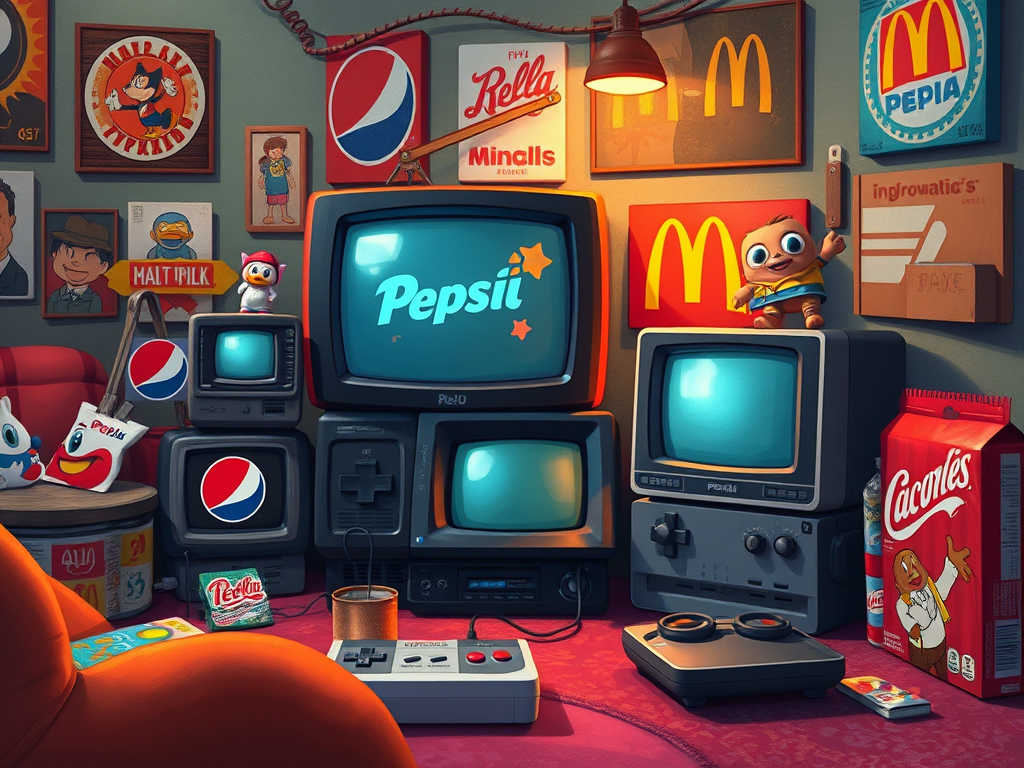
In an era dominated by rapid technological advancements and ever-changing trends, brands are increasingly turning to the past to win over modern consumers. Nostalgia marketing—a strategy that taps into the emotions and memories of past decades—has proven to be a powerful tool, particularly among Gen Z and Millennials. These younger generations, despite growing up in the digital age, are deeply drawn to the aesthetics, sounds, and experiences of the past. But why does nostalgia resonate so strongly with these demographics, and how are brands leveraging it to drive engagement and sales?
Why Nostalgia Appeals to Gen Z and Millennials
Nostalgia marketing isn’t just about revisiting the past; it’s about evoking emotions that create a sense of comfort and belonging. Millennials (born between 1981 and 1996) and Gen Z (born between 1997 and 2012) grew up during significant technological and cultural shifts. Millennials saw the transition from analog to digital, while Gen Z has never known a world without the internet. Yet, both generations find comfort in revisiting elements of their childhood or earlier cultural moments.
One reason nostalgia resonates so strongly is the growing sense of uncertainty in today’s world. With economic instability, social media pressures, and the overwhelming pace of modern life, looking back at “simpler times” offers a sense of security. Nostalgic content reminds people of the excitement of the 90s and early 2000s—when cartoons, pop culture, and classic video games were at their peak. This emotional connection creates trust and relatability, making brands that use nostalgia feel familiar and welcoming.
How Brands Are Leveraging Nostalgia Marketing
Several brands have successfully harnessed nostalgia to captivate younger audiences. By bringing back old designs, reintroducing classic products, or collaborating with iconic pop culture figures, companies are tapping into consumer sentiment in innovative ways.
1. Reviving Retro Branding and Packaging
One of the simplest yet most effective strategies is the reintroduction of vintage branding and packaging. Pepsi and Coca-Cola have periodically brought back retro cans and branding from the 80s and 90s, triggering memories of simpler times when people associated these drinks with childhood outings and family gatherings. Likewise, McDonald’s has revived its classic Happy Meal designs and reintroduced popular toys from past decades, drawing in both nostalgic adults and curious younger consumers.
2. Reboots, Remakes, and Revivals
The entertainment industry has embraced nostalgia with open arms. Streaming platforms like Netflix and Disney+ have rebooted classic shows such as Full House (Fuller House), Saved by the Bell, and That ’70s Show (That ’90s Show). Similarly, brands like Nintendo have relaunched retro gaming consoles like the Super Nintendo Classic and the Game Boy Advance SP, appealing to Millennials who grew up playing them and Gen Z consumers who are fascinated by vintage gaming culture.
3. Collaborations with Legacy Brands
Fashion brands have also capitalized on nostalgia by partnering with legacy brands from the past. Adidas and Puma have reintroduced sneakers from the 80s and 90s, often in collaboration with pop culture icons. Meanwhile, brands like Tommy Hilfiger and Fila have embraced their vintage aesthetics, making them trendy again among Gen Z consumers. The resurgence of Y2K fashion—a revival of early 2000s styles featuring low-rise jeans, crop tops, and bold, colorful accessories—demonstrates how nostalgia drives both personal expression and brand engagement.
4. Music and Pop Culture Throwbacks
Music is a powerful nostalgia trigger, and brands are using it to their advantage. TikTok has played a significant role in bringing back older songs, making them go viral again decades later. Songs like Kate Bush’s Running Up That Hill and Fleetwood Mac’s Dreams have been reintroduced to younger audiences, with brands integrating these tracks into their campaigns to tap into the nostalgic wave. Meanwhile, artists such as Bruno Mars and Dua Lipa infuse their music with strong 80s and 90s influences, resonating with audiences that crave a retro sound.
5. Gamifying the Past
The rise of gamification in marketing has also fueled nostalgia. Many brands have reintroduced 8-bit graphics, arcade-style games, and pixel art into their campaigns to create an old-school gaming experience. Burger King’s Stranger Things-themed campaign, which featured an “Upside Down” Whopper meal and 80s-inspired branding, successfully blended nostalgia with modern fandom, making it one of the most talked-about collaborations in recent years.
How Brands Can Successfully Implement Nostalgia Marketing
If you’re considering using nostalgia in your branding or marketing efforts, here are some key takeaways:
• Stay Authentic: Consumers can spot inauthenticity from a mile away. Ensure that your nostalgic elements align with your brand’s identity rather than feeling forced.
• Blend the Old with the New: While nostalgia is powerful, modern audiences also value innovation. Combine vintage aesthetics with fresh ideas to create a unique experience.
• Use Pop Culture References: Tap into the music, TV shows, fashion, and technology that defined past decades to make your campaign more relatable.
• Encourage User-Generated Content: Invite consumers to share their own nostalgic memories using your product. Campaigns that encourage participation, like “Throwback Thursday” (#TBT), are highly engaging.
• Leverage Social Media Trends: Platforms like TikTok, Instagram, and YouTube are great spaces to incorporate nostalgic content, whether through trends, challenges, or influencer collaborations.
Conclusion
Nostalgia marketing is more than just a trend—it’s a powerful psychological tool that fosters emotional connections, brand loyalty, and deep engagement among consumers of all ages. By tapping into past memories and cultural moments, brands can create meaningful experiences that transcend generations and resonate on a personal level. This approach not only evokes fond memories but also encourages consumers to relive cherished moments, effectively creating a bridge between the past and the present. As Millennials and Gen Z continue to drive consumer trends, their affinity for the retro and the familiar plays a pivotal role in shaping purchasing decisions. Companies that successfully blend nostalgia with modern innovation will not only stand out in an ever-evolving marketplace but will also cultivate a devoted following, solidifying their presence in a competitive landscape where emotional resonance increasingly dictates success. By weaving nostalgic elements into modern marketing strategies, brands can tap into a rich vein of sentimentality, ensuring they remain relevant and relatable amidst the fast-paced changes of contemporary society.
 Niki Martinov