
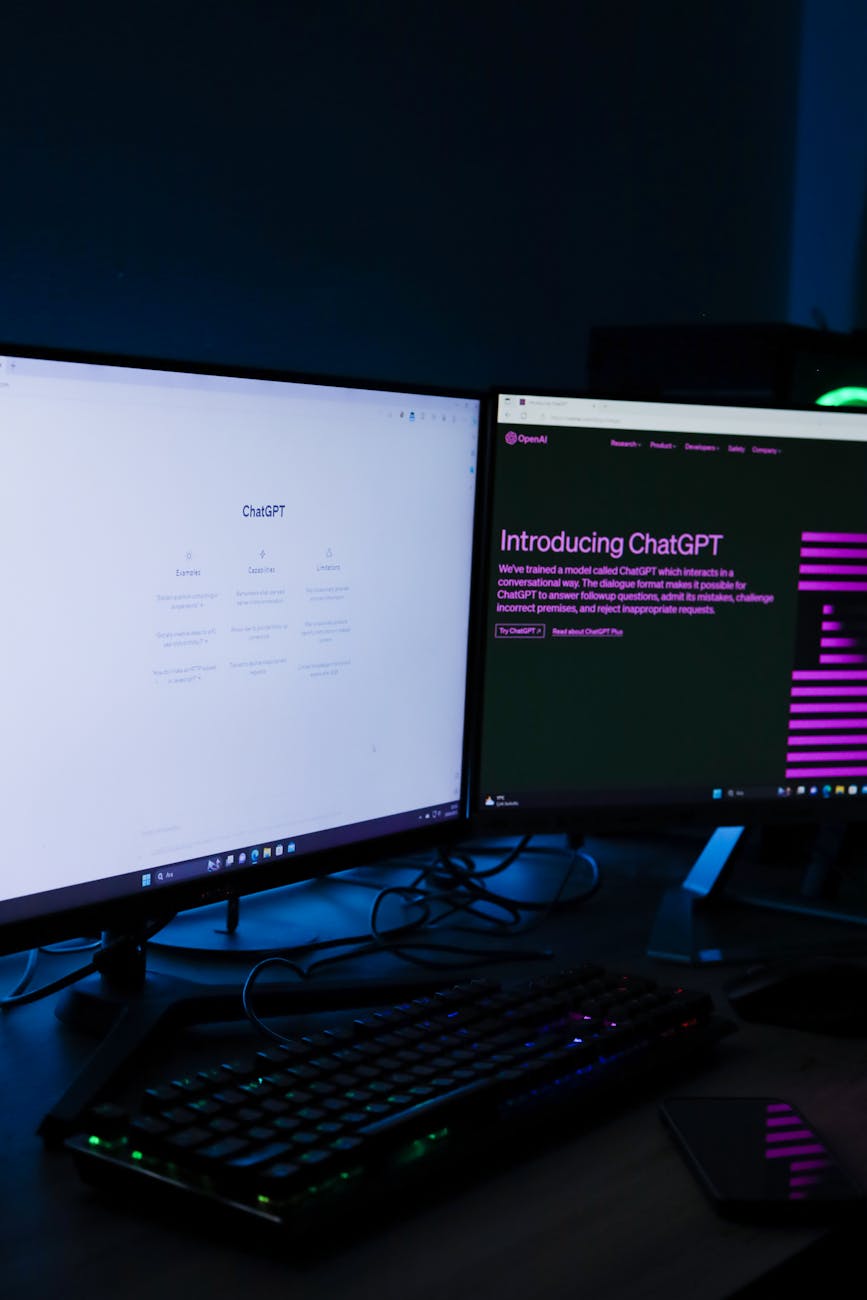
The recent unveiling of OpenAI’s GPT-4o has sent ripples through the advertising world, promising groundbreaking capabilities in image generation. This advancement not only empowers marketers with unprecedented tools but also poses profound implications for graphic designers, photographers, and content creators. As businesses rapidly adopt these AI-driven features, the advertising industry is set for significant disruption, with both transformative opportunities and notable challenges emerging.
GPT-4o’s sophisticated image generation capabilities can craft highly realistic visuals from simple textual descriptions, drastically reducing the resources required for visual content creation. For marketers and advertisers, this means quicker turnaround times, lower costs, and highly personalized ad creatives tailored instantly to diverse audience segments. The ability to generate product images, lifestyle shots, and even detailed graphic designs on-demand is set to accelerate campaign executions and enhance creative flexibility.
However, this technological leap also signals a shift in the landscape for traditional creative roles. Graphic designers and photographers, whose skills have historically been indispensable in crafting bespoke imagery, now face direct competition from advanced AI capabilities. Entry-level creative jobs are particularly vulnerable, with AI-generated content potentially substituting tasks once performed by human hands. The ease and affordability of AI-generated visuals could incentivize businesses to reduce their reliance on professional photographers and graphic designers, threatening job stability and career prospects in these fields.
On the positive side, GPT-4o presents substantial opportunities for professionals willing to embrace and integrate AI into their workflow. Graphic designers and creative directors can leverage GPT-4o’s features to conceptualize and experiment rapidly, expanding their creative horizons and enhancing productivity. Photographers and content creators can use AI-generated visuals as foundational assets, adding human touches to differentiate their work. Rather than replacing human creativity, GPT-4o could enhance it, offering a powerful ally in achieving new heights of innovation and efficiency.
Nonetheless, the profound shift facilitated by GPT-4o indicates a likely evolution in job roles within advertising and creative industries. As content creation becomes increasingly automated, there will be a greater emphasis on strategic distribution, campaign planning, and audience engagement tactics. Professionals skilled in strategy formulation, analytical insights, and content distribution optimization will become even more valuable. Creatives who can pivot towards overseeing AI-driven content production and effectively managing these tools to deliver strategically aligned campaigns will thrive.
This evolution could, however, exacerbate existing industry challenges, notably job displacement. The ease and cost-effectiveness of AI-generated images could displace roles traditionally reserved for junior designers, freelance photographers, and creative interns, reshaping entry points into creative careers. Educational institutions and industry training programs may need to swiftly adapt, emphasizing skills in AI tool management, strategic thinking, and analytical capabilities alongside traditional creative skills.
Ultimately, GPT-4o’s image generation features represent a pivotal turning point for advertising and creative professions. The technology provides significant benefits in efficiency, personalization, and creative possibilities, but also poses critical challenges around job security and industry dynamics. As with previous technological revolutions, the key will lie in adaptability. Embracing AI as a collaborative tool rather than a replacement for human talent will be essential. Creative professionals who successfully integrate GPT-4o into their workflows and focus on strategy and content distribution will not only survive but thrive in this rapidly evolving landscape.
 Niki Martinov