
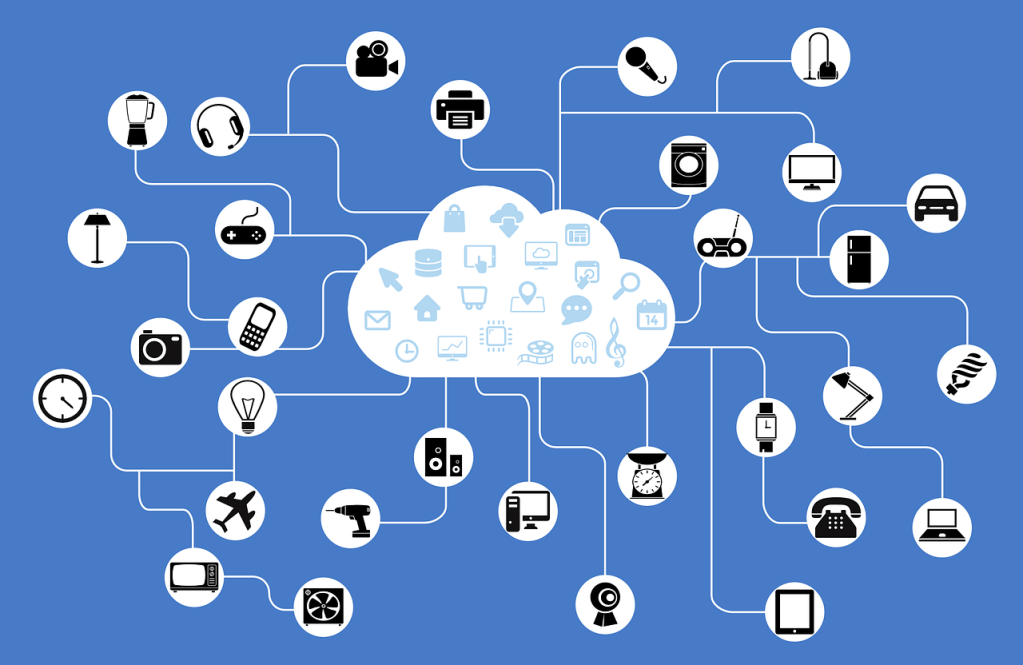
The Internet of Things (IoT) has dramatically reshaped our everyday lives by seamlessly connecting devices and enabling instant data exchanges. Beyond the convenience it provides consumers, IoT is also redefining the realms of marketing and advertising, offering brands groundbreaking methods to engage and communicate with their customers.
One of IoT’s most significant advantages is its ability to gather real-time insights about consumer behaviors, preferences, and patterns. This wealth of data allows marketers to craft hyper-personalized experiences tailored precisely to individual needs and expectations. For example, smart home devices can monitor users’ energy usage, enabling utility companies to create targeted promotional campaigns centered around energy efficiency and conservation products. This highly relevant and personalized approach enhances customer engagement and increases the effectiveness of marketing campaigns.
Moreover, the rapid proliferation of IoT-enabled devices, such as smart speakers, wearable technology, and intelligent appliances, opens entirely new channels for marketers. Voice assistants like Amazon Alexa or Google Assistant allow brands to develop interactive skills or apps that deliver real-time product information, personalized recommendations, and timely promotions. For instance, a retail brand might create a voice-assistant skill that helps users track orders or alerts them to exclusive deals, significantly enhancing customer convenience and satisfaction.
Another powerful impact of IoT lies in the realm of real-time analytics. IoT technologies empower marketers to monitor campaign performance instantly, offering immediate insights into consumer interactions and engagement levels. This dynamic, data-driven environment enables marketing professionals to make informed adjustments quickly, optimizing campaigns for maximum impact and ensuring the most efficient use of marketing budgets. Such agility not only boosts return on investment (ROI) but also provides deeper consumer insights for future strategic decisions.
However, the vast capabilities of IoT bring along increased responsibilities regarding consumer privacy and data security. The ability to collect vast amounts of user data comes with ethical implications, highlighting the importance of transparency, responsible data management, and adherence to privacy laws and regulations. Brands must implement robust privacy policies and data security measures, clearly communicating these to consumers to build trust and maintain credibility.
In conclusion, IoT stands poised to transform marketing and advertising even further, offering endless possibilities to engage, communicate, and build lasting relationships with consumers. As technology advances, businesses that embrace IoT’s full potential and prioritize ethical considerations will not only stay ahead of competitors but also create meaningful, impactful customer experiences. The future holds immense promise, and it will be fascinating to witness how brands continue leveraging IoT technology to drive innovative marketing strategies and lasting success.
 Niki Martinov