
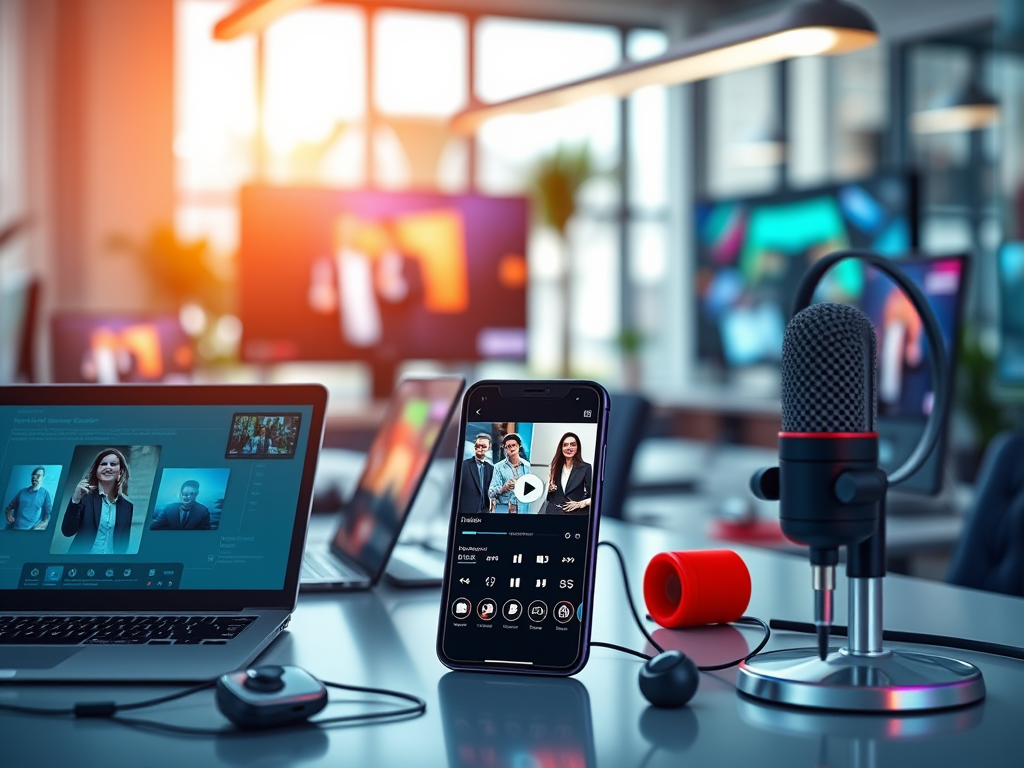
The advertising landscape in 2025 is being fundamentally reshaped by the pervasive consumption of video and audio content. From the captivating allure of short-form videos that seize attention in mere seconds to the immersive and ambient nature of audio experiences that accompany consumers throughout their daily routines, the ways in which brands engage with their target audiences have undergone a profound transformation. The dominance of video and audio ads is no longer a mere trend or fleeting phenomenon; it represents a powerful and enduring shift driven by evolving consumer behavior, rapid technological advancement, and the escalating demand for more personalized, immersive, and compelling storytelling.
The contemporary consumer navigates a world saturated with digital media, dedicating a substantial portion of their time to consuming video content, engaging with podcasts, or streaming music. As screens and speakers become increasingly ubiquitous components of everyday life—seamlessly integrated into smart TVs, laptops, wireless earbuds, and voice assistants—brands are presented with unprecedented opportunities to establish meaningful and relevant connections with individuals, often in ways that feel less intrusive and more integrated into the user experience. Platforms such as TikTok, YouTube, Spotify, and the burgeoning ecosystem of smart home devices have evolved beyond simple distribution channels; they now function as dynamic ecosystems where users actively participate in content consumption and community engagement. Savvy advertisers are keenly aware of this shift and are strategically adapting their approaches to capitalize on this evolving media landscape.
Video ads have emerged as a dominant force, primarily due to their inherent visual appeal, unparalleled capacity for evoking emotional responses, and exceptional shareability across social networks. The ability to “show, not just tell” empowers brands to become master storytellers, conveying complex narratives, showcasing product features, and building brand identity in a visually engaging and memorable format. From the concise impact of six-second bumper ads designed to maximize brand recall to the interactive potential of product showcases that allow for deeper exploration, video offers a versatile toolkit for marketers. Furthermore, the sophisticated targeting and analytics capabilities offered by leading platforms enable marketers to deliver highly relevant video content to precisely defined audience segments at optimal moments, maximizing return on investment and fostering deeper engagement.
Audio ads, conversely, are flourishing within a more ambient and intimate context. The explosive growth of podcasting, coupled with the increasing adoption of smart speakers as household staples, has propelled audio into a powerful and effective medium for advertising. Listeners often cultivate strong personal connections with podcast hosts or curators, viewing them as trusted sources of information and recommendations. This inherent trust can translate into a greater receptiveness to ad placements, which are perceived as more akin to trusted endorsements than disruptive interruptions. The rise of programmatic audio advertising further enhances the medium’s appeal, allowing brands to deliver highly targeted messages based on granular data points such as listening habits, geographical location, and even the listener’s inferred mood, creating a seamless and highly personalized listening experience.
A key factor contributing to the dominance of video and audio formats is their inherent adaptability to consumers’ multi-tasking behaviors. In today’s fast-paced world, individuals frequently consume media while simultaneously engaging in other activities, such as commuting, exercising, cooking, or unwinding after a long day. Video and audio ads seamlessly integrate into these daily routines, providing information and entertainment without demanding the user’s undivided attention or causing undue disruption. This non-intrusive presence enhances the overall user experience while effectively maintaining brand visibility and top-of-mind awareness.
Moreover, the rapid integration of artificial intelligence (AI) and machine learning into ad creation and delivery tools is democratizing access to high-quality, tailored video and audio content production for brands of all sizes. Automated voiceovers, intelligent editing software, and even AI-generated visuals are significantly lowering the barriers to entry, empowering smaller businesses to compete effectively and pushing the boundaries of creative expression. These technologies also facilitate dynamic ad personalization, enabling brands to adapt ad content in real-time based on a user’s individual preferences, browsing behavior, or even the time of day, creating highly relevant and engaging experiences.
However, this expanded opportunity comes with a corresponding responsibility to prioritize quality, authenticity, and user experience. Audiences in 2025 are more discerning, sophisticated, and empowered than ever before. They crave authentic stories, creative visuals, and content that demonstrates respect for their time and intelligence. Ads that are perceived as overly generic, intrusive, or manipulative are likely to be quickly skipped, muted, or blocked, resulting in wasted ad spend and potential damage to brand reputation. To succeed in this competitive and saturated media environment, brands must strike a delicate balance between leveraging cutting-edge innovation and maintaining genuine authenticity. They must also prioritize ethical data usage to create content that resonates on a human level, fostering meaningful connections and building long-term brand loyalty.
As we gaze into the future, the prominence of video and audio in advertising is poised to deepen and solidify, transforming the landscape of marketing in unprecedented ways. The future of effective marketing lies not in the delivery of louder or more aggressive messages, but in the creation of smarter, more immersive, and emotionally resonant storytelling experiences that captivate audiences through the power of sight and sound. In this dynamic environment, brands must innovate and evolve their strategies, leveraging cutting-edge technology and data analytics to tailor their narratives to diverse audience segments. In the ongoing battle for consumer attention, the ultimate victor will not be the brand that shouts the loudest, but the brand that connects most meaningfully with its audience, fostering genuine relationships built on trust and shared values. By weaving compelling narratives that resonate on personal levels, brands can not only enhance engagement but also cultivate loyalty that transcends the mere transactional nature of consumer relationships, creating lasting impressions that encourage advocates and ambassadors for their message.
 Niki Martinov