
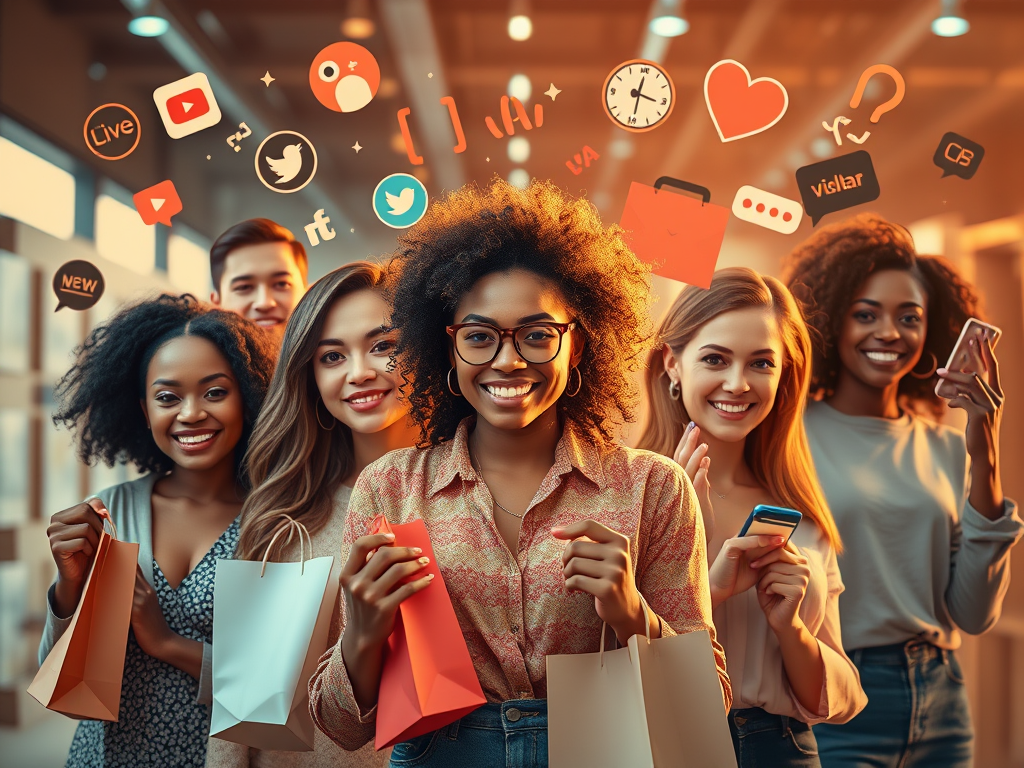
The traditional role of influencers as mere brand ambassadors has become increasingly antiquated. We’ve entered the era of Creator Commerce 2.0, a transformative phase where digital creators are evolving into multifaceted media enterprises. Empowered by deeply engaged and loyal audiences, sophisticated monetization tools, and platforms that now recognize and prioritize creators as pivotal business drivers, influencers are transcending the role of content producers; they are becoming entrepreneurs, publishers, and brand owners, fundamentally redefining the very business of influence.
From Sponsored Posts to the Cultivation of Personal Empires
In the nascent stages of influencer marketing, creators primarily functioned as conduits for brand exposure. They were compensated with products or monetary payments in exchange for promoting a company’s offerings to their respective follower base. While this transactional model persists to some extent, the influencer landscape has undergone a dramatic and multifaceted evolution. Today’s most successful creators are no longer content with simply lending their image or endorsement to established brands; they are actively and strategically cultivating their own.
Influencers are now meticulously constructing personal brands that rival the reach, engagement, and cultural impact of traditional media companies. This entrepreneurial spirit manifests in diverse ways, from the launch of independent skincare lines and fashion labels to the development of comprehensive fitness programs and the establishment of innovative tech startups. Creators are leveraging the power of their online communities to engage in direct-to-consumer sales, bypassing traditional retail channels and establishing a more intimate connection with their customers. Platforms such as Shopify, Patreon, YouTube, and TikTok Shop have played a crucial role in this transformation, providing creators with accessible and powerful tools to monetize their influence and creativity on their own terms.
Consider the trajectory of Emma Chamberlain, for instance. Her journey began with the creation of engaging and authentic vlogging content on YouTube. This digital foundation has since expanded into the development of a successful coffee brand, strategic fashion collaborations with major labels, and the creation of a thriving podcast empire. Or examine the career of MrBeast, who initially gained notoriety through his viral stunts and philanthropic endeavors. He has now leveraged his online fame to build a multimillion-dollar snack brand, establish a rapidly expanding restaurant chain, and launch a full-fledged production company. These creators are not merely selling products or services; they are curating and cultivating entire ecosystems around their unique identities, values, and creative visions.
The Proliferation of Creator-Owned Channels and Diversification Strategies
Another significant hallmark of Creator Commerce 2.0 is the strategic emphasis on platform diversification. Savvy and forward-thinking influencers are no longer solely reliant on the unpredictable nature of a single platform’s algorithm to sustain their visibility and revenue streams. Instead, they are strategically expanding their presence across a multitude of digital channels, including YouTube, Instagram, TikTok, Twitch, podcasts, newsletters, and even the development of their own independent websites and mobile applications. Each channel becomes a strategic distribution node within their self-owned and meticulously managed media network.
This multi-platform approach is not merely a matter of expanding reach; it is a calculated strategy designed to mitigate risk and maximize control. It provides creators with a crucial layer of protection against the inherent volatility of individual platforms, such as sudden algorithm changes that can drastically reduce visibility or the threat of demonetization due to evolving platform policies. Diversification also grants creators greater autonomy over their brand narrative, allowing them to shape their message and engage with their audience in a more consistent and authentic manner. Furthermore, this strategy facilitates the collection of richer and more comprehensive audience data, the implementation of diverse monetization strategies that generate multiple revenue streams, and the cultivation of deeper and more meaningful community engagement.
It is becoming increasingly common to witness creators building teams that mirror the organizational structure of traditional media companies. These teams often include editors, marketing specialists, graphic designers, and even public relations agents. Their content calendars, merchandising schedules, and brand partnership deals are meticulously planned and executed, reflecting a level of sophistication and professionalism that blurs the lines between “influencer” and “entrepreneur” to an unprecedented degree. This evolution is both exciting and transformative, signaling a fundamental shift in the power dynamics of the media and commerce landscapes.
The Intersection of Commerce, Culture, and Control in the Creator Economy
The power of Creator Commerce 2.0 stems from its ability to transcend the traditional transactional nature of commerce. Creators are not simply selling products or services; they are effectively selling identity, lifestyle aspirations, and, perhaps most importantly, trust. Consumers increasingly demonstrate a preference for purchasing goods and services from individuals they follow, admire, and feel connected to, rather than from faceless corporations. Influencers possess an intimate understanding of their audience, encompassing their values, sense of humor, aesthetic preferences, and buying behaviors. This deep understanding enables the creation of hyper-personalized marketing experiences that resonate on a personal level, fostering a sense of community and belonging rather than the impersonal nature of traditional advertising.
The capabilities of creators are further amplified by the integration of artificial intelligence (AI) and sophisticated automation tools. Creators are leveraging generative AI to accelerate content creation, automate repetitive tasks, and experiment with new creative formats. Advanced analytics dashboards provide creators with real-time data and insights, enabling them to track performance across multiple platforms, optimize their content strategies, and make data-driven decisions to scale their businesses.
However, this rapid evolution of the creator economy also raises important questions that demand careful consideration. As creators increasingly transform into brands and media conglomerates, how do they navigate the delicate balance of maintaining authenticity and avoiding the pitfalls of commercialization? What are the implications of the increasing convergence of content creation and commerce for the nature of online culture? And how will regulatory bodies and platform policies adapt to this new model of creator-led commerce, ensuring fair practices and protecting both creators and consumers?
The Trajectory of the Creator Economy: A Glimpse into the Future
Looking ahead, the trajectory of Creator Commerce 2.0 indicates that this is merely the beginning of a profound transformation. We can anticipate a future where more influencers will launch their own diverse product lines, strategically acquire smaller companies to expand their offerings, produce independent films and television series, and even venture into fields such as politics and social activism. Some creators may choose to merge with traditional media companies, leveraging their established infrastructure and resources, while others will opt to build their own vertically integrated media empires. The ultimate direction points towards the rise of full-stack creator entrepreneurship, where creators exert complete ownership over their platforms, audience data, product development, and customer relationships.
In essence, creators are no longer passive participants in the digital economy; they are becoming active market-makers, shaping consumer trends, influencing cultural conversations, and driving innovation across various industries. As they continue to build powerful and influential empires rooted in personal connection, authentic engagement, and a deep understanding of their audience, the future of commerce, culture, and media will undoubtedly bear a closer resemblance to them than to the established models of the past.
 Niki Martinov