
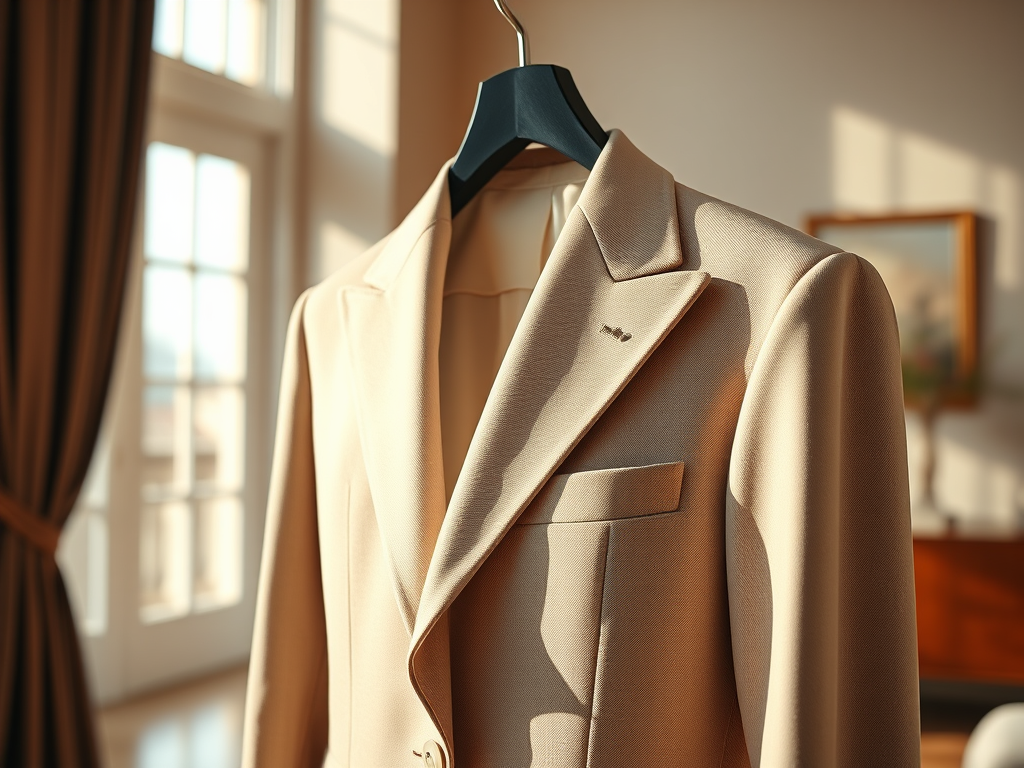
In a world perpetually saturated with overt logos, ceaseless digital noise, and the pervasive showmanship of social media, a subtle yet profoundly powerful counter-trend has taken firm root within the high-end and luxury markets: “Quiet Luxury.” The era where status was intrinsically synonymous with flash and conspicuous consumption has unequivocally passed. Today’s elite consumers are actively shifting their preferences towards an ethos of minimalism, discretion, and unparalleled craftsmanship, where true value is whispered rather than loudly proclaimed. This phenomenon signifies a deliberate and sophisticated pivot, where from the exclusive runways of Milan to the curated Instagram feeds of discreet tastemakers, understated branding has rapidly become the ultimate symbol of refined taste, undeniable wealth, and genuine exclusivity. Yet, this movement is far more than a fleeting aesthetic preference; it signals a broader, more fundamental cultural shift that is profoundly redefining what luxury truly means in 2025 and for decades to come.
Quiet luxury is, at its core, a design and branding philosophy deeply grounded in restraint, refinement, and an unwavering commitment to timelessness. It stands as the direct antithesis of logomania or any ostentatious displays of wealth. Rather than loudly announcing its inherent value, quiet luxury communicates through nuanced whispers—conveyed through meticulously tailored silhouettes, the selection of the finest natural materials, impeccable and often artisanal craftsmanship, and the most subtle, almost imperceptible detailing. Think of revered brands like The Row, Brunello Cucinelli, or Loro Piana—names that command premium price points not through overt branding, but through an intrinsic quality that only the truly discerning recognize. Their power lies in “stealth wealth”: garments and products that are instantly identifiable by their quality and design language to an informed few, rather than to the masses.
The question then arises: why has minimalism ascended to a position where it is now equated with elevated status? In part, it represents a discerning reaction to years of logo-saturated streetwear and the relentless churn of social media hype. Overexposure has invariably diluted the meaning and exclusivity of traditional luxury symbols, as when mass production makes it possible for anyone to acquire a monogrammed belt or even rent a designer bag, true exclusivity naturally gravitates towards subtlety and genuine scarcity. Today’s affluent consumers are increasingly interested in belonging to a quiet, discerning tribe—a community that appreciates intrinsic value—rather than overtly broadcasting their wealth for external validation. In this profound sense, minimalism functions as a sophisticated filter; it effectively separates the genuine connoisseurs from the casual observers, the truly wealthy from those merely aspiring to display affluence. This psychological appeal taps into an inherent desire for exclusivity and a more sophisticated sense of self-expression, where personal taste and knowledge of quality speak volumes without needing bold declarations.
This pervasive shift toward quiet luxury is not purely an aesthetic evolution; it is deeply rooted in significant cultural and economic undercurrents that have reshaped consumer values. The profound global experience of the pandemic, for instance, prompted many consumers, including the affluent, to reevaluate their priorities. Overt excess suddenly felt tone-deaf and disconnected from a renewed appreciation for simplicity, mindfulness, and a more considered way of living, an ethos that continues to profoundly inform luxury consumption today. Furthermore, the understated, durable, and timeless nature of quiet luxury aligns perfectly with the accelerating global demand for sustainability and responsible consumption. Consumers are increasingly prioritizing fewer, exceptionally well-made items that offer longevity, valuing thoughtful investment over the ephemeral pursuit of fast, trend-driven fashion. In periods of economic volatility, even the wealthy seek value beyond fleeting trends, gravitating towards investment pieces that feel substantial, enduring, useful, and classic. This trend also reflects generational influence; Millennials and Gen Z, often mistakenly dismissed as anti-luxury, are in fact actively redefining its parameters. They value quiet power, ethical sourcing, social impact, and insider knowledge, finding true exclusivity in discernment, authenticity, and a brand’s genuine values, not merely in overt display.
For luxury brands, embracing this trend has necessitated a strategic and deliberate recalibration of their entire approach. This involves a significant reduction in overt logos, a profound return to the rich storytelling of craftsmanship and heritage, and a renewed emphasis on in-house legacy rather than fleeting, celebrity-driven marketing campaigns. Branding in the quiet luxury space is about creating a deep, resonant emotional connection that transcends superficial recognition. It’s a slow burn, fostering enduring loyalty rather than chasing viral hits. Content strategically focuses on the meticulous process of creation, the superior quality of materials, the brand’s enduring philosophy, and its heritage, rather than just highlighting aesthetics or status symbols. This includes an uncompromising commitment to intrinsic quality, ensuring that the product itself is flawless, durable, and demonstrably superior. Any logos, if present, are discreetly integrated—a tone-on-tone detail, a tiny engraved mark, or an internal label. Brands also embrace timeless design over fleeting trends and often employ curated distribution channels, such as exclusive flagship boutiques or private showings, to enhance the sense of exclusivity.
The powerful ethos of quiet luxury extends far beyond the confines of the fashion industry, permeating various high-end sectors. In the automotive world, brands like Bentley and Rolls-Royce exemplify this shift by refining interiors and driving experiences to prioritize serene silence, unparalleled comfort, and seamlessly integrated, hidden technology rather than overtly showy displays of power or features. Within real estate and interiors, the homes of the ultra-rich increasingly feature minimalist architecture, serene neutral palettes, and bespoke, unbranded furnishings, where the luxury resides in the space, the materials, and the understated elegance. Even in technology, Apple’s iconic sleek, restrained branding has long epitomized luxury through superior design, intuitive functionality, and understated aesthetics, rather than excessive decoration. In hospitality, high-end hotels and resorts are moving towards offering “off-grid” experiences, digital detox programs, and highly discreet, personalized concierge services over flashy amenities or bustling environments, where the luxury is in the serenity, the privacy, and the bespoke attention.
In today’s evolved luxury market, the loudest and most impactful statement a brand can make is often choosing not to speak at all, or to speak in hushed, knowing tones. This deliberate silence—this cultivated quiet—is not an absence of strategy; it is, in itself, a profound and sophisticated strategic choice. It taps into a refined sensibility, one that speaks directly to a more mature, intentional, and discerning consumer who no longer requires external validation or overt brand recognition to feel assured of their taste and choices. Quiet luxury is not about being unseen or overlooked. On the contrary, it’s about being seen and truly appreciated by the right people—those who understand and value its inherent worth.
The rise of quiet luxury shows a growing maturity in how high-end consumers behave. It highlights a new level of taste where subtlety, lasting quality, careful intention, and real craftsmanship take precedence over noise, fleeting trends, and flashy displays. In 2025, understated branding is not about being less impactful; it instead creates a richer, more meaningful connection. For brands aiming to earn the attention and loyalty of today’s luxury buyer, the message is clear: focus on quality, refine your style, and let the inherent value of the product or service shine through. In the busy market today, the quietest voices often make the strongest impression.
 Niki Martinov