
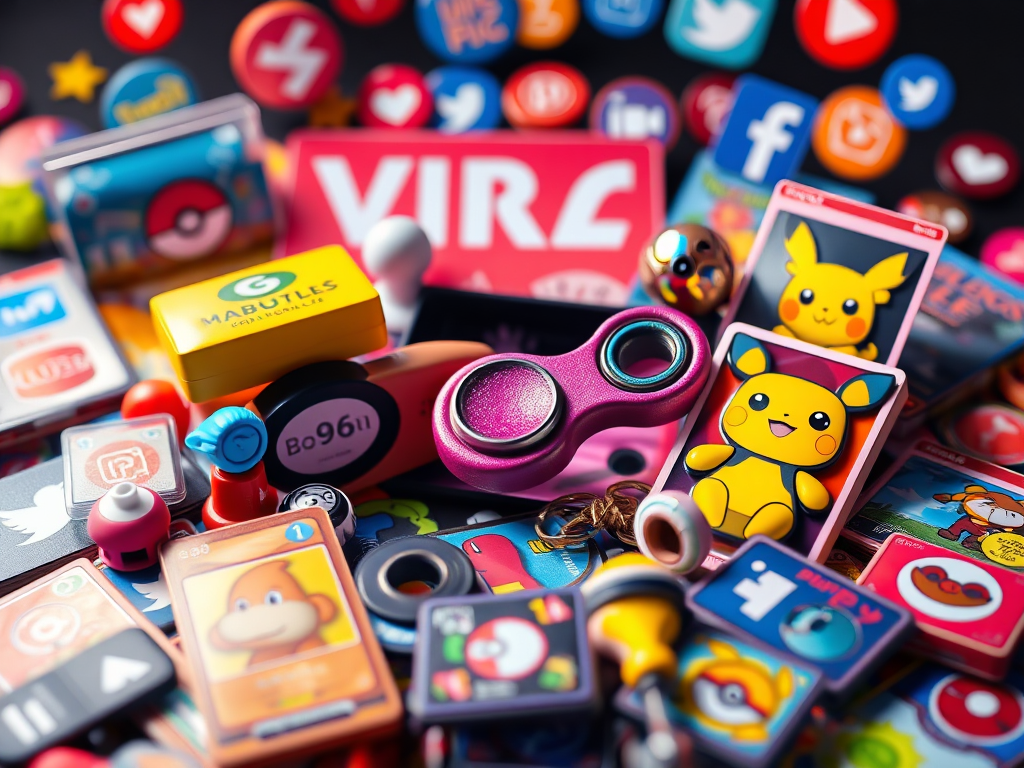
In today’s hyper-connected marketplace, certain products seem to explode into global consciousness seemingly overnight—fidget spinners, Labubu toys, Pop Mart figurines, and even the nostalgic resurgence of Pokémon cards. These aren’t just passing fads—they are powerful reflections of how modern marketing thrives in an attention economy. The viral product phenomenon offers marketers a masterclass in cultural timing, emotional design, and digital amplification.
The DNA of a Viral Product
At the heart of every viral product trend is a unique combination of simplicity, novelty, and instant appeal. Fidget spinners, for example, required no instructions—they were intuitive, tactile, and satisfying. Similarly, the wide-eyed, collectible design of Labubu toys and Sonny Angels taps into an aesthetic that is irresistibly “cute-core”—immediately recognizable, photogenic, and emotionally resonant. In an age of information overload, visual clarity and emotional accessibility are major accelerators of adoption.
But what truly catapults these products into the viral stratosphere is social media. Platforms like TikTok, Instagram, and YouTube Shorts act as global megaphones. A single unboxing video, satisfying ASMR clip, or influencer review can generate millions of views within hours. The role of influencers, from micro to mega, is pivotal. Their ability to frame a product as fun, comforting, or collectible turns curiosity into consumer demand. This digital amplification loop is often algorithmically fueled, meaning the more people engage, the further it spreads—fast.
FOMO and the Psychology of Scarcity
What separates a momentary trend from a viral phenomenon is emotional engineering. Many of these products employ psychological triggers such as FOMO (fear of missing out), collectibility, and scarcity. Blind box packaging, limited-edition drops, and surprise rarities elevate a toy or gadget into an obsession. The idea that someone else got the rare one—while you didn’t—fuels repeat purchases and word-of-mouth virality.
These mechanics turn everyday items into social currency. It’s not just about having the product—it’s about having the right product and sharing that status across social channels. And because many of these items are priced between €5 and €25, they’re impulse-friendly and giftable, reducing friction in the purchase journey. Affordability meets aspiration, and mass appeal meets niche culture.
Cultural Timing and Emotional Design
Viral products don’t exist in a vacuum—they ride the waves of cultural mood. During the pandemic, for example, Squishmallows and fidget cubes surged due to their soothing, tactile nature. In times of collective anxiety or boredom, people gravitate toward objects that offer comfort, play, or escapism. These products often succeed because they feel good—literally and emotionally. They may be simple, but they serve deep, unspoken needs for stress relief, identity expression, or nostalgic joy.
Design is key here. Successful viral products are rarely overdesigned. They are visually clean, emotionally inviting, and instantly shareable. The goal isn’t perfection—it’s emotional relevance. Brands that understand how to trigger delight, surprise, or nostalgia often find themselves riding waves of organic interest.
What Marketers Can Learn
Viral products may seem unpredictable, but they are underpinned by repeatable principles. For brands and marketers, here are the key takeaways:
- Act Fast, Stay Agile: Trends move quickly. Brands that succeed are those that are structured for rapid content creation, quick launches, and flexible messaging.
- Design for Sharing: Simplicity, visual punch, and emotional resonance make content share-worthy. Optimize for visual storytelling in short-form video.
- Leverage Community & UGC: Encourage unboxings, reaction videos, or “what did I get?” content. Empower users to become part of the marketing machine.
- Build Scarcity & Storytelling: Use limited releases, mystery elements, and serialized storytelling to create anticipation.
- Evolve or Fade: Don’t assume virality will last forever. Plan the second wave before the first one peaks—whether that means expanding the product line, releasing accessories, or re-engaging the audience with a twist.
Beyond the Hype: Sustainable Impact
While many viral products fade as quickly as they rise, some manage to evolve into lasting cultural icons. Pokémon is a prime example—once a ’90s craze, now a multi-billion dollar franchise with games, shows, and merch spanning decades. The difference is in brand evolution. Viral success is a spark; long-term strategy is the flame.
In conclusion, viral product trends—whether quirky toys or sensory gadgets—offer far more than a flash of attention. They reveal how emotion, timing, community, and storytelling drive modern purchasing decisions. For marketers in 2025, the lesson is clear: don’t just chase virality—understand it. Design for it. And once you’ve captured lightning in a bottle, have a plan to turn the spark into sustained brand magic.
 Niki Martinov