
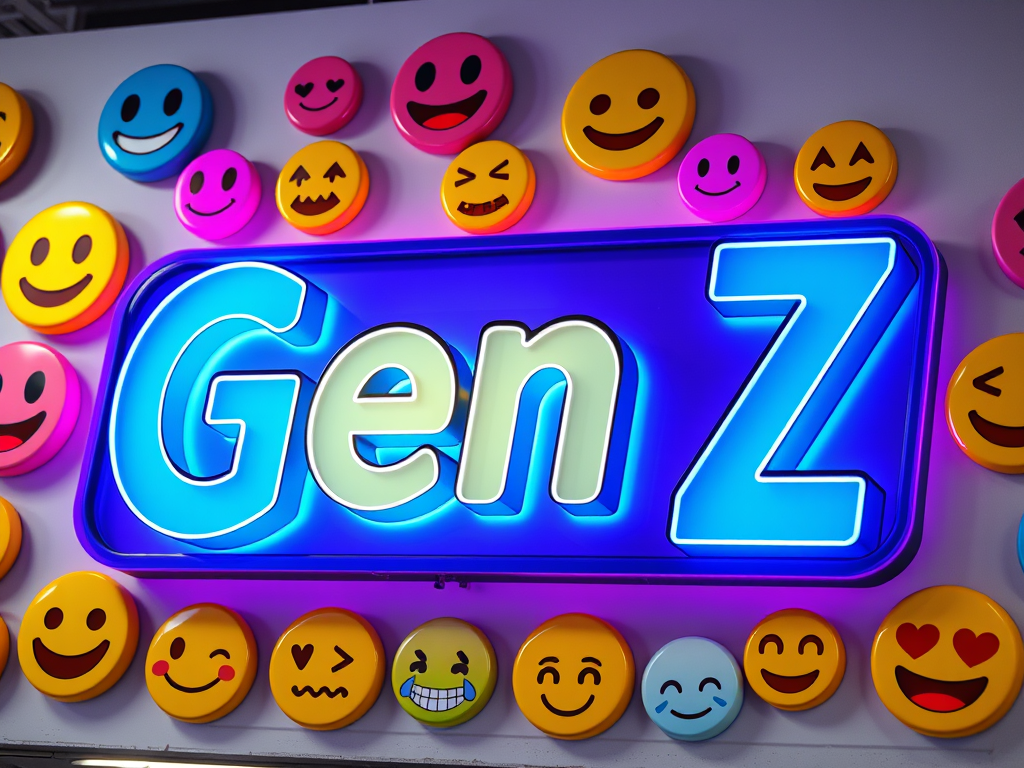
In the meticulously curated world of digital marketing, where every pixel and phrase was once polished to perfection, a rebellious and undeniably effective trend has emerged: the “unhinged” brand voice. This isn’t about chaos for its own sake, but a deliberate embrace of raw authenticity, playful imperfection, and unfiltered humor that is profoundly resonating with Generation Z. As we move further into 2025, brands are discovering that ditching corporate polish for relatable, meme-worthy, and genuinely human communication is not just a passing fad—it’s a potent strategy for building unprecedented engagement and loyalty with the most discerning demographic.
For years, brands were taught to maintain a pristine, almost untouchable image. Messaging was formal, visuals were flawless, and any hint of imperfection was carefully edited out. This approach, however, feels increasingly alienating to Gen Z, a generation that has grown up online, exposed to both the curated highlight reels and the candid, messy reality of creator content. They are inherently skeptical of traditional advertising and can spot inauthenticity from a mile away. What they crave is genuine connection, relatability, and a sense that the brands they interact with are not just selling products, but are part of their cultural conversation—flaws and all.
The “unhinged” brand voice taps directly into this desire. It manifests as quick, witty, often self-deprecating humor; a willingness to lean into internet memes and trends with surprising speed; and a general departure from overly serious or corporate tones. It’s about breaking the fourth wall, acknowledging the absurdity of online life, and speaking to consumers not as customers, but as fellow humans who understand the inside jokes of the internet.
Consider the brands that have mastered this art. Duolingo’s TikTok presence, driven by a perpetually unhinged mascot literally stalking users for not doing their lessons, has garnered millions of followers and an inimitable brand identity. Ryanair’s social media, famous for its sarcastic, often blunt replies and self-aware memes about budget travel, has turned what could be negative comments into viral engagement. Even traditionally buttoned-up brands are experimenting, recognizing that a touch of “chaotic good” can cut through the noise far more effectively than another perfectly crafted corporate announcement.
The power of this approach lies in several key psychological and cultural factors:
- Relatability: When a brand embraces imperfection or humorously acknowledges everyday struggles, it immediately becomes more relatable. It signals, “We get you.”
- Authenticity: Unpolished content feels real. It suggests there isn’t a massive, expensive marketing team meticulously crafting every word, fostering a sense of genuine connection.
- Shareability: “Unhinged” content is inherently meme-worthy and highly shareable. It leverages the social currency of humor and inside jokes, turning consumers into organic brand advocates.
- Community Building: This voice often invites direct interaction, fostering a sense of community where followers feel like they are part of a brand’s unique personality and ongoing conversation. It transcends mere transaction.
- Breaking Through the Clutter: In a feed saturated with similar-looking, algorithm-optimized content, the unexpected, the quirky, or the delightfully “unhinged” piece of content grabs attention instantly.
However, embracing an “unhinged” voice is not without its risks. It requires a deep understanding of your audience, impeccable timing, and a clear line between edgy and offensive. Brands must ensure that their “unhinged” persona remains true to their core values and product offering. Authenticity cannot be faked; a forced attempt at internet humor will quickly be perceived as cringe-worthy and can damage credibility more than traditional blandness. This means empowering a younger generation of content creators and community managers within the brand to truly speak the language.
Ultimately, the “unhinged” brand voice is a potent reflection of Gen Z’s desire for realness in a digital world. It challenges the long-held beliefs that brands must be polished and untouchable. For those willing to embrace vulnerability, humor, and a touch of delightful chaos, the opportunity to build unprecedented engagement, foster unbreakable loyalty, and genuinely resonate with the next generation of consumers is immense. In the battle for attention, sometimes the most memorable impression is made by the brand that isn’t afraid to be a little bit… human.
 Niki Martinov