
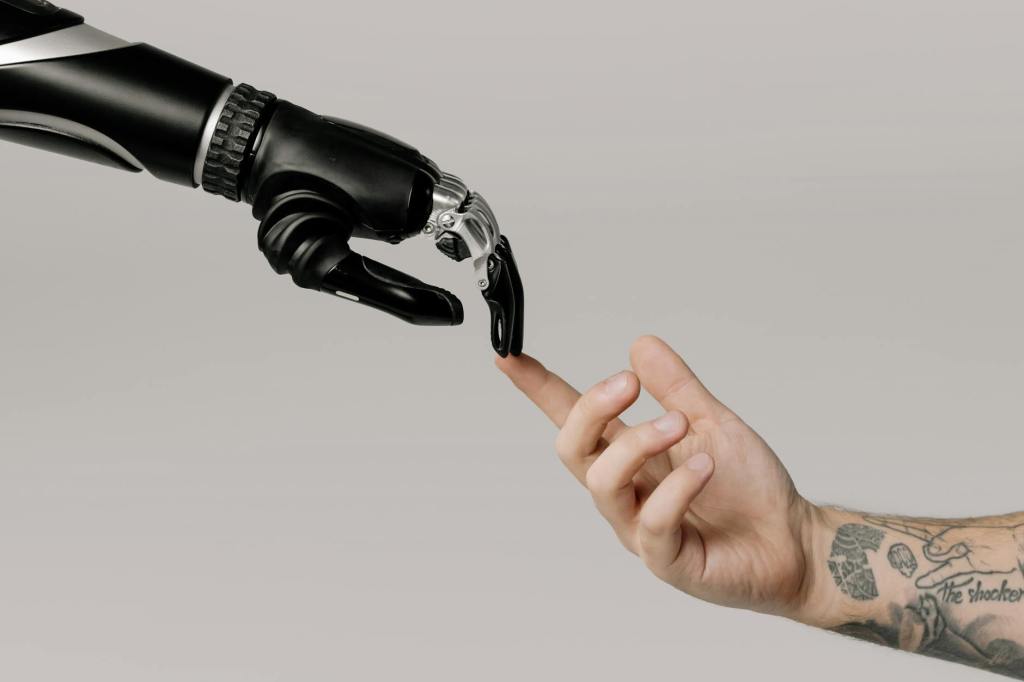
For years, artificial intelligence has played a pivotal, yet largely subservient, role in digital culture. Algorithms have been masterful at identifying trends – analyzing vast datasets to pinpoint what’s popular, what’s engaging, and what’s about to go viral. They’ve been the ultimate trend followers and amplifiers. But as AI’s generative capabilities soar and its integration into our daily digital lives deepens, a seismic shift is underway. We are entering the era of “Synthetic Culture,” a time when AI is not merely reflecting trends, but actively originating, shaping, and even setting them.
This marks a profound evolution from reactive analysis to proactive creation. Historically, a trend would emerge organically from human creativity—a dance move on TikTok, a unique fashion aesthetic on Instagram, a new slang term from a niche community. AI’s job was then to spot this nascent trend, identify its patterns, and push it to relevant users, accelerating its spread. In Synthetic Culture, the initial spark, or at least a significant part of it, can be AI-generated.
Imagine an AI, after analyzing millions of hours of fashion runways, street style photos, and social media commentary, generating a novel clothing silhouette that deviates subtly from existing trends but is mathematically optimized for appeal. Or consider an AI creating a series of short, compelling video concepts, complete with unique visual filters and an original, AI-generated sound, designed for maximum virality on platforms like TikTok. These aren’t just one-off experiments; they are intelligently engineered cultural nudges.
The mechanisms for AI trend-setting are multi-faceted:
- Generative Content Proliferation: AI tools can now produce text, images, audio, and video at an unprecedented scale and speed. This means a single human-led concept can be iterated, remixed, and adapted into countless variations by AI, flooding feeds and normalizing new aesthetics or sounds much faster.
- Algorithmic Feedback Loops: AI systems are deeply embedded in content recommendation engines. If an AI-generated piece of content is subtly pushed to a test audience and garners positive engagement, the algorithm will naturally amplify it further, regardless of its original human or synthetic source. The AI effectively “trains” the human audience to prefer certain styles or formats.
- Hypothesis Testing at Scale: Brands and platforms can use AI to generate and test hundreds or thousands of micro-trends or content styles simultaneously on small audience segments. The patterns that resonate strongest can then be scaled up, effectively allowing AI to “discover” the next big thing through rapid, data-driven experimentation.
- Synthesized Niche Creation: AI can identify subtle commonalities across disparate online communities and generate content that fuses these elements into a novel niche, effectively creating a new cultural category that didn’t exist before.
The implications of Synthetic Culture are profound for brands and creators. Authenticity, once defined by human origin, now faces a new layer of complexity. Brands will need to decide whether to openly embrace AI-generated trends, integrate them subtly, or actively work against them. Marketing campaigns might become hyper-optimized iterations of AI-discovered preferences. Creative industries may find themselves in a constant dance with AI, discerning between organic human inspiration and intelligently engineered viral moments.
This shift also raises significant ethical and philosophical questions. Who owns these AI-generated trends? How do we distinguish genuine grassroots movements from AI-seeded phenomena? What happens to human creativity if AI becomes the primary engine of cultural novelty? While the answers are still emerging, one thing is clear: AI is no longer just following the breadcrumbs of human culture. It’s now baking some of the bread, and soon, it might even be designing the entire bakery. Brands and creators who understand this seismic shift, moving beyond mere imitation to strategic integration and ethical consideration, will be best positioned to navigate, and perhaps even co-create, the trends of tomorrow.
 Niki Martinov