
For decades, marketing has operated on a simple principle: brands tell their story, and audiences listen. But in today’s hyper-connected culture, that one-way conversation has been completely upended. The rise of digital communities, social media platforms, and participatory culture has shifted the balance of power from corporations to consumers. Fans are no longer passive recipients of marketing messages—they are active co-creators of brand meaning. In 2025, the most successful companies are those that don’t just build audiences; they cultivate fandoms, transforming loyal customers into passionate communities that amplify their message far more powerfully than any traditional ad spend.
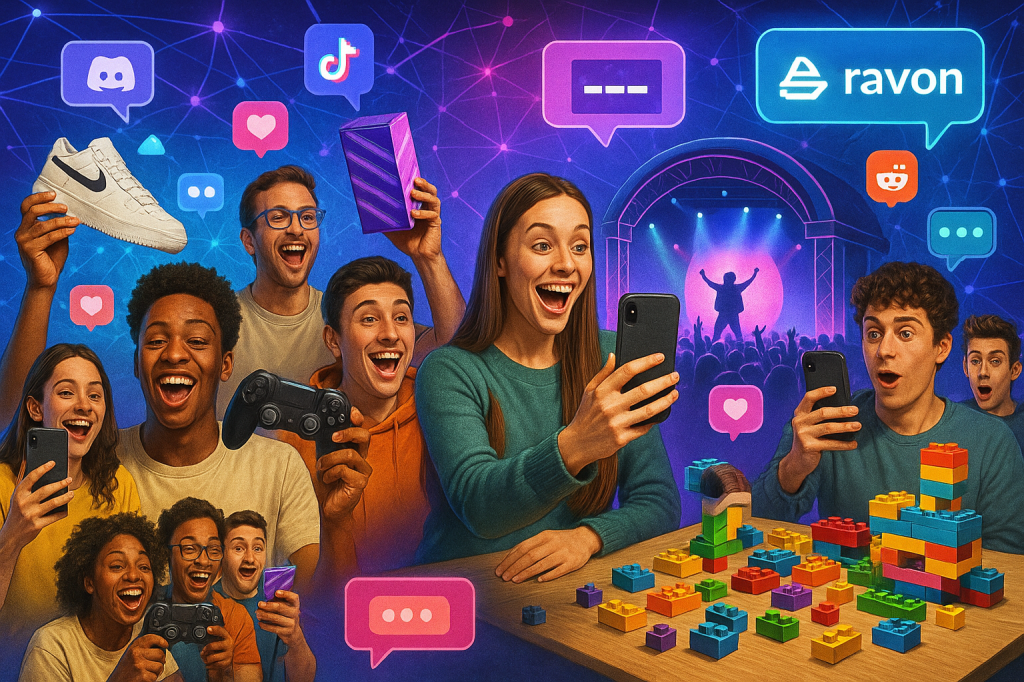
Fan culture has always existed, from Beatles fans in the 1960s to “Trekkies” in the 1980s. But what’s different today is the scale, speed, and visibility of fandom in the digital age. Platforms like TikTok, Discord, and Reddit allow fans to create memes, theories, mashups, and even new cultural narratives around a brand within hours of a product release. This participatory energy means that the audience often defines the cultural footprint of a brand more than the brand itself does. Think of how K-pop fandoms like BTS’s ARMY mobilize globally, or how video game fans build entire ecosystems of content around titles like Fortnite or Minecraft. The energy of these communities has not gone unnoticed by marketers.
Forward-thinking brands are learning that to thrive in this environment, they must stop trying to control the narrative and instead provide spaces and tools that empower their communities to shape it. Nike, for example, doesn’t just sell sneakers; it fosters a culture of sneakerheads who trade, customize, and showcase designs as part of their identity. Similarly, Lego has embraced its fans by turning user-generated designs into official products through its Lego Ideas program. By acknowledging fans as co-creators rather than consumers, these brands unlock a deeper emotional bond and ongoing engagement that goes far beyond a one-off purchase.
One of the defining characteristics of fandom-driven marketing is identity alignment. Fans don’t just buy products; they integrate brands into their sense of self. This creates a powerful cycle where fans advocate for the brand not because they were paid to, but because the brand represents who they are and what they value. That authenticity is priceless in an era where Gen Z and younger millennials can spot traditional advertising a mile away. A recommendation from a fellow fan carries far more weight than the slickest marketing campaign.
However, this cultural shift also comes with challenges. Fans are deeply invested, and that means they hold brands to higher standards. Missteps can trigger backlash quickly, with fan communities mobilizing against a brand just as powerfully as they once supported it. The Star Wars franchise has seen firsthand how divisive decisions can ignite years of debate and even fan-led boycotts. This means brands must approach fandom with humility, transparency, and a genuine willingness to listen. In this sense, community management has become as critical as creative direction in modern marketing.
The future of marketing lies in what could be called branddoms—brands that function more like cultural ecosystems than companies. These branddoms thrive when they create platforms, narratives, and experiences that fans can actively participate in. From fan-created TikTok trends to collaborative product design, the line between brand and audience is blurring into a shared space of creativity and identity.
Ultimately, the lesson is clear: in a world where attention is scarce and trust is fragile, fandom is the most powerful currency a brand can earn. Companies that embrace this reality and empower their communities will find themselves not just selling products, but shaping culture. In the age of branddoms, marketing isn’t about broadcasting messages—it’s about building movements.
 Niki Martinov