
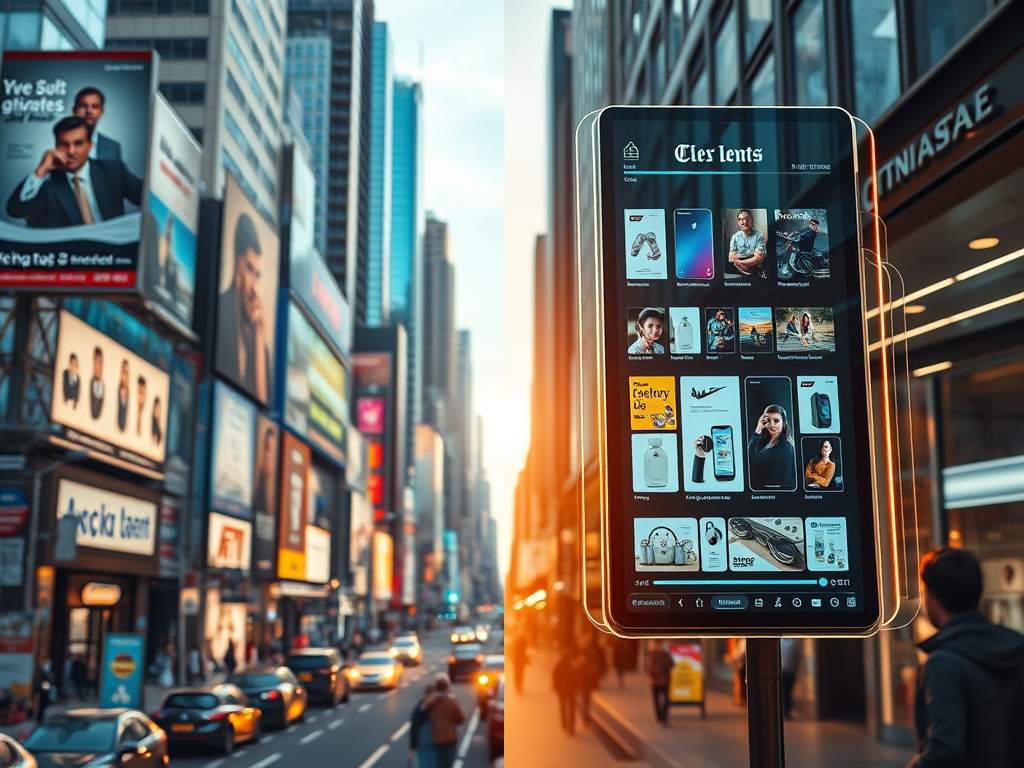
The digital advertising world is on the brink of its next great transformation, one that moves far beyond demographic targeting or generic segmentation. The future lies in truly personalized advertising—where each user, not just each audience segment, receives a unique message crafted precisely for their interests, context, and moment in time. The dream of a one-to-one ad experience, once considered impractical, is quickly becoming a reality thanks to advancements in artificial intelligence, data analytics, and generative content technologies.
From Segmentation to Singularization
For decades, advertisers have relied on broad segmentation strategies—age groups, income brackets, or lifestyle categories—to reach their audiences. While effective in a general sense, these methods often overlooked the nuances of individual preference and behavior. A 30-year-old urban professional who loves hiking and indie music, for example, would receive the same ad as another 30-year-old professional who prefers gaming and fine dining. The limitation is obvious: people are not segments; they are individuals.
Now, with the rise of AI-powered analytics, machine learning, and generative ad tech, advertising can move from segmentation to singularization. Instead of targeting “someone like you,” brands can deliver ads that feel designed specifically for you.
How Personalized Advertising Will Work
The mechanics of hyper-personalized ads are already taking shape. AI engines can now analyze browsing behavior, purchase history, search intent, and even contextual signals like time of day, location, or mood inferred from online activity. Generative AI tools can then create ad variations—different visuals, headlines, product recommendations, and calls-to-action—instantly, ensuring the message feels uniquely relevant to the user.
Imagine opening Instagram and seeing an ad for sneakers styled with your favorite colors, matched to your browsing history, paired with a soundtrack similar to the music you’ve been streaming, and featuring a local store near you. Meanwhile, your friend—also seeing an ad for the same brand—gets a completely different experience tailored to their preferences. The product is the same, but the presentation is uniquely personal.
The Benefits for Brands and Consumers
For brands, the value is clear: higher engagement, stronger conversion rates, and more efficient use of ad spend. Instead of wasting impressions on irrelevant creative, every ad dollar can work harder by speaking directly to the consumer’s wants and needs.
For consumers, personalized ads—when done ethically—transform marketing from an annoyance into a service. Instead of being bombarded by irrelevant promotions, users receive recommendations that genuinely add value, solve problems, or enhance their lives. In theory, this future promises a world where advertising feels less like intrusion and more like assistance.
The Challenges Ahead
Yet, the path to hyper-personalization is not without obstacles. Privacy is the biggest concern. Collecting, storing, and analyzing the kind of granular data required for true one-to-one personalization raises serious ethical and regulatory questions. With GDPR in Europe and similar frameworks spreading globally, brands must tread carefully to ensure transparency, consent, and data security.
Another challenge is authenticity. If personalization feels too invasive—ads that seem to “know too much”—users may push back. The uncanny valley of advertising, where the personalization is accurate but uncomfortable, could erode trust rather than build it. Striking the right balance between relevance and respect will be critical.
There’s also the creative challenge. With thousands of ad variations being generated in real time, brands risk losing cohesion in their identity. A future where AI crafts millions of unique ads must still be anchored by a clear brand voice, consistent values, and recognizable storytelling. The technology should enhance, not dilute, what makes a brand distinct.
The Shift in Industry Roles
This transformation will also reshape roles in marketing and advertising. Creative professionals may shift from crafting individual ad creatives to defining the frameworks, themes, and guidelines that AI systems use to generate countless variations. Data strategists will become central players, ensuring personalization is guided by ethical and effective insights. Instead of focusing solely on content production, marketers will increasingly oversee distribution strategy, narrative integrity, and consumer trust.
A Future of Hyper-Relevance
The future of online personalized advertising is not just about better targeting—it’s about creating a digital world where every ad is as unique as the person who sees it. Done well, it could redefine advertising’s reputation, transforming it from background noise to an integral, valued part of the user experience. Done poorly, it risks alienating audiences and amplifying distrust.
The winners in this future will be the brands that master the delicate balance: delivering ads that feel deeply relevant without feeling invasive, harnessing AI’s infinite creative potential while maintaining a consistent and authentic brand identity.
In a few years, the question will no longer be whether personalization works—it will be whether brands can afford not to make every ad personal.
 Niki Martinov