
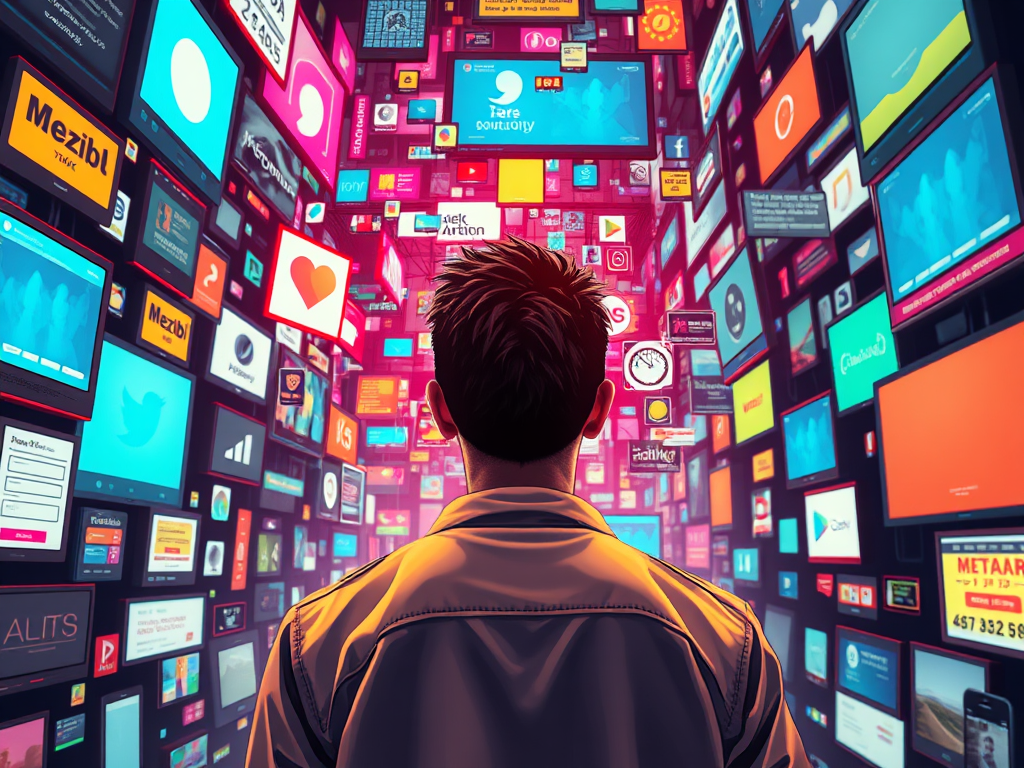
In today’s digital economy, the most valuable resource isn’t data, money, or even time—it’s attention. Every brand, creator, and business is fighting for a few fleeting moments of focus in an environment flooded with noise. Notifications, endless feeds, streaming platforms, and ads compete for our mental bandwidth, leaving attention fragmented and increasingly scarce. In 2025, attention has become the ultimate currency, and the brands that know how to earn it are the ones that thrive.
Why Attention Has Become Scarce
The average consumer is exposed to thousands of marketing messages every day. From billboards on the commute to targeted Instagram ads, attention is constantly being pulled in different directions. Add the rise of multitasking—scrolling TikTok while watching Netflix, or listening to a podcast while answering emails—and focus becomes a rare commodity.
This scarcity is exactly what gives attention its value. Just as scarcity drives up the price of gold, the limited supply of consumer focus makes it the most expensive currency in modern marketing. A brand that can capture and hold attention, even briefly, gains an advantage money alone can’t buy.
The Crisis of Cognitive Overload
Consumers today live in a state of perpetual distraction. Studies show our ability to sustain focus has shrunk not because of lower intelligence, but because we are forced to process information in fractured, high-speed intervals. Traditional, sequential advertising—like 30-second TV spots—struggles to break through. Brands must now prove their value within the first three seconds or risk being instantly scrolled past.
This cognitive overload has forced marketing to evolve. Success is no longer about shouting the loudest or having the biggest budget; it’s about being the smartest, fastest, and most authentic in earning attention.
The New Economics of Attention
In the past, businesses measured success by impressions and sales. But impressions don’t equal impact. A passive scroll-by is not the same as engaged focus. Today, stronger indicators include:
- Watch time
- Interaction rates
- Saves and shares
Tech platforms understand this better than anyone. TikTok’s algorithm rewards hooks that keep users engaged. YouTube prioritizes creators with higher watch times. Even Netflix builds strategies around binge-worthiness. The more attention they hold, the more profitable they become.
For brands, the lesson is clear: attention isn’t free—it must be earned, nurtured, and invested wisely.
How to Earn Attention in a Distracted World
1. Lead with Emotion, Not Features
Facts inform, but emotions captivate. Campaigns that inspire, amuse, or provoke stand out amid the noise. Emotional storytelling remains one of the most effective ways to cut through distraction.
2. Master Micro-Content
Short, impactful formats—like TikToks and Instagram Reels—are the new language of attention. Content must be “snackable,” mobile-first, and designed to deliver value in seconds. Hooks aren’t optional; they’re survival.
3. Embrace Authenticity and Imperfection
Audiences are skeptical of sterile, overproduced campaigns. They crave human moments, behind-the-scenes glimpses, and unscripted interactions. Radical authenticity builds trust where polish often fails.
4. Deliver Value Every Time
Attention must feel like an exchange, not an interruption. Brands that succeed position themselves as resources—offering quick tips, tutorials, or insights that educate, solve problems, or entertain.
5. Use Sound and Sensory Cues
In a visually oversaturated market, audio provides a shortcut to memory and emotion. Sonic branding, sound logos, and distinctive audio cues create instant recognition and stand out in voice-driven environments.
6. Create Experiences, Not Just Content
Static ads rarely break through anymore. Interactive campaigns, live Q&As, or immersive activations engage consumers more deeply because they require participation, not just passive viewing.
7. Build Communities and Micro-Moments
The ultimate goal of earning attention is to transform fleeting focus into durable relationships. Micro-influencers, niche forums, and private groups often produce higher-quality engagement than mass reach. Community is where attention becomes loyalty.
Case Studies: Brands Winning the Attention Game
- Nike: With “You Can’t Stop Us,” Nike used emotional storytelling that transcended sports and sparked global conversation.
- Spotify Wrapped: By turning user data into personalized, shareable stories, Spotify created a cultural phenomenon every December.
- Duolingo: Its playful TikTok presence shows how humor and personality can capture attention in crowded digital spaces.
These examples highlight that attention is not earned by being louder, but by being more human, relevant, and engaging.
The Risk of Ignoring Attention
Brands that fail to adapt risk becoming invisible. In a distracted world, indifference is the true death of relevance. The cost isn’t just lower engagement—it’s missed opportunities for connection, loyalty, and long-term growth. Competing for attention is no longer optional; it’s the foundation of brand survival.
Final Thoughts
Attention is the most valuable currency in the digital age—scarce, fragile, and incredibly powerful when harnessed. To earn it, brands must move beyond vanity metrics and superficial reach. They must create experiences that resonate emotionally, provide genuine value, and respect the limited focus consumers are willing to give.
In a world overflowing with distractions, the brands that succeed won’t be those that demand attention, but those that deserve it.
 Niki Martinov