
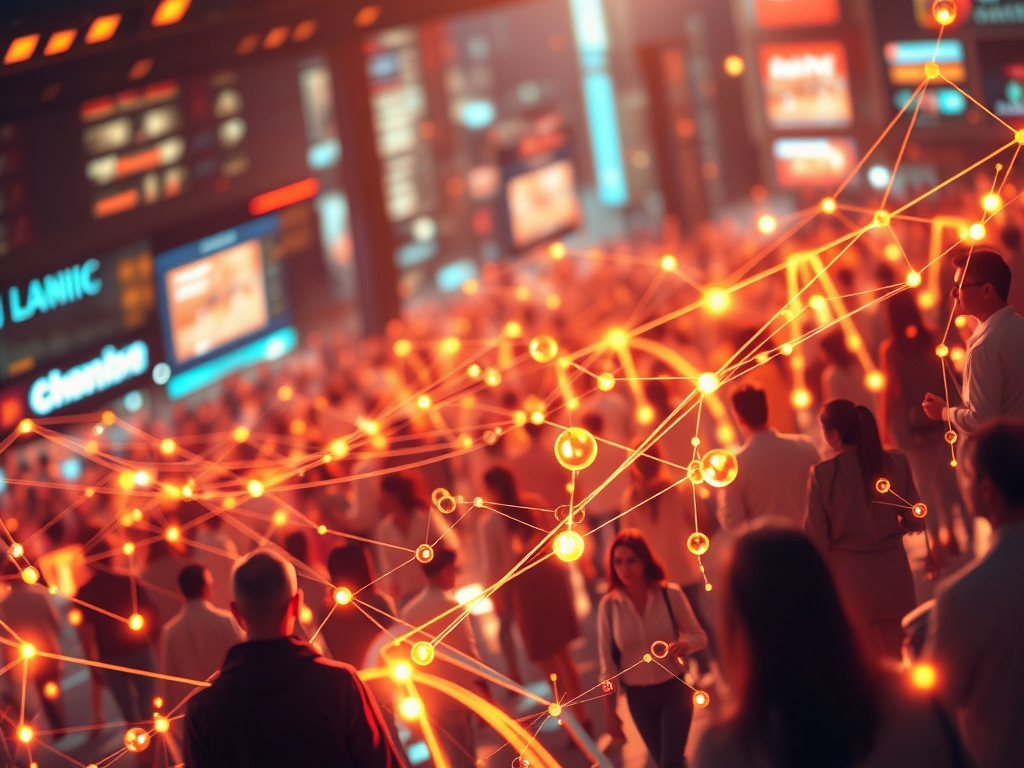
For decades, marketers have defined audiences using broad demographic categories—age, gender, income, location. While these metrics once provided useful starting points, they no longer capture the complexity of modern consumers. People today don’t fit neatly into traditional boxes. A 25-year-old woman in New York might have more in common with a 50-year-old man in Berlin who shares her interests, values, and digital behavior than with someone her own age and gender. In 2025, artificial intelligence is reshaping how we understand audiences, pushing marketing far beyond demographics and into the realm of intent, emotion, and context.
From Static Segments to Dynamic Understanding
Traditional audience targeting was largely static. Marketers defined personas—”working moms,” “young professionals,” “tech enthusiasts”—and built campaigns around those assumptions. The problem is that real people constantly evolve. Interests shift, priorities change, and digital habits adapt to new technologies. AI allows brands to move from this rigid, one-dimensional approach to a living, breathing model of audience understanding.
Machine learning systems can analyze massive amounts of behavioral data—search patterns, content engagement, purchase history, even sentiment expressed in comments or reviews. Instead of categorizing people by who they are on paper, AI helps brands understand what they care about and why they act. This deeper understanding enables hyper-relevant messaging that feels personalized without being intrusive.
Beyond the “Who” — Understanding the “Why”
AI-powered targeting doesn’t just answer who your audience is; it uncovers why they behave the way they do. Through natural language processing and predictive analytics, AI identifies emotional triggers, motivations, and micro-moments of intent.
For instance, a skincare brand might discover that its “millennial female” audience is actually divided into two distinct behavior clusters—one driven by eco-conscious values, another motivated by self-care and stress relief. With this insight, the brand can tailor its messaging accordingly: sustainability for one group, emotional wellness for the other. The end result is marketing that resonates on a human level, rather than treating all consumers as data points.
Real-Time Adaptation
Another strength of AI targeting lies in agility. Traditional market research might take months to produce actionable insights. AI systems, on the other hand, analyze behavior in real time and adjust campaigns instantly. If an audience suddenly shifts its interests or reacts strongly to a social issue, AI can detect the change and reallocate budget, rephrase ad copy, or prioritize new creative assets.
This dynamic responsiveness is invaluable in a world where cultural trends can rise and fade in days. For brands, it means never being caught off guard and always staying aligned with the evolving mindset of their audience.
Ethical and Privacy Considerations
Of course, this level of precision raises important questions about privacy and ethics. Consumers are becoming increasingly aware—and wary—of how their data is used. The key for brands is transparency. Data-driven personalization should empower the audience, not exploit it.
Ethical AI targeting involves collecting consent-based, first-party data and using it responsibly. It also means avoiding discriminatory patterns and ensuring that algorithmic decisions are audited for bias. In 2025, the brands that succeed will be those that use AI not as a surveillance tool, but as a way to genuinely understand and serve people better.
Case Studies of AI-Powered Targeting
Brands across industries are already showing what this new era looks like in practice. Streaming services like Netflix use AI to recommend content based on viewing patterns and emotional tone, creating personalized experiences for millions of users daily. Retailers like Sephora combine behavioral data and AI chatbots to tailor product recommendations in real time. Even automakers and banks are using predictive analytics to anticipate customer needs before they arise, shifting from reactive marketing to proactive relationship-building.
These examples demonstrate that the power of AI lies not in knowing everything about consumers, but in interpreting patterns that reflect their evolving desires.
The Future of Audience Targeting
As AI systems grow more sophisticated, the line between market research, content creation, and personalization will blur. Instead of targeting audiences with ads, brands will increasingly create ecosystems of relevance—spaces where people feel seen, understood, and valued. AI will allow for predictive empathy: the ability to anticipate needs and emotions before they’re expressed.
In this future, success won’t come from blasting the most data-rich ads, but from building authentic relationships at scale. Brands that harness AI to enhance human understanding—not replace it—will lead the next chapter of marketing.
Final Thoughts
AI-powered audience targeting represents a seismic shift in marketing. It moves us from demographics to dynamics, from broad assumptions to individual insight. By focusing on intent, behavior, and emotional context, brands can create messages that resonate with precision and authenticity.
In the end, technology’s greatest gift is not the ability to segment people more finely, but to understand them more deeply. The brands that remember this will stand out—not because they know everything about their audience, but because they truly connect with them.
 Niki Martinov