
Tag: Branding
-
Co-Branding Strategies: The Power of Partnership
In today’s competitive market, co-branding is a strategic collaboration between brands, enhancing reach and credibility. Successful partnerships, like Nike and Apple, create synergies that increase brand awareness and consumer trust. However, careful planning and alignment of values are essential to mitigate risks and ensure mutual benefits in co-branding endeavors.
-
Dressing for Success: The Role of Appearance in Personal Branding
In today’s visually-driven world, appearance significantly impacts personal branding. Your attire communicates your identity, values, and professionalism. Successful figures illustrate the power of a consistent style. To build your brand, align clothing choices with core values while maintaining authenticity. Attention to grooming further enhances perceived professionalism, leading to lasting success.
-
How Legacy Brands Achieve Long-Lasting Success
Building a lasting brand demands authenticity, adaptability, and emotional consumer connections. Legacy brands like Coca-Cola and Apple thrive by defining clear identities, maintaining consistency, embracing innovation, fostering community, and investing in quality. Prioritizing long-term vision over short-term gains enables these brands to remain relevant and trusted across generations, ensuring their enduring success.
-
How Color Shapes Brand Perception
Color is a powerful psychological tool in marketing, influencing emotions, decisions, and brand perception. Companies strategically choose colors to evoke specific responses, impacting brand recognition and consumer behavior. Cultural nuances affect color associations, highlighting the importance of tailored strategies. Ultimately, effective color use enhances engagement, trust, and conversions, creating a lasting impression.
-
Maximizing Engagement Through Effective Event Marketing
Event marketing leverages live experiences to create memorable connections, enhancing brand awareness and customer loyalty beyond digital marketing limitations. Through careful planning and engagement strategies, brands can differentiate themselves and gather valuable audience insights. Integrating digital platforms further amplifies reach, making event marketing a vital tool in today’s marketplace.
-
5 Strategies to Make Customers Feel Special
In a competitive market, nurturing customer loyalty is crucial. Strategies to make customers feel like VIPs include personalization, exclusive offers, exceptional service, celebrating milestones, and valuing feedback. These actions create meaningful connections and foster a loyal customer base, ultimately encouraging repeat business and advocacy while maintaining a balance to avoid overwhelming customers.
-
The Future of Customer Experience: Merging Digital and Physical Touchpoints
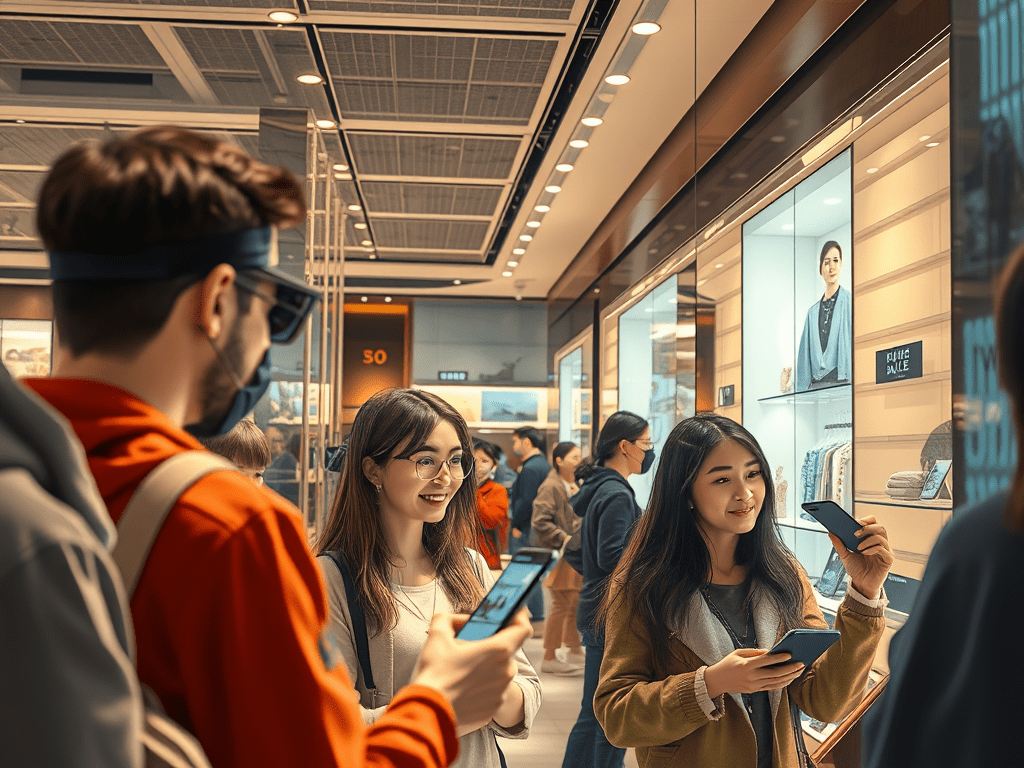
The evolution of customer experience is characterized by the fusion of digital and physical elements, termed “phygital.” Brands leveraging technologies like AI, AR, and mobile apps can create seamless, personalized interactions that meet consumer expectations. This hybrid approach fosters stronger loyalty and satisfaction, setting brands apart in a competitive market.
-
Building a Strong Personal Brand with Instagram and TikTok

In a digital-first world, Instagram and TikTok are essential for personal branding. Instagram focuses on polished visuals and storytelling, while TikTok encourages authentic, engaging video content. To grow your brand, define your identity, create cohesive content, engage with audiences, and cross-promote. Analyzing performance helps refine strategies for success.

