
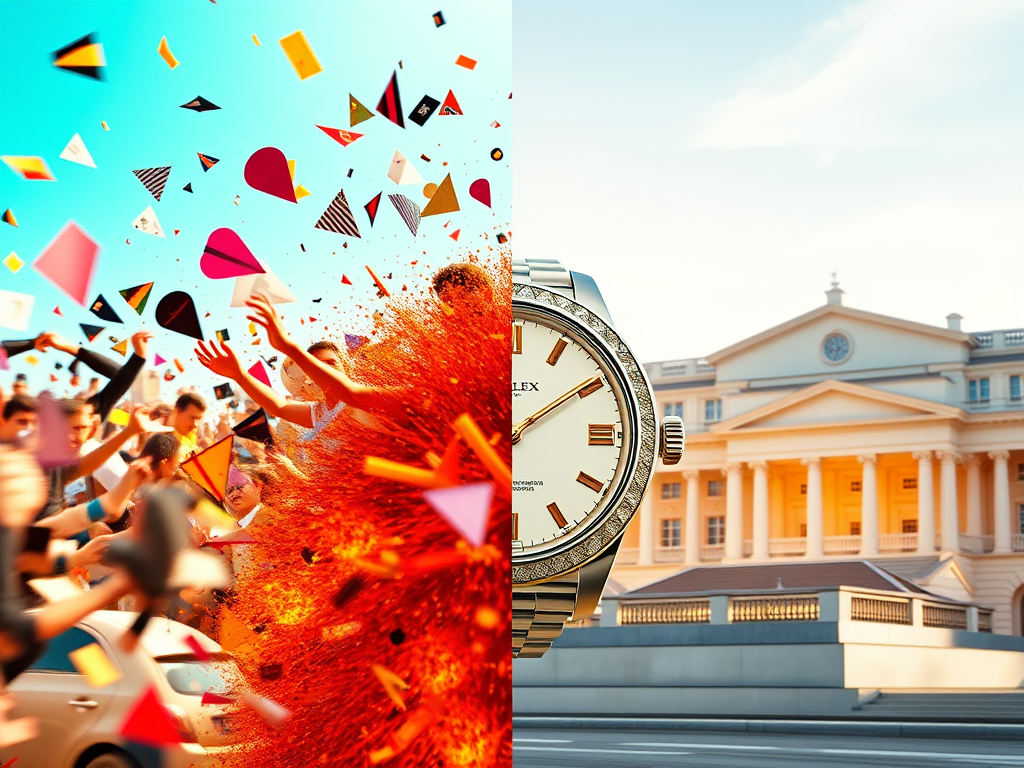
In the modern marketing landscape, brands still face a dilemma as old as commerce itself but increasingly amplified by the speed of today’s digital culture: should they chase the fleeting excitement of trends, or invest in the timeless foundation of permanence? The tension between the ephemeral and the eternal has never been sharper. Platforms like TikTok and Instagram thrive on short-lived virality, where a meme, a sound, or a hashtag can catapult a brand into the spotlight overnight. Yet just as quickly, the spotlight shifts, leaving many wondering whether the pursuit of trends builds lasting equity or merely burns through attention in exchange for a few moments of relevance.
On one hand, ephemeral content offers undeniable advantages. For brands eager to demonstrate cultural fluency, agility, and relatability, trend-chasing provides an opportunity to meet consumers exactly where they are. The immediacy of memes, challenges, and viral moments allows a brand to showcase personality and create buzz. Consider how Duolingo’s irreverent TikTok mascot leveraged memes to turn a language-learning app into a cultural phenomenon, or how Wendy’s quick wit on Twitter transformed the chain’s brand voice into something instantly recognizable. In these cases, leaning into trends built awareness and deepened consumer connection. The catch, however, is that attention gathered this way is inherently fragile. Today’s viral triumph is tomorrow’s forgotten scroll.
On the other hand, there is the enduring power of permanence: timeless brand identity, heritage storytelling, and consistent values. Luxury brands like Hermès or Rolex demonstrate the value of patience and continuity. They do not chase every cultural wave; instead, they invest in cultivating an image so strong, so unchanging, that it becomes aspirational precisely because it resists ephemerality. Permanence ensures stability, offering consumers a sense of trust, continuity, and identity that doesn’t expire when the next viral sound fades away. This does not mean permanence is static—these brands evolve subtly, but they do so without sacrificing their core DNA.
The reality for most brands lies not in choosing one side over the other but in striking the right balance between ephemeral play and eternal investment. Trend-chasing can provide oxygen, injecting freshness and attention into the brand’s presence. However, it must always ladder back to something deeper and more enduring: values, purpose, and a coherent identity. A playful TikTok challenge may spark short-term engagement, but unless it reinforces the brand’s larger story, it risks being a distraction rather than a building block. Similarly, timeless branding without the occasional injection of cultural relevance can risk appearing stale or out of touch with modern consumers.
The most successful brands in 2025 are those that operate with a dual lens. They treat ephemeral content as a tool—a way to show humanity, humor, or agility in the moment—while investing their true energy into crafting a brand identity that outlasts platforms and algorithms. The key lies in clarity: knowing what the brand stands for and ensuring every fleeting trend participation is filtered through that permanent foundation.
In the end, the question isn’t whether brands should chase trends or invest in permanence—it’s how they can master both. The ephemeral creates sparks, while the eternal keeps the fire burning. Brands that learn to balance these forces will not only win attention today but also remain relevant tomorrow.

