
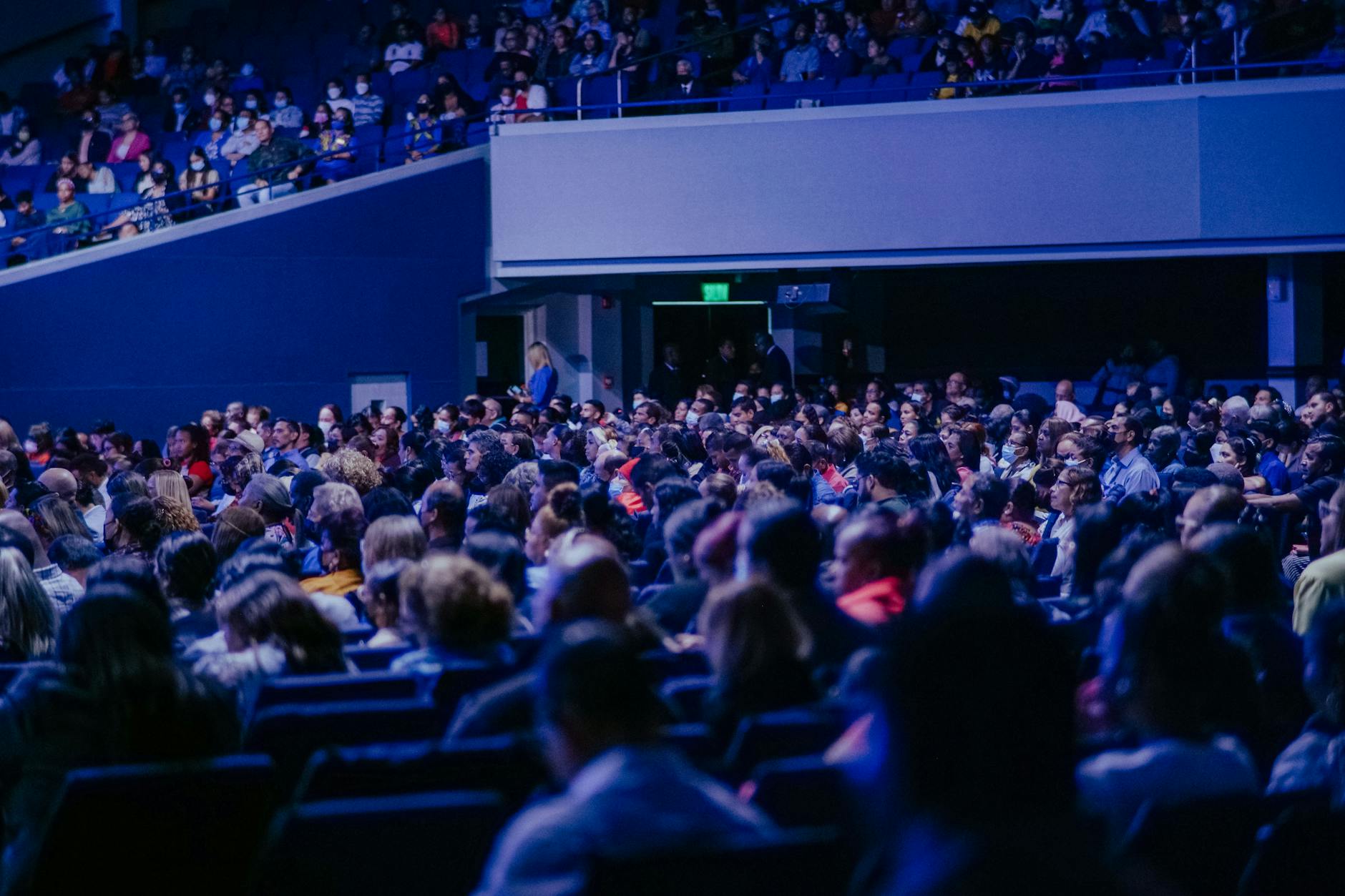
After years of digital overload, algorithm-driven feeds, and endless online advertising, consumers are beginning to crave something many brands overlooked for too long: real-world experiences. In 2026, one of the biggest shifts in marketing is the return of offline engagement. Physical activations, immersive brand experiences, pop-ups, sensory design, and community-driven events are becoming central to modern marketing strategies once again.
This does not mean digital marketing is disappearing. Instead, brands are realizing that the future lies in blending digital convenience with meaningful real-world interaction. Consumers want experiences they can feel, remember, photograph, share, and emotionally connect with. As a result, IRL activations and sensory marketing are emerging as some of the most powerful tools for building brand loyalty and cultural relevance.
For over a decade, brands focused heavily on optimizing digital visibility. Social media campaigns, performance marketing, AI-generated content, and ecommerce growth dominated marketing conversations. While these tools remain essential, audiences have become increasingly fatigued by constant digital stimulation.
Consumers today spend hours scrolling through highly curated feeds filled with advertisements, sponsored posts, and repetitive content. Attention spans are shrinking while emotional engagement is becoming harder to achieve. In this environment, purely digital campaigns often struggle to create lasting impressions.
Offline experiences offer something digital content cannot fully replicate: physical presence and emotional immersion. A well-designed real-world experience activates multiple senses simultaneously, making it more memorable and emotionally impactful than a standard online advertisement.
The Rise of Experience-Driven Branding
Modern consumers increasingly value experiences over possessions. This shift is particularly strong among Millennials and Generation Z, who often prioritize memorable moments, social connection, and emotional resonance.
Brands are responding by transforming marketing into experiential storytelling. Instead of simply promoting products, they create environments and events that allow audiences to interact with the brand physically and emotionally.
Pop-up stores, immersive installations, branded cafés, interactive exhibitions, wellness retreats, and community events are becoming common components of marketing strategies in 2026. These experiences blur the line between retail, entertainment, and culture.
For example, beauty brands are creating immersive spaces where visitors can test products, attend workshops, and share content socially. Fashion brands are designing experiential showrooms that feel more like curated art spaces than traditional stores. Technology companies are hosting hands-on experiences that allow consumers to interact with products in meaningful ways.
Sensory Marketing and Emotional Memory
One of the most powerful aspects of offline branding is sensory marketing. Human memory is strongly connected to sensory experiences. Sound, scent, texture, lighting, and atmosphere all influence emotional perception and recall.
Digital marketing primarily engages sight and sound. Physical experiences, however, can engage all five senses simultaneously. This creates stronger emotional connections and deeper brand memorability.
Luxury hotels have long used signature scents to create brand recognition. Retail spaces use lighting and music to shape mood and behavior. Cafés and hospitality brands design environments that encourage comfort, relaxation, or social interaction.
In 2026, more brands are intentionally designing sensory identities alongside visual identities. A brand is no longer defined only by its logo or color palette. It is defined by how it feels in physical space.
This emotional dimension is increasingly important in a market where visual branding alone has become highly saturated.
The Social Media Effect on Offline Experiences
Ironically, one of the reasons offline experiences are becoming more valuable is because of social media itself. Physical activations create highly shareable moments that extend far beyond the event.
Consumers increasingly seek experiences that feel unique and visually interesting enough to document online. Brands are designing spaces with social sharing in mind, incorporating interactive installations, aesthetic interiors, and visually striking details that encourage organic content creation.
This creates a powerful feedback loop. Offline experiences generate online visibility, while social media amplifies the reach of physical events.
Successful activations are therefore designed not only for the people attending in person, but also for the larger digital audience that experiences them indirectly through shared content.
Community as the New Marketing Strategy
Another major reason offline activations are returning is the growing importance of community. Consumers are becoming more selective about the brands they engage with, and many are seeking a stronger sense of belonging.
Physical events allow brands to build real-world communities around shared interests and lifestyles. Wellness workshops, creator meetups, fashion launches, book clubs, fitness events, and cultural experiences all create opportunities for people to connect not only with the brand, but with each other.
This shift reflects a broader transformation in marketing. Brands are moving away from transactional relationships and toward community-driven ecosystems.
Companies that successfully foster community often develop stronger emotional loyalty because consumers feel personally connected to the experience and identity surrounding the brand.
Blending Digital and Physical Experiences
The future of marketing is not purely offline or purely digital. It is hybrid. The most effective strategies in 2026 combine both environments seamlessly.
Digital tools enhance physical experiences through QR integrations, augmented reality, live streaming, personalized event apps, and AI-powered interactions. Meanwhile, physical experiences provide the emotional depth and memorability that digital content often lacks.
For example, a fashion brand might launch a physical pop-up experience while simultaneously creating exclusive digital content and livestream access for online audiences. A beauty brand may use augmented reality mirrors within a retail activation while encouraging social sharing through interactive content stations.
The goal is to create connected experiences that move fluidly between digital and real-world touchpoints.
Why Emotional Connection Matters More Than Ever
As AI-generated content becomes more widespread, emotional connection is becoming one of the few truly defensible advantages for brands. Consumers can increasingly recognize generic digital marketing, making human-centered experiences more valuable.
Offline activations create moments that feel tangible, emotional, and personal. They provide opportunities for brands to create memories rather than simply impressions.
In many ways, this represents a return to one of the oldest principles of branding: people remember how experiences made them feel.
Conclusion
The resurgence of offline experiences in 2026 reflects a growing desire for connection, immersion, and authenticity in an increasingly digital world. Consumers are no longer satisfied with passive online engagement alone. They want experiences that stimulate the senses, create emotional resonance, and foster real-world interaction.
IRL activations, sensory branding, and community-driven events are becoming essential because they provide what digital marketing often cannot: presence, atmosphere, and memory.
The brands that thrive in this new era will not abandon digital marketing. Instead, they will learn how to combine digital reach with physical emotion, creating experiences that audiences can both share online and genuinely feel in real life.
Consumers today spend hours scrolling through highly curated feeds filled with advertisements, sponsored posts, and repetitive content. Attention spans are shrinking while emotional engagement is becoming harder to achieve. In this environment, purely digital campaigns often struggle to create lasting impressions.
Offline experiences offer something digital content cannot fully replicate: physical presence and emotional immersion. A well-designed real-world experience activates multiple senses simultaneously, making it more memorable and emotionally impactful than a standard online advertisement.

