
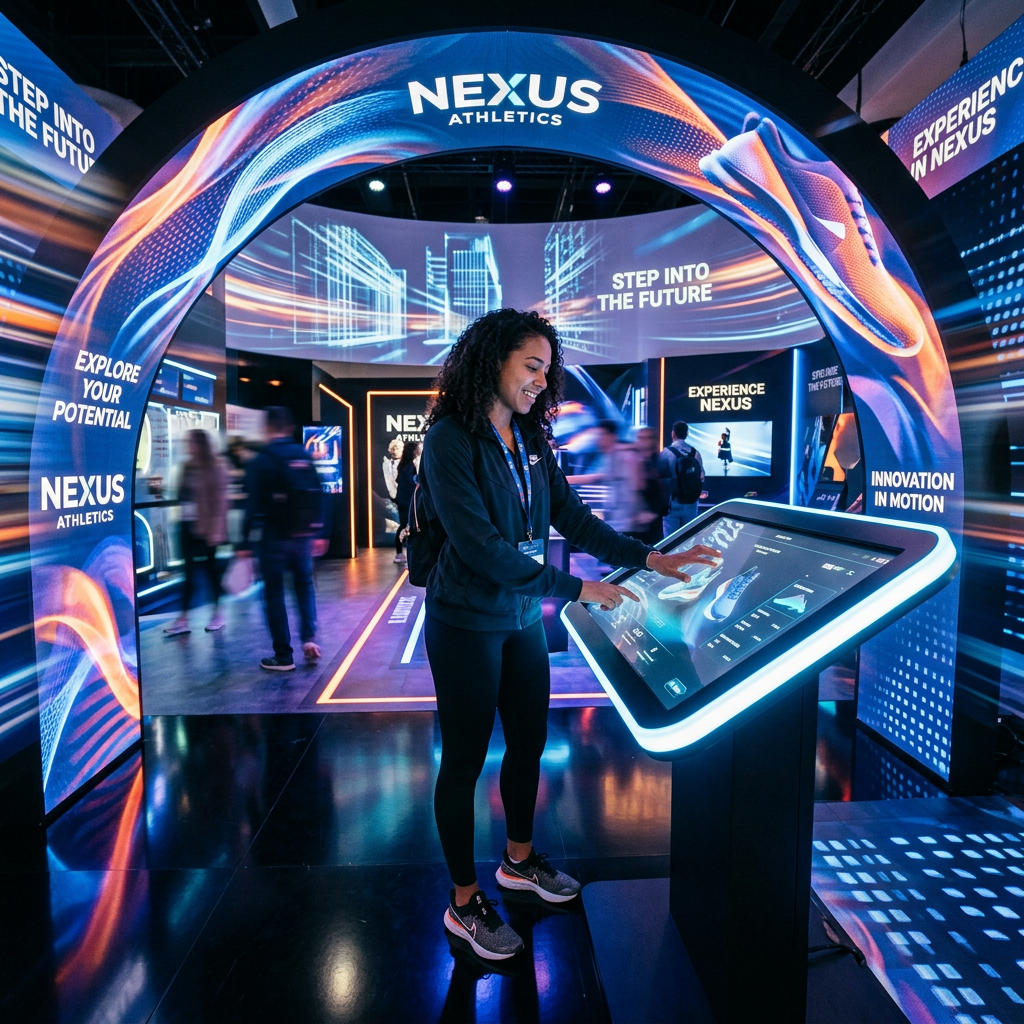
For decades, marketing revolved around the product. Businesses focused on features, quality, pricing, packaging, and distribution. The goal was simple: create something desirable and convince people to buy it.
Today, that is no longer enough.
Modern consumers are not only evaluating what a brand sells. They are judging how that brand makes them feel before, during, and after the purchase. The experience surrounding the product has become part of the product itself.
This shift has transformed the way brands compete. In many categories, functional differences between products are increasingly small. What separates one company from another is often the experience it creates around the transaction.
The brands that understand this are no longer simply selling products. They are designing moments, emotions, and relationships.
Why Experience Has Become the New Differentiator
Consumers have more choice than ever. Search engines, marketplaces, social platforms, and recommendation systems make it easy to compare alternatives within seconds.
When products are similar in quality and price, differentiation becomes difficult.
This is where experience matters.
A smooth website, thoughtful packaging, personalized communication, helpful customer service, an engaging retail environment, or a memorable social interaction can influence perception just as strongly as the product itself.
In many cases, consumers remember how a brand made them feel long after they forget the details of the purchase.
That emotional memory becomes a competitive advantage.
From Transactions to Relationships
Traditional marketing often treated the purchase as the final goal.
Experience-driven marketing treats it as one moment within a much longer relationship.
The customer journey begins before the sale and continues after it. Discovery, research, purchase, delivery, usage, support, and repurchase all shape the overall perception of the brand.
A disappointing experience at any stage can weaken the relationship.
A thoughtful experience can strengthen it.
This is why customer experience can no longer sit separately from marketing. Every interaction communicates something about the brand.
The checkout process communicates whether the company values simplicity.
Customer support communicates whether the company values people.
Packaging communicates attention to detail.
Post-purchase communication communicates whether the relationship ends when payment is complete.
Together, these moments form the brand.
The Experience Economy Is Emotional
The most powerful experiences are rarely memorable because they are technologically impressive.
They are memorable because they create emotion.
Excitement, belonging, reassurance, surprise, status, comfort, and delight can all become part of a brand’s value proposition.
This explains why companies invest heavily in flagship stores, interactive installations, events, personalized apps, community programs, and experiential campaigns.
A physical retailer may create a store that feels less like a shop and more like a destination.
A beauty brand may allow customers to experiment virtually before purchasing.
A fitness company may build a community around challenges and shared progress.
In each case, the value extends beyond the item being sold.
The consumer is buying participation.
Digital Experience Matters Just as Much
Experience marketing is not limited to physical spaces.
For many consumers, the website, app, or social media profile is the brand experience.
A confusing interface can damage perception even if the product is excellent. A seamless digital journey can make a relatively ordinary product feel premium.
This is why user experience and branding are becoming increasingly interconnected.
Speed matters. Navigation matters. Personalization matters. Tone of voice matters.
Even small details, such as confirmation messages, onboarding screens, or delivery notifications, can reinforce the personality of the brand.
The best digital experiences feel effortless.
Consumers should not notice how much design and strategy went into them.
They should simply feel that everything works.
Personalization Without Losing Humanity
Personalization has become one of the most powerful tools in experience-driven marketing.
Consumers increasingly expect brands to understand their preferences and reduce irrelevant communication.
AI allows businesses to personalize recommendations, content, offers, and customer journeys at enormous scale.
But personalization can become uncomfortable when it feels overly intrusive.
The goal should not be to demonstrate how much data a company possesses about a customer.
It should be to make the interaction more useful.
The best personalization feels like good service.
It removes friction, anticipates needs, and provides relevance without constantly reminding consumers that they are being analyzed.
The Rise of Immersive Brand Experiences
Experiential marketing is also becoming more immersive.
Augmented reality, interactive installations, virtual product demonstrations, gamification, and connected physical spaces are expanding what a brand experience can look like.
Retailers can allow consumers to preview furniture inside their homes using AR. Fashion and beauty brands can offer virtual try-ons. Automotive companies can create immersive digital showrooms.
These technologies are effective when they solve a real problem or enhance the experience.
Technology for its own sake quickly becomes a gimmick.
The strongest experiences use technology invisibly. The consumer remembers the convenience or emotion, not the software behind it.
Social Media Has Turned Consumers Into Participants
Social media has also changed the relationship between brands and audiences.
Consumers are no longer passive recipients of advertising.
They comment, remix, review, recommend, criticize, and create content around brands.
This participation means that experiences can spread far beyond the people who physically encounter them.
A creative pop-up can become thousands of TikTok videos. Interesting packaging can become an unboxing trend. A surprising customer service moment can become a viral story.
Brands are increasingly designing experiences with this secondary audience in mind.
The experience must work for the person who is there, but it should also be easy to share with someone who is not.
Community Is Part of the Experience
Some of the strongest modern brands have moved beyond audiences and built communities.
Community adds something products alone cannot provide: belonging.
Customers connect not only with the brand but with each other.
This creates a deeper emotional relationship.
Running clubs, creator communities, loyalty programs, exclusive memberships, brand events, and private digital groups transform purchasing into participation.
The product becomes an entry point into something larger.
When customers feel that they belong to a brand community, loyalty becomes more difficult for competitors to replicate.
Why Consistency Matters
Experiences do not have to be spectacular to be effective.
They have to be consistent.
A beautiful advertising campaign means little if customer service is poor.
Premium packaging cannot compensate for a frustrating website.
Friendly social media messaging loses credibility if the real customer experience feels cold.
Every touchpoint must reinforce the same promise.
This consistency is what transforms individual interactions into brand identity.
Customers begin to know what to expect.
And predictability, when paired with quality, creates trust.
What Smaller Brands Can Learn
Experience-driven marketing is not limited to companies with enormous budgets.
Small businesses often have an advantage because they can create more personal interactions.
A handwritten thank-you note, thoughtful packaging, fast customer support, personalized recommendations, or a memorable consultation can create experiences that large corporations struggle to replicate.
The goal is not necessarily to build something expensive.
It is to identify moments where the customer can feel genuinely valued.
Small details can create disproportionate emotional impact.
From Customer Experience to Brand Experience
Businesses often treat customer experience as an operational concern and branding as a marketing concern.
That separation is becoming outdated.
Brand experience is the combination of everything a customer sees, hears, feels, and encounters around a company.
Visual identity sets expectations.
Messaging creates meaning.
Product quality delivers value.
Customer service reinforces trust.
Community creates belonging.
Marketing introduces the story, but experience proves whether the story is true.
Final Thoughts
The future of marketing belongs to brands that understand that people do not experience companies through isolated advertisements.
They experience them through journeys.
Every interaction contributes to the perception of the brand.
Products still matter. Quality still matters. Price still matters.
But these elements increasingly exist inside a larger emotional and experiential ecosystem.
The brands that stand out will be those that make customers feel something worth remembering.
Because today’s consumers are not simply asking, “What am I buying?”
They are also asking, “What will it feel like to be part of this brand?”
And increasingly, that experience is what determines which brand they choose.
Build a Brand People Want to Experience
A strong brand is more than a visual identity or a marketing message. It is the complete experience people associate with your business.
Through my Brand Strategy, Corporate Branding, Brand Messaging, and Identity services, I help businesses create brands that feel coherent across every customer touchpoint, from positioning and communication to visual presence and the overall experience.
If your brand delivers a great product but the experience around it does not yet communicate the same level of quality, visit nikimartinov.com to explore how we can strengthen that connection.

