
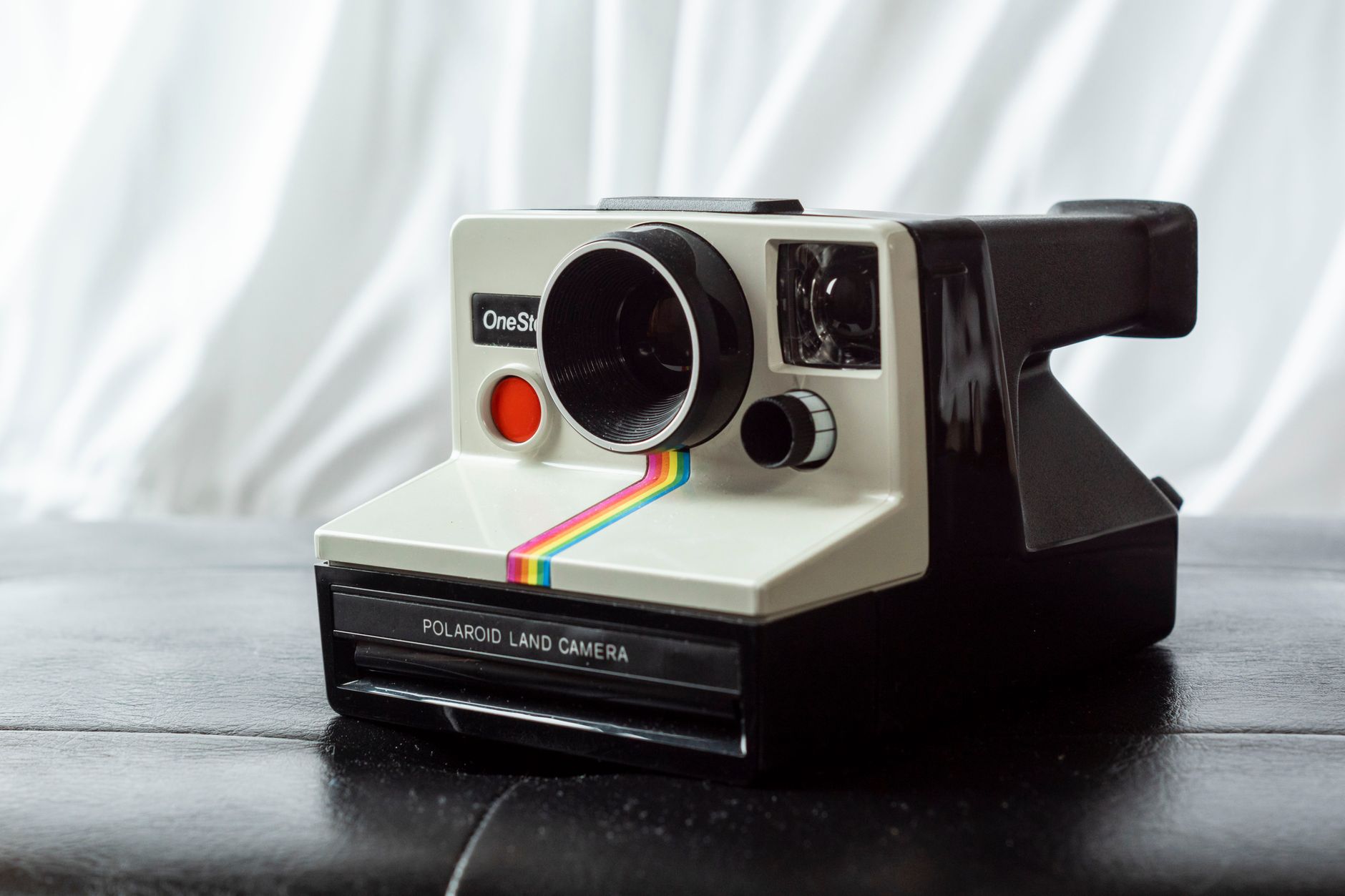
There is something strangely powerful about the future looking like the past.
In 2026, brands are increasingly reaching backward to move forward. VHS textures, Y2K interfaces, chrome typography, arcade graphics, analog photography, retro packaging, old television aesthetics, and early internet design are appearing across advertising, social media, fashion, entertainment, and product launches. But this is not simply another nostalgia cycle.
The most interesting brands are not recreating the past exactly as it was. They are combining familiar visual and cultural references with modern storytelling formats, new technology, and contemporary consumer behavior.
This is the rise of retro-futurism in branding.
It is nostalgia reimagined for a digital-first audience.
Why Nostalgia Still Works
Nostalgia is one of the most reliable emotional shortcuts in marketing.
Familiar imagery can trigger comfort, recognition, and emotional memory almost instantly. A cassette tape, a 1990s computer interface, or the visual language of an old video game can create associations that go far beyond the object itself.
People are not necessarily nostalgic for the exact product being referenced. They are nostalgic for the feeling attached to the era.
Simplicity. Childhood. Optimism. Discovery. A time before constant notifications and endless feeds.
This emotional effect has become particularly valuable in a digital environment dominated by AI-generated content, fast-moving trends, and increasing visual sameness.
When everything looks polished and algorithmically optimized, imperfection can feel refreshing.
A grainy photograph or intentionally outdated interface can feel more human than another perfectly generated image.
Retro Does Not Mean Regressive
The mistake many brands make with nostalgia marketing is treating the past like a museum.
They reproduce old aesthetics without adding anything new.
Effective retro-futurism works differently.
It takes recognizable assets from the past and places them inside modern experiences.
A brand might use a 1980s arcade aesthetic inside an interactive mobile campaign. A fashion label might shoot a campaign on film but distribute it through vertical social video. A technology company might use early-2000s interface design while introducing a cutting-edge AI product.
The contrast is what makes the idea interesting.
Old visual language meets new functionality.
Familiar emotion meets unfamiliar technology.
The brand creates something that feels nostalgic and futuristic at the same time.
Why Retro-Futurism Fits Short-Form Content
Modern storytelling formats are particularly well suited to nostalgic aesthetics.
TikTok, Instagram Reels, and YouTube Shorts allow brands to recreate entire cultural eras within seconds.
A video can begin like an old television commercial, transition into a modern product demonstration, and end with an interactive call to action.
Creators can imitate vintage news broadcasts, home videos, retro video games, or early internet tutorials while still using contemporary editing, sound design, and platform-native storytelling.
This creates an interesting paradox.
The content looks old, but the format feels completely current.
That tension helps stop the scroll because the viewer recognizes something familiar but experiences it in an unexpected way.
Y2K Became More Than an Aesthetic
One of the clearest examples of retro-futurism is the continued influence of Y2K design.
The late 1990s and early 2000s imagined technology with a particular kind of optimism. Metallic surfaces, translucent interfaces, futuristic typefaces, bright gradients, and digital imagery suggested that technology would make life exciting and limitless.
Today, those aesthetics have returned.
But their meaning has changed.
For younger audiences, Y2K is often not personal nostalgia at all. Many Gen Z consumers were too young to remember the era clearly.
Instead, it functions as imagined nostalgia.
They are attracted to an aesthetic representation of a period they associate with early digital culture, pop music, physical media, and a less optimized internet.
This demonstrates something important for marketers.
Nostalgia does not require direct memory.
It can also be cultural mythology.
The Return of Analog Imperfection
Retro-futurism is also driving the renewed appeal of analog aesthetics.
Film grain, disposable-camera photography, camcorder footage, imperfect typography, photocopied textures, and hand-drawn graphics are appearing across digital campaigns.
These choices deliberately reject visual perfection.
In a world where AI can create flawless images instantly, imperfections increasingly signal authenticity.
A slightly blurred photograph can feel more emotionally believable than an immaculate render.
This does not mean brands should abandon modern production quality. It means that controlled imperfection can become part of the brand language.
The goal is not to make content look bad.
It is to make it feel lived in.
Nostalgia as a Brand Storytelling Tool
Retro-futurism becomes most effective when nostalgia is connected to a larger narrative.
A heritage brand can revisit old advertisements and reinterpret them through a modern lens.
A newer brand can borrow the visual codes of an era that aligns with its personality.
A technology company can contrast yesterday’s idea of the future with today’s reality.
This turns nostalgia into storytelling rather than decoration.
The past becomes part of the brand’s world.
Coca-Cola, Adidas, Nike, Nintendo, LEGO, and many fashion houses regularly draw from their archives because those archives contain emotional equity.
Their historical assets are not simply old designs. They are cultural memory.
Modern digital platforms allow those memories to be rediscovered, remixed, and shared by entirely new audiences.
AI Makes the Past Infinitely Remixable
Artificial intelligence adds another layer to this trend.
Brands can now experiment rapidly with historical visual languages, simulate different eras, restore archival materials, and create new combinations of past and future aesthetics.
A single campaign concept could be imagined as a 1950s advertisement, a 1980s television spot, a 1990s magazine page, and a futuristic 2030 interface.
This opens enormous creative possibilities.
But it also creates a risk.
If every brand can generate nostalgic visuals instantly, aesthetic novelty alone will not be enough.
The brands that stand out will be those that use retro references with strategic purpose.
The question should not be, “Which decade looks cool?”
It should be, “What does this reference communicate about our brand?”
Avoiding Nostalgia Without Meaning
Retro aesthetics can quickly become superficial.
A VHS filter does not automatically create emotional connection. Y2K typography does not automatically make a campaign culturally relevant.
The visual reference must connect to something deeper.
Perhaps it reinforces the brand’s heritage.
Perhaps it reflects the audience’s identity.
Perhaps it creates a contrast between old expectations and new technology.
Without that connection, nostalgia becomes decoration.
And decoration is easy to copy.
Meaning is harder.
Building a Retro-Futurist Brand Experience
The strongest opportunities extend beyond advertising.
Retro-futurism can shape packaging, websites, physical spaces, product interfaces, events, and even sound.
Imagine a pop-up store designed like an early-2000s electronics shop but powered by interactive AI experiences.
A product launch could borrow the aesthetic of an old gaming console while offering AR functionality.
A website could use subtle references to early desktop operating systems without sacrificing modern usability.
When these elements work together, the brand is no longer borrowing an aesthetic.
It is building a world.
Why the Past Is Becoming Part of the Future
The popularity of retro-futurism reflects something deeper about modern culture.
Technology is moving faster than people can emotionally process.
AI, automation, virtual experiences, and increasingly intelligent devices are reshaping everyday life at remarkable speed.
Against that backdrop, familiar cultural references provide stability.
They make the future feel less alien.
Brands can use nostalgia as a bridge between technological change and emotional familiarity.
The message becomes simple:
The world may be changing, but some feelings remain recognizable.
Final Thoughts
Retro-futurism works because it combines two powerful human instincts.
We are curious about what comes next, but we are emotionally attached to what came before.
The most creative brands understand that they do not have to choose between nostalgia and innovation.
They can use the past as raw material for the future.
In 2026, successful nostalgic marketing will not be about recreating old campaigns or repeating familiar aesthetics.
It will be about reinterpretation.
Old assets will meet new platforms. Analog textures will coexist with artificial intelligence. Cultural memories will become interactive experiences.
And the brands that do it best will make something rare in modern marketing:
The future will feel familiar without feeling old.

