
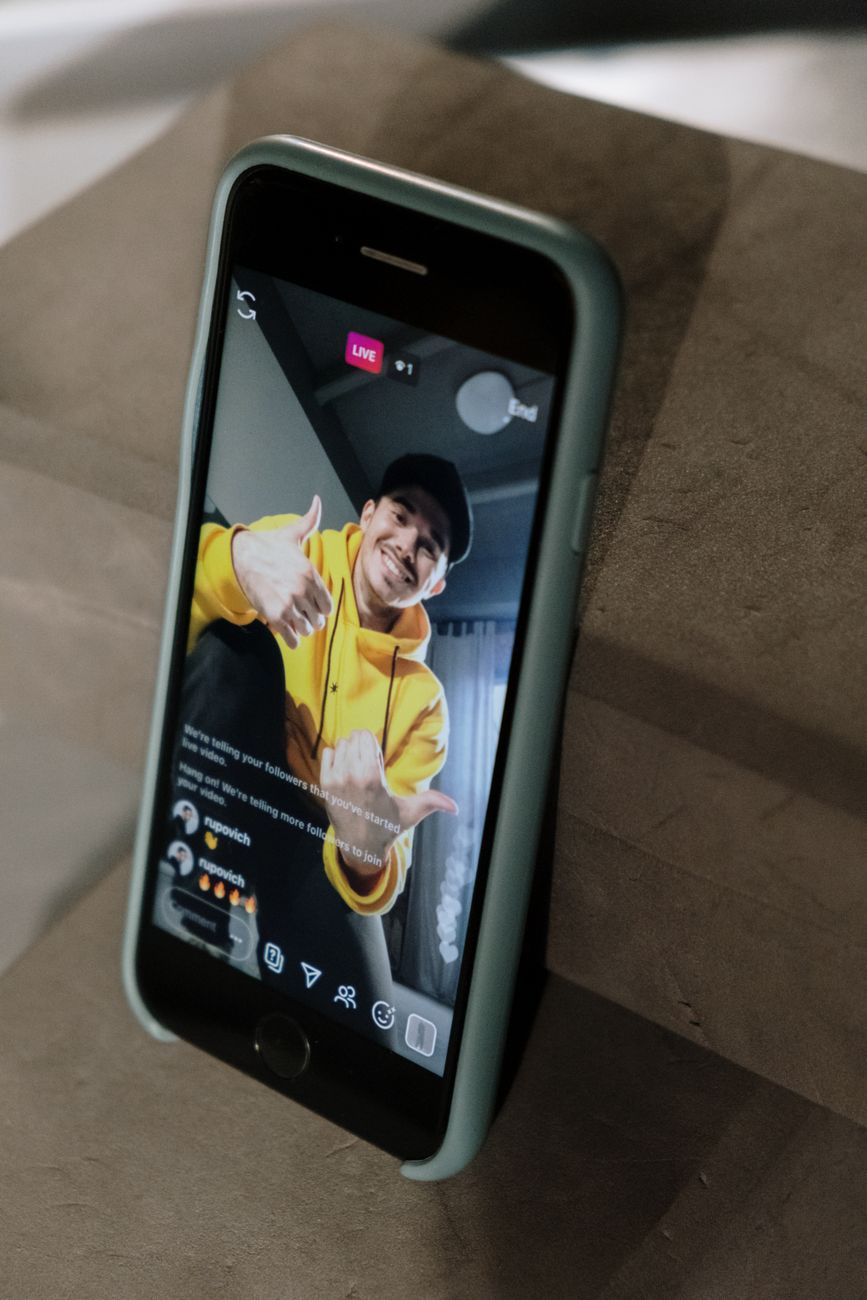
There was a time when influencer marketing was simple. A brand sent a product, paid for a post, received a burst of attention, and moved on to the next creator.
That model worked when influencer content still felt novel and audiences were less accustomed to sponsored recommendations. In 2026, the environment is very different.
Consumers recognize paid placements immediately. Creators promote more brands. Social feeds are crowded with sponsored content, and audiences have become significantly more skeptical of endorsements that appear once and disappear.
A single post from a creator may still generate awareness, but awareness alone is no longer enough.
The future of influencer marketing belongs to long-term creator partnerships, ambassador programs, recurring collaborations, affiliate relationships, and deeper brand integration.
Influence is becoming relational rather than transactional.
Why the One-Off Shoutout Lost Its Power
The biggest weakness of a one-time influencer placement is simple: there is rarely enough time to build credibility.
Imagine seeing a creator recommend a skincare brand you have never heard them mention before. They describe it enthusiastically, include a discount code, and then never discuss the product again.
The audience notices.
The endorsement may technically be authentic, but it can still feel like rented enthusiasm.
Consumers increasingly evaluate not only what creators recommend but also the consistency of those recommendations. They remember which products appear naturally in someone’s routine and which brands suddenly arrive during sponsored content.
Repeated exposure creates a different psychological effect.
When followers see the same product used over several months, incorporated into normal content, and discussed in different contexts, the relationship feels more believable.
The creator is no longer simply advertising the brand.
They appear to actually use it.
Trust Needs Repetition
Influencer marketing ultimately depends on trust.
That trust is rarely transferred instantly.
A single recommendation can introduce a product, but repeated interaction helps validate it.
This reflects a broader principle in marketing. Consumers typically need multiple touchpoints before making a purchasing decision. They may discover a brand through a creator, investigate reviews, visit the website, see another piece of content, and only then decide to buy.
Long-term creator partnerships naturally support this process.
Instead of trying to force awareness, consideration, and conversion into one sponsored post, brands can build a sequence of interactions.
A creator might introduce the product first, demonstrate it later, answer audience questions in another piece of content, and eventually feature it organically as part of their lifestyle.
Influence accumulates.
The Rise of the Brand Ambassador
This is why ambassador relationships are becoming increasingly valuable.
An ambassador is not simply hired to deliver an advertisement. They become an ongoing representative of the brand.
The partnership may last months or even years, allowing the creator and company to build a recognizable association.
This creates benefits for both sides.
For the brand, repeated visibility increases recognition and credibility. For the creator, longer agreements provide more stability and reduce the pressure to constantly promote unrelated products.
Most importantly, audiences receive a more coherent story.
When the same creator repeatedly interacts with a brand, consumers begin to understand why the partnership exists.
That connection matters.
The best ambassador relationships feel obvious in hindsight because the creator’s personality, lifestyle, audience, and values naturally align with the brand.
Creators Are Becoming Creative Partners
Another important shift is happening behind the scenes.
Brands are moving away from treating influencers purely as distribution channels and increasingly involving them in creative development.
This makes sense.
Creators understand their audiences better than most marketing departments ever could. They know what language works, which formats feel native, what jokes their followers understand, and what type of content gets ignored.
Giving creators a rigid script often removes exactly what made them valuable in the first place.
Modern partnerships therefore give creators more creative freedom.
A brand provides the positioning, message, legal boundaries, and strategic objective. The creator determines how that message should live inside their content.
This creates advertising that feels less like an interruption and more like a natural part of the platform.
The creator becomes a collaborator rather than a billboard.
From Influencer Marketing to Creator-Led Content
The value of creators is also expanding beyond their own audiences.
Brands increasingly work with creators to produce content that can be reused across paid advertising, ecommerce pages, social channels, and other campaign assets.
In this model, the creator’s ability to make convincing platform-native content can matter just as much as follower count.
A creator with a modest audience may produce a product demonstration that performs exceptionally well when the brand uses it in paid social advertising.
This changes how brands evaluate partnerships.
Reach is no longer the only asset.
Creative skill, credibility, audience fit, storytelling ability, conversion history, and content quality all become part of the equation.
The creator economy starts looking less like celebrity endorsement and more like a distributed creative industry.
Micro-Creators Gain More Strategic Value
The decline of one-off shoutouts also strengthens the position of micro and niche creators.
Large follower counts can generate awareness, but smaller creators often have highly specific communities built around particular interests.
A niche fitness creator, book reviewer, technology specialist, or fashion commentator may reach fewer people overall but influence a much more relevant audience.
For brands, this can be far more valuable.
A thousand people who genuinely care about a category may be worth more than a hundred thousand passive viewers.
Long-term relationships with smaller creators also allow brands to build networks of credible voices rather than placing their entire campaign behind one celebrity.
This distributes influence across communities.
It can also make the campaign feel more organic because different creators interpret the product through their own perspectives.
Affiliate Relationships Create Shared Incentives
Affiliate models are becoming another important part of long-term creator marketing.
Instead of paying exclusively for exposure, brands can reward creators for actual performance through commissions or revenue-sharing arrangements.
This aligns incentives.
The creator has a reason to continue discussing products that genuinely resonate with their audience, while the brand gains a clearer connection between creator activity and commercial results.
However, affiliate relationships work best when they are built on genuine product fit.
If creators promote everything simply because a commission exists, audiences quickly lose trust.
The strongest affiliate partnerships therefore behave more like recommendations than advertisements.
The creator selects the brand because it fits.
The commercial relationship supports the recommendation rather than creating it from nothing.
Community Integration Is the Next Step
The most sophisticated creator partnerships move beyond content altogether.
Creators can become part of brand communities, product launches, live events, private groups, product development, and customer education.
They may provide feedback before a launch, host discussions, participate in events, or help shape products designed for their audience.
This gives creators a deeper role in the brand ecosystem.
It also gives audiences a stronger sense that the partnership has substance.
The creator is no longer simply telling people to buy something.
They are participating in the brand’s world.
That is much harder to replicate through a one-off sponsored post.
Why Exclusivity Matters More
Long-term partnerships also make category exclusivity increasingly important.
If a creator promotes five competing skincare brands within a month, every recommendation becomes weaker.
Audiences begin to interpret the content as advertising inventory rather than personal endorsement.
Brands therefore benefit from building relationships where creators genuinely commit to a category, product, or brand for a meaningful period.
Exclusivity creates credibility because it signals preference.
It should not necessarily mean restricting every partnership a creator can accept. Agreements must remain fair and realistic.
But some level of consistency helps preserve the very trust brands are paying to access.
Measurement Has to Evolve Too
If influencer marketing becomes long-term, measurement has to move beyond likes and views.
Brands should look at how creator partnerships influence branded search, referral traffic, conversions, customer acquisition, content performance, sentiment, and repeat exposure over time.
The real value of an ambassador may not appear in the first post.
It may emerge after six months of repeated association.
This requires patience.
It also requires brands to stop evaluating creator partnerships with the same logic used for short-term advertising.
Influence is often cumulative.
A strong relationship builds mental availability, trust, and familiarity long before the final conversion can be attributed neatly to one post.
Authenticity Cannot Be Manufactured
Long-term partnerships are powerful, but duration alone does not make them authentic.
A bad fit repeated for twelve months is still a bad fit.
Brands must choose creators based on genuine alignment.
Does the creator naturally belong in the category? Does the product make sense within their lifestyle or expertise? Does their audience resemble the brand’s target customer? Does their communication style fit the brand’s identity?
If the answer is no, repetition may actually make the mismatch more obvious.
The best influencer marketing starts with compatibility.
Commercial structure comes afterward.
What Brands Should Do Differently
The strategic shift is relatively simple.
Stop asking, “Who can post about us?”
Start asking, “Who could credibly grow with us?”
That question changes everything.
It encourages brands to evaluate creators as partners rather than media placements. It favors relationships over isolated transactions and long-term brand building over temporary reach.
It also creates room for better creative work.
When creators understand the brand deeply, they can communicate its value more naturally. When the brand understands the creator, it can design partnerships that feel relevant to the audience.
Both sides get better over time.
Final Thoughts
One-off influencer shoutouts are not completely disappearing. There will always be moments when a single placement makes strategic sense, particularly around launches, events, and short-term awareness campaigns.
But they are no longer the center of effective influencer marketing.
The industry is moving toward something deeper.
Long-term ambassadors. Creator-led campaigns. Affiliate relationships. Community integration. Recurring storytelling. Collaborative product development.
The common thread is trust.
Consumers have learned to recognize rented attention. What they increasingly respond to is credible association built over time.
In the next era of influencer marketing, brands will not win by paying more people to mention them once.
They will win by finding the right people to keep choosing them.

