
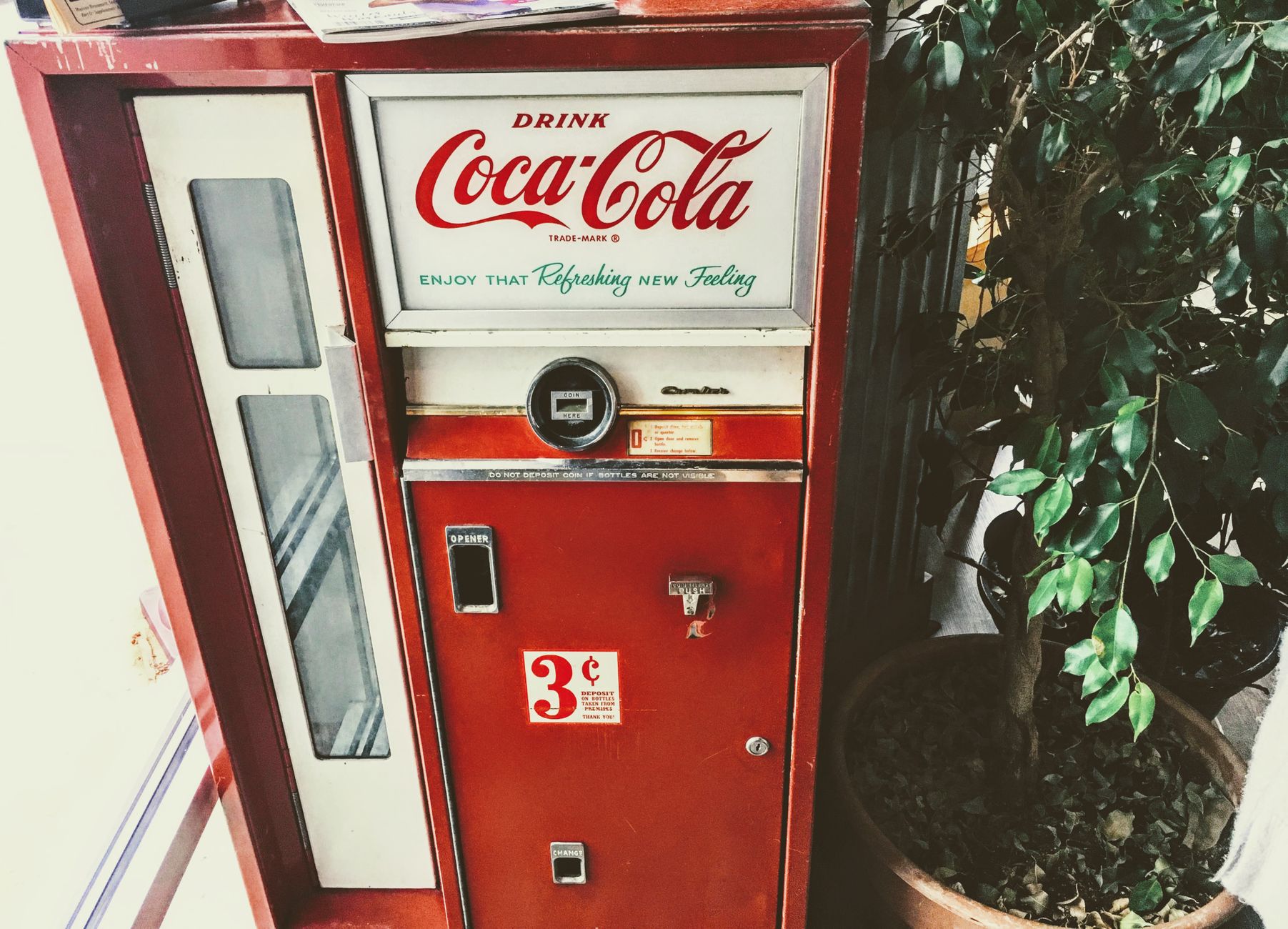
The internet has a strange relationship with the past.
We have access to more advanced technology than ever, yet some of the most compelling visual experiences borrow from earlier decades. Film grain appears in digital photography. Websites experiment with retro typography. Brands revive archival logos, vintage packaging, and the visual language of early computing. Even modern campaigns sometimes imitate the imperfect look of an old television commercial or a home video.
But nostalgia becomes much more interesting when it moves beyond aesthetics.
A vintage font or a VHS filter can capture attention, but neither automatically creates a meaningful brand experience. The real opportunity emerges when brands combine familiar cultural references with contemporary design, technology, and storytelling.
This is the idea behind nostalgic layering in digital branding.
Rather than recreating a particular decade, nostalgic layering brings different periods together within a single, cohesive brand experience. It combines the emotional familiarity of the past with the functionality and expectations of the present.
The result is a brand that feels recognizable without being outdated, contemporary without being generic, and emotionally engaging without relying entirely on nostalgia.
Nostalgia Is More Than a Visual Trend
Nostalgia works because people associate familiar cultural references with experiences, emotions, and memories.
A particular color palette might evoke childhood packaging. An old computer interface might recall the excitement of discovering the early internet. A familiar sound could bring back an entire era of entertainment.
These associations can make a design feel immediately recognizable.
However, nostalgia is not always based on personal memory.
Someone who grew up in the 2000s might respond emotionally to an aesthetic from the 1980s despite never experiencing that decade firsthand. Their connection may come from films, music, photography, fashion, or the cultural mythology surrounding the period.
This distinction matters for brands.
Nostalgia is not simply about reminding people of something they remember. It can also communicate an imagined atmosphere, a particular attitude, or a set of cultural values.
A retro aesthetic might suggest playfulness, craftsmanship, optimism, rebellion, or simplicity, depending on how it is used.
The strategic question is therefore not which decade a brand should imitate.
It is which associations from the past can strengthen the brand’s identity today.
What Nostalgic Layering Actually Means
Traditional nostalgia marketing often focuses on reviving a recognizable asset.
A company brings back an old logo, recreates a historic advertisement, or reintroduces a discontinued product.
Nostalgic layering takes a broader approach.
It combines historical references with contemporary elements across several dimensions of the brand experience.
A website might use typography inspired by an old magazine while maintaining a clean, modern interface. A product campaign might combine analog photography with interactive digital storytelling. A brand could revive the visual identity of its original packaging while introducing a new online shopping experience.
The past provides character.
The present provides relevance.
Importantly, these elements do not need to compete. A carefully selected historical reference can make a modern design more distinctive, while contemporary functionality prevents the nostalgic elements from feeling like unnecessary decoration.
The strongest executions create a recognizable relationship between eras rather than an obvious collage of unrelated trends.
The Power of Layered Visual Identity
Visual identity is often the most immediate expression of nostalgic layering.
Typography, color, photography, illustration, packaging, and graphic composition can all carry references to different design periods.
Imagine a contemporary lifestyle brand using bold typography inspired by 1970s editorial design, slightly imperfect analog photography, and a restrained modern layout.
The individual elements come from different visual traditions, yet they can work together when guided by a consistent creative direction.
The contrast becomes part of the brand’s personality.
A purely retro design might feel like a historical recreation. A purely contemporary design might look indistinguishable from competing brands. Combining the two can produce an identity that feels both familiar and unexpected.
However, layering requires restraint.
Combining vintage serif typography, Y2K chrome graphics, VHS textures, pixel art, and minimalist interfaces without a clear concept can create visual confusion.
The objective is not to collect as many nostalgic references as possible.
It is to select a few that communicate the right emotional and strategic message.
Digital Experiences Should Feel Modern, Even When They Look Retro
One of the most important principles of nostalgic layering is separating aesthetic references from functional limitations.
An early internet interface may be visually appealing today, but its original usability problems are not worth recreating.
Modern consumers still expect websites to load quickly, navigation to be intuitive, checkout processes to work smoothly, and content to be accessible across devices.
A retro-inspired interface should not sacrifice those expectations.
For example, a music platform might use cassette-inspired graphics and animated playback controls while maintaining a familiar, accessible navigation structure.
An ecommerce brand could incorporate visual references to a vintage mail-order catalogue without forcing customers through a complicated purchasing process.
The nostalgic element creates personality.
The modern interaction creates convenience.
When these two dimensions work together, the experience can evoke the past without imposing its technological limitations.
This is particularly important when designing for accessibility. Decorative textures, unusual typefaces, animation, and retro interface elements should never make essential information difficult to read or interactive elements difficult to use.
Nostalgia should enhance the experience, not become an obstacle to it.
Storytelling Gives Nostalgia Meaning
A historical aesthetic becomes far more valuable when it connects to a story.
For established brands, archives can provide an enormous source of creative material.
Old advertisements, packaging designs, product photographs, campaign slogans, and visual identities may contain recognizable elements that still communicate something important about the company.
Reintroducing these assets through modern storytelling can connect a brand’s history with its present identity.
A company might revisit its original design philosophy and show how that philosophy continues to influence its current products. An archival campaign could be reinterpreted through contemporary photography, short-form video, or an interactive digital experience.
The historical reference becomes evidence of continuity rather than a decorative gimmick.
Newer brands can also use nostalgic layering, but they need a different approach.
A business established recently should not attempt to manufacture a heritage it does not possess. Instead, it can draw from broader cultural references that genuinely align with its personality.
A technology startup might explore the optimistic visual language of early personal computing. A lifestyle brand might borrow the warmth of analog photography to communicate a slower, more considered approach to consumption.
The key is authenticity.
Nostalgia should support the story the brand is entitled to tell.
The Role of Sound, Motion, and Interaction
Nostalgic layering does not have to remain visual.
Sound and motion can communicate historical references just as effectively as typography or color.
An electronic startup sound, an analog camera shutter, the mechanical click of an old device, or a musical reference associated with a particular era can establish an atmosphere almost immediately.
Motion design offers similar opportunities.
A campaign might incorporate transitions inspired by early television graphics, arcade games, or vintage film titles while using contemporary animation techniques.
Interactive elements can extend the idea further.
A digital campaign could invite audiences to explore an archive, navigate a virtual room inspired by a particular decade, or interact with a product through a retro-styled interface.
These experiences can encourage participation because they transform nostalgia from something people observe into something they actively explore.
Yet every interaction should have a purpose.
A complicated animation that adds nothing to the story is not automatically more engaging than a simple photograph.
The strongest sensory details reinforce the central creative idea.
Nostalgia Can Connect Different Generations
One of the interesting advantages of nostalgic layering is its potential to create different meanings for different audiences.
An older consumer might recognize an original reference and appreciate the continuity.
A younger consumer might encounter the same aesthetic as something distinctive, playful, or culturally interesting.
The visual language is shared, but the emotional interpretation differs.
This allows a brand to communicate across generations without necessarily creating entirely separate identities.
However, marketers should avoid assuming that every audience experiences nostalgia in the same way.
Cultural references are influenced by geography, age, personal experience, and exposure. An aesthetic that feels familiar in one market may carry little meaning in another.
Audience research is therefore essential.
A historical reference should be selected because it resonates with the people the brand wants to reach, not simply because it happens to be popular among designers.
AI Makes Nostalgic Creativity Easier, but Originality Harder
Artificial intelligence has expanded the possibilities for experimenting with historical aesthetics.
Creative teams can explore visual directions inspired by different eras, develop mood boards, experiment with typography and imagery, and produce concept variations more quickly.
AI can also support the restoration or adaptation of archival materials when the brand has the necessary rights.
This makes nostalgic layering more accessible, particularly for smaller creative teams.
But it creates a challenge.
If every brand can instantly produce an image resembling a 1980s advertisement or a 1990s magazine cover, the aesthetic itself becomes less distinctive.
A historical style is not a strategy.
Brands still need a creative concept that explains why the chosen references matter and how they relate to the product, audience, and identity.
AI may accelerate production, but it cannot replace the strategic judgment required to build a coherent brand world.
The opportunity is to use technology to reinterpret the past, not simply imitate it.
Avoiding the Nostalgia Trap
The greatest risk of nostalgic branding is becoming overly dependent on familiar references.
A retro visual style may attract attention initially, but it cannot compensate for weak positioning, an irrelevant product, or an inconsistent customer experience.
Brands should also be careful not to romanticize the past so heavily that they appear disconnected from contemporary consumers.
Not everything about an earlier era deserves revival.
Outdated stereotypes, exclusionary cultural references, inaccessible design conventions, and misleading representations of history can undermine the emotional appeal a campaign is attempting to create.
Nostalgic layering works best when brands approach the past selectively.
Preserve the elements that remain meaningful.
Reinterpret the elements that need updating.
Leave the rest behind.
The objective is not historical accuracy for its own sake. It is a thoughtful connection between heritage, culture, and contemporary relevance.
Building a Nostalgic Brand Without Becoming a Retro Brand
Not every company needs to adopt a retro identity to benefit from nostalgic layering.
A contemporary brand might incorporate a single archival color, an analog photographic style, or a recurring visual reference into an otherwise modern identity.
These elements can add warmth and personality without dominating the experience.
The decision should begin with brand strategy.
What does the company want to communicate? Which emotional associations are currently missing? Which elements of its own history or broader cultural context could help communicate those qualities?
A premium brand might use archival craftsmanship references to emphasize enduring quality. A playful consumer brand might revisit early digital culture to reinforce experimentation and curiosity. A contemporary wellness brand might introduce analog textures to create a more tactile and human atmosphere.
Each approach uses nostalgia differently because each brand has a different objective.
This is the difference between following a design trend and building a distinctive identity.
Final Thoughts
Digital branding often focuses intensely on the future.
New platforms, new technologies, new formats, and new creative tools continually reshape how companies communicate.
But innovation does not require abandoning everything that came before.
Nostalgic layering offers a way to combine emotional familiarity with contemporary relevance. It allows brands to borrow meaningful elements from the past while delivering the functionality, accessibility, and storytelling modern audiences expect.
The strongest executions do not look like historical replicas. They create something new from carefully selected cultural memories.
A familiar typeface becomes part of a modern visual identity. An archival image gains new meaning through contemporary storytelling. An analog aesthetic adds character to a seamless digital experience.
The result is not simply nostalgia.
It is continuity.
And in a digital world where brands are constantly pressured to reinvent themselves, continuity can become a powerful form of differentiation.
The future of branding does not have to erase the past. Sometimes, the most distinctive way forward is to give familiar memories an entirely new meaning.

