
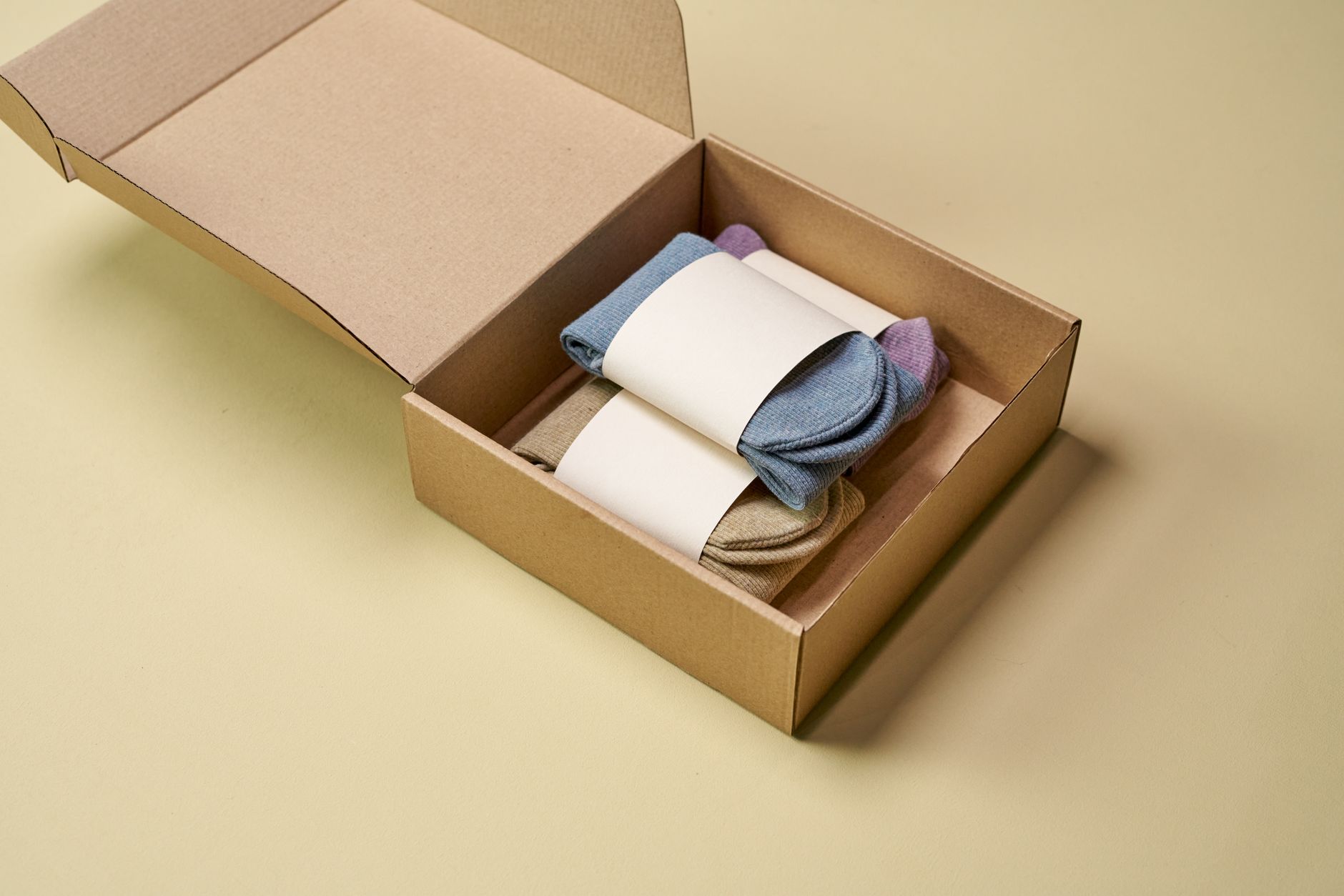
For physical product brands, packaging is no longer just a protective shell.
It is part of the product.
The moment a customer touches the box, slides open a drawer, lifts a lid, hears a magnetic closure click into place, or discovers a carefully layered insert, the brand is already communicating.
Before the product is even used, the packaging has begun shaping expectations around quality, value, personality, and attention to detail.
This is why product architecture is becoming such an important part of brand identity. The physical structure surrounding a product can now perform many of the same functions traditionally assigned to advertising. It can create anticipation, communicate positioning, encourage sharing, reinforce premium perception, and turn customers into voluntary distributors of brand content.
In an environment where brands are constantly competing for attention, a memorable unboxing experience creates something especially valuable: a marketing moment customers want to record themselves.
The Product Begins Before the Product
Consumers do not experience physical products in isolation.
They experience sequences.
The shipping box arrives. The seal is broken. The outer packaging opens. The customer sees the first layer. The product is revealed gradually. Materials are touched. Small details are noticed.
Each stage contributes to the perception of the brand.
This means packaging design should not begin with the question, “How should this product be contained?”
A better question is, “How should discovering this product feel?”
That shift changes packaging from an engineering problem into a brand experience.
A luxury skincare product in a thin generic carton communicates something very different from the same product presented inside a rigid box with considered weight, texture, internal structure, and deliberate pacing.
The formula may be identical.
The perceived experience is not.
Packaging Is a Form of Brand Architecture
Brand identity is often discussed through logos, colors, typography, photography, and tone of voice.
Physical brands have another dimension available to them: structure.
Shape communicates.
Weight communicates.
Materials communicate.
Opening mechanisms communicate.
The architecture of the package can become as recognizable as the visual identity printed on it.
Apple helped popularize the idea that product presentation should feel controlled and deliberate. Premium fragrance houses often use rigid boxes, fitted interiors, and substantial materials to communicate exclusivity before the bottle is touched. Jewelry brands use drawers, ribbons, soft linings, and layered reveals because the presentation is part of the emotional value.
The packaging does not simply hold the brand identity.
It performs it.
A playful brand may use unexpected openings, bright interior graphics, or hidden messages. A minimalist brand might rely on precision, restraint, and material quality. A sustainable brand may use visible recycled fibers, minimal components, and construction that communicates efficiency rather than excess.
The physical structure should express the same idea as the rest of the brand.
Touch Is an Underused Marketing Channel
Digital marketing is dominated by sight and sound.
Physical products can add touch.
That creates opportunities online advertising cannot fully reproduce.
The texture of uncoated paper, embossed lettering, soft-touch surfaces, fabric pulls, molded inserts, metal details, or the resistance of a well-constructed lid can all influence perceived quality.
These sensations are subtle, but they matter.
Customers often interpret physical resistance, weight, and precision as signals of craftsmanship. A box that opens too easily may feel cheap. A lid that fits perfectly can feel premium. A product that sits firmly inside a custom insert can communicate that every detail was considered.
Tactility also slows people down.
That is strategically useful.
In digital environments, brands constantly fight against speed. Consumers scroll, skip, swipe, and move on.
A tactile package can create the opposite behavior.
It asks the customer to pause.
The Sound of Premium
Sound is another overlooked part of product architecture.
The soft click of a magnetic box closing. The snap of a cap. The controlled slide of a drawer. The sound of tissue paper unfolding.
These micro-moments can become part of the perceived quality of a product.
In certain categories, consumers even associate specific sounds with authenticity and craftsmanship.
This is particularly important in video-based social media.
An unboxing clip is not purely visual.
Sound helps create satisfaction.
The increasingly popular language of sensory content, including ASMR-style videos, demonstrates how much attention small tactile and acoustic details can generate.
Brands designing physical products should therefore think beyond what the package looks like in a photograph.
How does it sound when someone opens it on camera?
That question may seem unusually specific, but it reflects the way modern products are actually experienced.
The package is increasingly designed for both the customer and the camera.
Unboxing Is a Form of Storytelling
The best unboxing experiences have pacing.
They do not reveal everything at once.
A customer may first encounter the logo, then a message, followed by a secondary layer, then the product itself.
This creates anticipation.
The principle is similar to storytelling. If the main reveal happens immediately, there is little suspense. If the customer has to navigate too many unnecessary layers, the experience becomes frustrating.
Good packaging finds the balance.
The experience should feel deliberate without feeling complicated.
This is where product architecture becomes particularly powerful.
A box can guide attention in sequence.
The first panel establishes identity.
An internal message adds personality.
A carefully positioned product creates the visual climax.
A final hidden detail provides surprise.
These moments can turn an ordinary transaction into a small ritual.
And rituals are memorable.
Why Unboxing Works So Well for Organic UGC
People rarely film ordinary experiences.
They film experiences that contain surprise, beauty, satisfaction, status, novelty, or emotion.
A distinctive unboxing experience naturally creates those ingredients.
This is why packaging can become a source of organic user-generated content.
When customers feel that the physical experience is worth sharing, they create content voluntarily.
The product becomes its own media asset.
A visually striking interior may encourage a top-down photograph.
An unusual opening mechanism can create a satisfying video.
A hidden message may become an Instagram Story.
A beautifully arranged product reveal can become a TikTok or Reel without the brand asking for one.
The strongest packaging does not need to include “share this on social media” instructions.
The experience itself creates the impulse to share.
That is far more powerful.
Designing for the Camera Without Designing for Gimmicks
There is a risk here.
Brands can become so focused on social shareability that packaging begins to feel theatrical rather than useful.
A giant box for a tiny product may look impressive on video, but it can also feel wasteful. Excessive layers may create frustration. Complicated mechanisms can turn elegance into inconvenience.
Designing for UGC should not mean creating packaging purely for spectacle.
Instead, brands should identify naturally photogenic or satisfying moments within the experience.
A distinctive color inside the box.
A precise product layout.
A reveal that looks good from above.
A removable card with a memorable line.
A texture that catches light beautifully.
A closure that creates a satisfying sound.
These moments should emerge from the brand identity rather than being added as social-media tricks.
The best shareable packaging still works perfectly even if nobody records it.
Physical Friction Can Create Value
Digital product design usually tries to remove friction.
Physical branding can sometimes benefit from adding a little.
This may sound counterintuitive.
But carefully designed friction creates anticipation.
Pulling a ribbon, lifting a tight-fitting lid, sliding out a tray, peeling a seal, or unfolding a wrapped object introduces small pauses.
Those pauses make the reveal feel more significant.
The key is intentionality.
Useful friction feels ceremonial.
Bad friction feels inconvenient.
A rigid box that opens slowly because of precise construction can feel premium.
A package that requires scissors, excessive tape, and ten minutes of frustration does not.
The difference is whether the friction contributes to the experience.
Packaging Can Increase Perceived Product Value
Consumers often evaluate products before they have had time to use them.
Packaging therefore becomes part of the value judgment.
If a product feels carefully presented, customers may infer that the product itself received similar attention.
This is especially important for premium and gift-oriented categories.
Fragrance, cosmetics, technology, jewelry, food, beverages, fashion accessories, and home products all benefit from presentation because the purchase often contains an emotional dimension.
Packaging can help justify price.
That does not mean expensive packaging can rescue a mediocre product.
It cannot.
But when product quality and presentation align, the entire offer feels more coherent.
Price, product, and experience begin telling the same story.
Retention Starts at the First Unboxing
Packaging is often considered an acquisition tool because it can generate social content.
Its role in retention may be even more important.
The first physical interaction after purchase is a moment of confirmation.
The customer has already spent money.
Now they are asking, consciously or not, whether the decision was worth it.
A strong unboxing experience reduces post-purchase doubt.
It communicates care.
It can transform anticipation into satisfaction before the product has even been tested.
This is particularly important for direct-to-consumer brands, where the package may be the first real-world contact between the customer and the company.
The website made a promise.
The package has to prove it.
Sustainable Packaging Can Still Feel Premium
Premium does not have to mean excessive.
Consumers increasingly notice waste, unnecessary plastic, oversized boxes, and complicated materials that are difficult to recycle.
This creates an important design challenge.
How can brands make packaging feel valuable without simply adding more packaging?
The answer is often better architecture rather than greater volume.
A well-engineered single-material structure can feel more sophisticated than multiple unnecessary components.
Recycled paper can still have beautiful texture.
Minimal packaging can create impact through proportion, typography, structural ingenuity, and carefully controlled reveals.
Sustainability can even become part of the tactile identity.
The material itself can communicate the brand’s values.
The important point is that environmental responsibility and premium experience do not have to be opposites.
Good design can support both.
The Inside of the Box Is Branding Space
Many brands spend heavily designing the exterior of a package and treat the inside as an afterthought.
That is a missed opportunity.
The interior is often where the most emotional part of the experience happens.
This can be where a brand introduces unexpected color, a message, a graphic detail, or a secondary visual language that feels more personal.
The outside of the box may need to communicate clearly.
The inside can reward discovery.
This contrast creates intimacy.
It can make customers feel as though they are seeing something designed specifically for them rather than simply receiving a mass-produced object.
Small details can have disproportionate impact here.
A sentence printed beneath the product.
A surprising pattern under a tray.
A note that appears only after the first layer is removed.
These moments create memories because they were not visible before the purchase.
Packaging Should Be Designed as a System
One-off packaging ideas can be attractive, but the strongest brands build recognizable systems.
Different products should feel related.
Box sizes may change, but opening logic can remain consistent. Materials may vary, but tactile language can be recognizable. Certain sounds, shapes, interior layouts, or details can become recurring brand signatures.
This creates physical consistency across the product portfolio.
Over time, customers may recognize the package before they even see the logo.
That is powerful branding.
The product architecture becomes identifiable in the same way that a color palette or typeface can become identifiable.
This is when packaging moves from decoration to identity.
Test the Experience With Real People
Packaging is often evaluated through renders and prototypes.
Those are essential, but they do not reveal the full experience.
Brands should watch real people open the product.
Where do they pause?
Which side do they try to open first?
Do they understand what to do?
Which moment creates delight?
Which layer feels unnecessary?
What do they instinctively photograph?
What sound do they notice?
Testing the physical experience can reveal details designers overlook because they already understand how the package is supposed to work.
The customer does not.
Observing the unboxing process turns packaging design into a form of user-experience research.
And that is exactly what it should be.
Final Thoughts
Packaging has become one of the few brand experiences consumers can physically hold.
That gives it enormous strategic potential.
A well-designed package can communicate quality before the product is used, create anticipation before the reveal, encourage user-generated content, reinforce premium positioning, and strengthen the emotional connection between customer and brand.
The opportunity is not to make every package bigger, louder, or more elaborate.
It is to make every physical detail more intentional.
The texture.
The weight.
The opening sequence.
The resistance.
The click.
The reveal.
The final hidden detail.
Together, these elements create a form of brand storytelling that digital advertising cannot fully replicate.
The most memorable packaging does not simply protect the product.
It turns opening the product into part of owning it.
And when that experience is satisfying enough to make customers reach for their phone and record it, packaging stops being a cost center.
It becomes media.

