
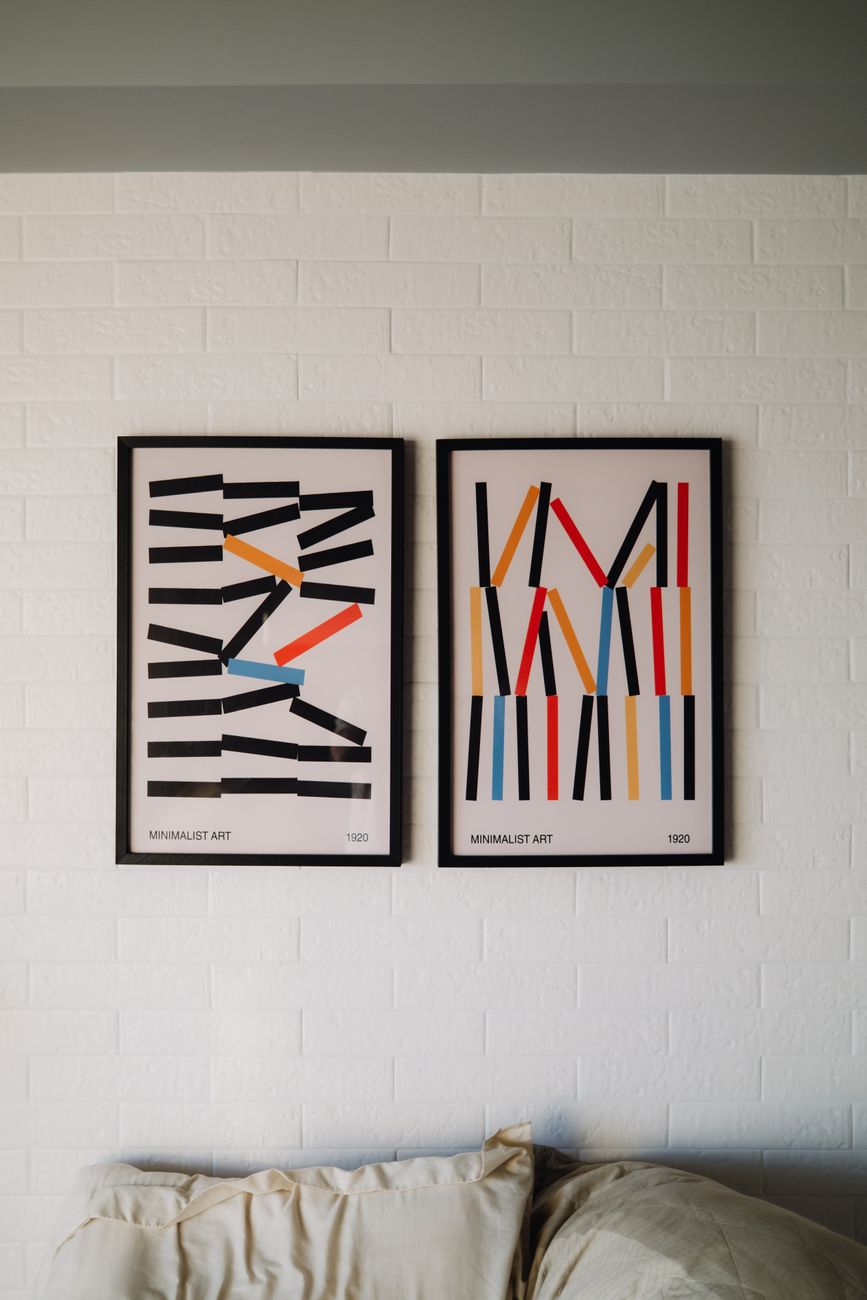
In 2026, sophisticated branding is evolving beyond visual simplicity. The next competitive advantage lies in combining minimalist design with storytelling, cultural relevance, and a distinctive sense of identity.
For more than a decade, minimalism has shaped the visual language of modern branding. Clean layouts, neutral color palettes, restrained typography, and understated elegance have become familiar expressions of sophistication.
From luxury fashion and technology to beauty and lifestyle brands, simplicity has often communicated confidence, refinement, and modernity.
The rise of quiet luxury further reinforced this aesthetic. Instead of relying on prominent logos and obvious displays of status, brands increasingly explored subtle visual cues, premium materials, craftsmanship, and understated design.
But as minimalism became more widespread, it created an unexpected challenge: when everyone embraces simplicity, simplicity alone becomes less distinctive.
In 2026, brands face a strategic question. How can they maintain the elegance of minimalist design while developing an identity that audiences genuinely recognize, remember, and connect with?
The answer is not necessarily more color, louder visuals, or increasingly elaborate design.
It is more meaning.
The next evolution of brand identity is not about abandoning minimalism. It is about giving simplicity a stronger purpose, a recognizable personality, and a story worth remembering.
When Minimalism Becomes Visual Sameness
Minimalism became influential for good reasons.
By removing unnecessary visual elements, brands could communicate more clearly, establish consistent identities, and create experiences that translated effectively across digital platforms.
A restrained design system can make information easier to understand. It can also direct attention toward what matters most: the product, message, or experience.
However, the popularity of minimalism has also encouraged visual convergence.
Across different industries, brands have adopted similar sans-serif typography, monochromatic logos, muted palettes, spacious layouts, and simplified visual identities.
These choices are not inherently ineffective. The problem arises when they are used without a distinctive creative or strategic foundation.
A minimalist identity can look professional while communicating very little about the organization behind it.
When competing brands share similar visual characteristics, customers may find it more difficult to distinguish them at a glance.
This is particularly relevant in categories where branding plays an important role in communicating personality, positioning, and perceived value.
The challenge is not that minimalism has lost its usefulness.
It is that visual simplicity is a design approach, not a complete brand strategy.
A brand still needs recognizable associations, a compelling position, and a reason for customers to choose it over alternatives.
From Minimalist Design to Meaningful Brand Identity
The next opportunity for brands lies in moving beyond aesthetic restraint toward greater narrative depth.
This does not require abandoning clean layouts or sophisticated visual systems.
Instead, it means using those elements to communicate something more specific about the brand.
A color palette can reflect cultural heritage rather than simply follow a trend. Typography can express personality instead of defaulting to a familiar contemporary style. Photography can communicate a particular worldview rather than reproduce generic lifestyle imagery.
Every visual decision becomes an opportunity to reinforce identity.
Consider two premium skincare brands.
Both use neutral packaging, elegant typography, and minimalist product photography.
The first relies almost entirely on these familiar aesthetic conventions.
The second incorporates visual references to its botanical ingredients, geographic origins, and formulation philosophy. Its photography, textures, language, and packaging details work together to communicate a consistent story.
Both brands may appear sophisticated.
But the second offers customers more distinctive associations to remember.
The difference is not necessarily visual complexity. It is strategic intention.
Meaningful brand identity emerges when design choices communicate who a brand is, rather than simply how it wants to look.
The Power of Subtle Brand Storytelling
Brand storytelling is often associated with emotional advertising campaigns, founder narratives, or elaborate brand films.
But storytelling does not always require an explicit narrative.
Sometimes, the most effective stories are communicated through carefully selected details.
A fashion brand might express its heritage through distinctive tailoring, architectural photography, and references to local craftsmanship.
A boutique hotel might communicate its identity through regional materials, typography inspired by its surroundings, and photography that captures the atmosphere of its location.
A premium coffee brand might use packaging textures, illustrations, and editorial imagery to communicate the origins and character of its products.
These details work as visual signals.
Individually, they may seem subtle. Together, they can create a recognizable identity that feels coherent and intentional.
This is particularly valuable for brands seeking sophistication without relying on visual excess.
Rather than competing for attention through increasingly dramatic design, they can build recognition through consistency, atmosphere, and distinctive associations.
However, subtle storytelling should not become an excuse for ambiguity.
If the intended meaning is so obscure that audiences cannot recognize or understand it, the design may fail to communicate effectively.
The objective is not to hide the brand’s story behind elaborate symbolism.
It is to express that story in ways that feel natural, relevant, and recognizable.
Cultural Identity as a Source of Differentiation
As visual trends spread rapidly across digital platforms, culturally grounded design can provide brands with a more distinctive creative foundation.
Heritage, geography, local traditions, craftsmanship, and community experiences can all contribute to a recognizable brand identity.
For example, a contemporary fashion label might incorporate design elements inspired by regional architecture or traditional textile techniques.
A hospitality brand could draw from the visual character of its city, creating an experience that feels connected to its surroundings rather than interchangeable with competitors elsewhere.
These approaches can help brands communicate a stronger sense of place and identity.
But cultural references require thoughtful execution.
Using heritage merely as decoration can reduce meaningful traditions to superficial visual trends. Brands should understand the origins and significance of the elements they incorporate, particularly when drawing from communities or cultures beyond their own.
Authentic cultural storytelling is most credible when it reflects genuine relationships, knowledge, and business practices.
The strategic advantage is not simply looking culturally distinctive.
It is communicating an identity that has substance behind its visual expression.
Quiet Luxury Is More Than a Minimalist Aesthetic
The relationship between minimalism and quiet luxury illustrates why visual identity cannot be reduced to appearance alone.
Quiet luxury is commonly associated with understated clothing, subtle branding, refined materials, and restrained design.
However, its appeal is not exclusively visual.
Craftsmanship, quality, heritage, exclusivity, and attention to detail can all contribute to how consumers perceive a luxury brand.
A simple product does not automatically become luxurious because it features neutral colors and an unobtrusive logo.
Likewise, an understated visual identity cannot independently establish premium positioning.
The perceived value must be supported by the product, customer experience, communication, and broader brand associations.
This distinction matters because minimalist aesthetics are relatively easy to imitate.
A competitor can adopt a similar palette, typography, or photographic style.
Reproducing a brand’s heritage, customer relationships, product quality, and accumulated reputation is considerably more difficult.
For brands seeking long-term differentiation, the lesson is clear:
The strongest identities are not built around an aesthetic alone. They are built around associations that competitors cannot easily replicate.
Consistency Without Repetition
Meaningful branding requires coherence across multiple touchpoints.
A brand’s website, packaging, social media presence, advertising, and physical environments should reinforce a recognizable identity.
However, consistency should not be confused with making every piece of content look identical.
A brand can use different colors, compositions, photography styles, and creative formats while maintaining a coherent personality.
The underlying principles should remain recognizable even when individual executions change.
For example, a premium lifestyle brand might use minimalist product photography for its online store, more atmospheric imagery for editorial campaigns, and spontaneous behind-the-scenes content on social media.
These formats serve different purposes.
Yet they can still feel connected through consistent art direction, language, values, and visual sensibility.
This flexibility is increasingly important as brands communicate across platforms with different audience expectations.
A rigid visual system may maintain uniformity but limit creative expression.
A well-developed identity provides enough structure to remain recognizable and enough flexibility to remain relevant.
The objective is not perfect repetition.
It is recognizable consistency across different expressions of the same brand.
How Brands Can Move Beyond Minimalism
For brand managers and creative professionals, the transition from aesthetic simplicity to meaningful differentiation begins with strategy.
Rather than immediately redesigning a logo or introducing new visual elements, brands should first examine what their current identity communicates.
1. Identify What Makes the Brand Distinctive
Look beyond visual trends.
Consider the organization’s history, values, expertise, audience, product characteristics, and competitive position.
Which associations should customers immediately connect with the brand?
Which qualities are genuinely distinctive, and which are simply common expectations within the category?
These answers should guide the visual identity.
2. Audit the Existing Visual Language
Evaluate whether the current design system communicates a recognizable personality.
Review typography, color, photography, packaging, digital experiences, and campaign materials.
Identify elements that reinforce the brand’s positioning and those that exist primarily because they are fashionable.
The goal is not to remove every familiar design convention.
It is to ensure that familiar conventions do not become the entire identity.
3. Introduce Meaningful Visual Details
Explore opportunities to incorporate relevant storytelling through materials, imagery, typography, illustration, or composition.
These elements should emerge from the brand’s strategy rather than being added merely to make the design appear more elaborate.
A small but distinctive visual detail can sometimes communicate more effectively than a complete redesign.
4. Build a Flexible but Recognizable System
Develop creative guidelines that explain not only what the brand should look like, but also why those choices matter.
Define the underlying principles that should remain consistent across different formats.
This allows creative teams to experiment without weakening recognition.
5. Test Whether the Identity Communicates
A meaningful brand identity should be recognizable to its intended audience, not only understandable to the people who created it.
Evaluate whether customers can distinguish the brand from competitors and whether its visual cues communicate the intended associations.
Useful research methods include brand recognition tests, customer interviews, qualitative feedback, and comparisons with competing identities.
Aesthetic preferences alone are not sufficient evidence of strategic effectiveness.
The strongest design decisions should contribute to recognition, relevance, and the broader customer experience.
The Future of Branding Is Meaningful Simplicity
Minimalism is not disappearing.
Clean design, visual restraint, and understated elegance will continue to serve brands that value clarity and sophistication.
But simplicity alone cannot guarantee differentiation.
As familiar visual styles become easier to reproduce, brands have greater reason to invest in the distinctive associations that give their identities meaning.
Storytelling, cultural awareness, craftsmanship, personality, and consistent brand experiences can all help transform minimalist design into something more recognizable and emotionally relevant.
The most effective approach is not necessarily to choose between minimalism and maximalism.
It is to understand what the brand needs to communicate and develop a visual language capable of expressing it.
For some organizations, that may involve bold colors and expressive typography.
For others, it may mean retaining an understated identity while introducing carefully considered details that communicate heritage, personality, or purpose.
The competitive advantage lies in the intention behind those decisions.
Because in a world where polished aesthetics are increasingly easy to imitate, a distinctive brand needs more than an attractive appearance.
Minimalism can make a brand look sophisticated. Meaning gives people a reason to remember it.

