
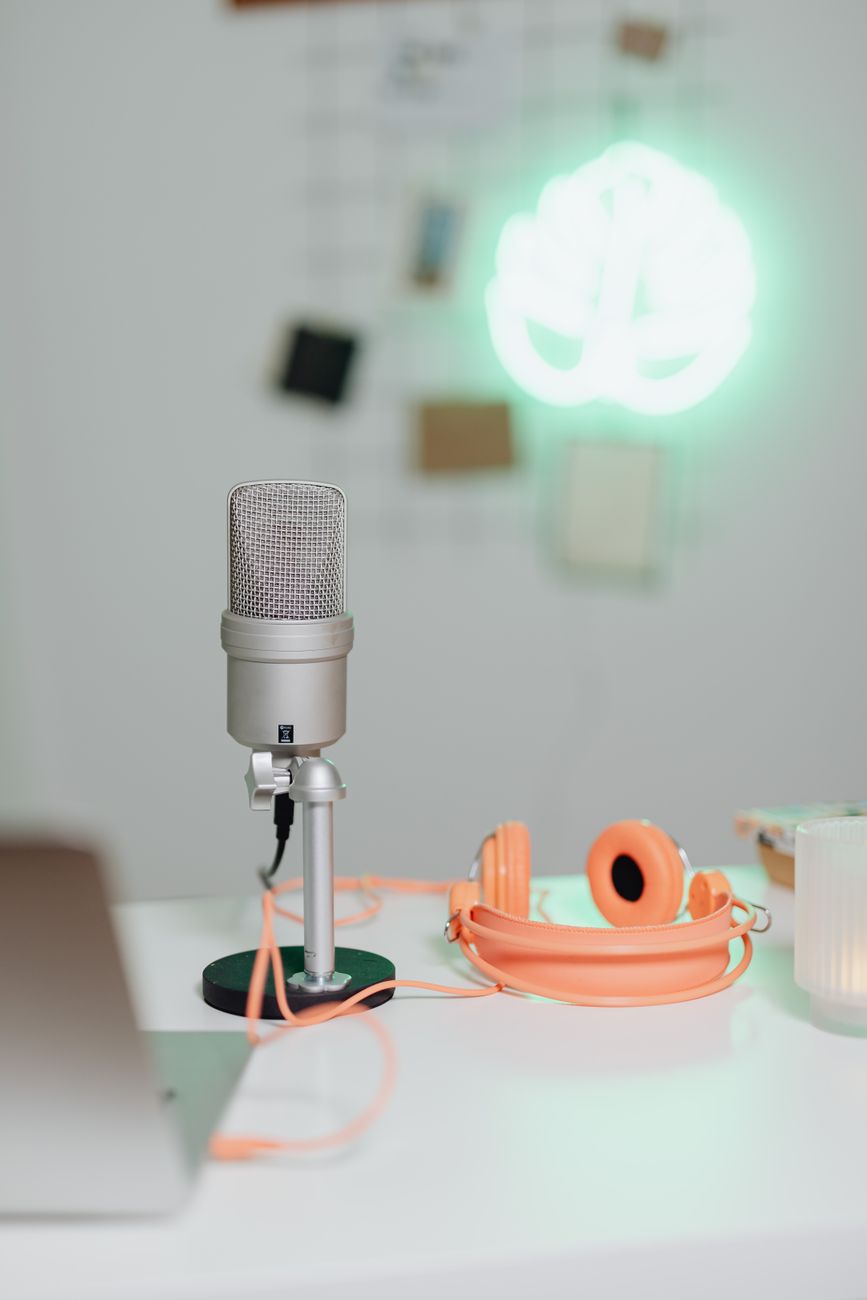
Brands pour almost all of their identity into how they look and almost none into how they sound or feel. That is a genuine missed opportunity. Sound and touch are powerful, deeply memorable dimensions of brand experience, and because so few competitors use them with any intention, they offer both distinctiveness and a moat. A brand that engages more than the eyes is harder to forget and much harder to copy, because it occupies space in the mind that purely visual brands never reach.
Beyond the visual
A full sensory identity reaches well past the logo. Sound includes audio signatures, a recognizable brand voice, the music a brand chooses to live alongside, and the small sounds a product or app makes. Touch includes the weight and texture of packaging, the finish and feel of a product in the hand, and increasingly the subtle haptics of a digital interface. These are real channels of meaning and emotion, and most brands leave them completely silent and untouched, ceding ground they did not even realize was available.
Why senses matter
Memory is multisensory, and emotion is encoded powerfully through sound and touch in ways the eye alone cannot reach. A few notes of a familiar audio signature can summon a brand instantly, and a particular weight or texture can make a product feel unmistakably premium before a word is read. Engaging more senses deepens the impression a brand leaves and builds an emotional connection that pure visuals struggle to achieve. The senses we tend to ignore are precisely the ones that lodge most deeply in memory.
Sonic branding
Sonic branding means designing a consistent audio identity that travels across every touchpoint, so the brand sounds like itself wherever it speaks. That can include a short audio signature, a defined approach to voice and tone in spoken content, and a considered choice of music that reflects the brand’s personality. When these elements are consistent, sound becomes as recognizable as a logo, and it works in contexts where the eyes are busy elsewhere, such as audio content, video, and voice interfaces. Most brands treat sound as an afterthought, which is exactly why a brand that treats it deliberately stands out.
Tactile and haptic identity
Touch is the other neglected sense, and it carries enormous weight in how premium and considered a brand feels. The materials and finish of packaging, the heft of a product, and the texture of a surface all communicate quality and care before any rational evaluation begins. In digital products, thoughtful haptics, the small physical responses to actions, add a layer of tactile feedback that makes an interface feel crafted rather than generic. Designing for touch tells customers that the brand cares about the full experience, not just the part that photographs well.
Where to start
You do not need to engage every sense at once, and attempting to would likely produce something incoherent. Instead, define a sensory identity that extends beyond the logo: how the brand sounds, what it feels like, and how those qualities stay consistent across experiences. Pick one underused sense and design it with the same intention you already bring to visuals. The goal is for the brand to register as a full, rounded experience rather than a flat image on a screen, because the brands people remember most are the ones they have heard and held, not only seen.

